CHINA’S FIVE-YEAR MASTER PLAN TO TRANSFORM TIBET 2026-2030 part 2:
ACCELERATING TIBET MEAT MACHINE
Efficiency and productivity are at the heart of China’s Five Year Plan to accelerate the depopulation of rural Tibet, partly to make way for the solar arrays, hilltop wind turbines, hydro dams and pumped hydro in the valleys, on a scale that can requisition much of the existing production landscapes of Tibet for nation-building infrastructure.
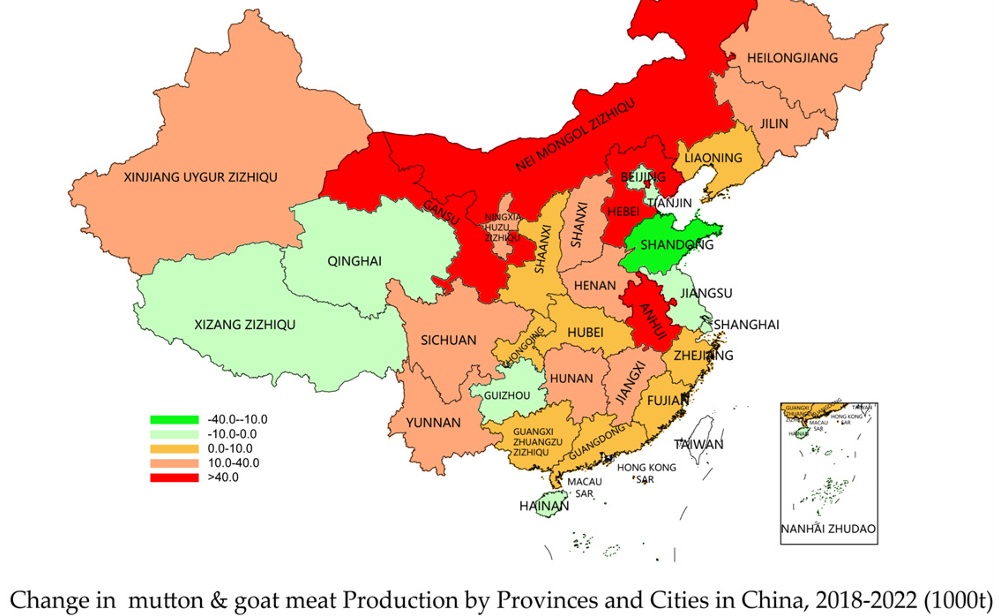
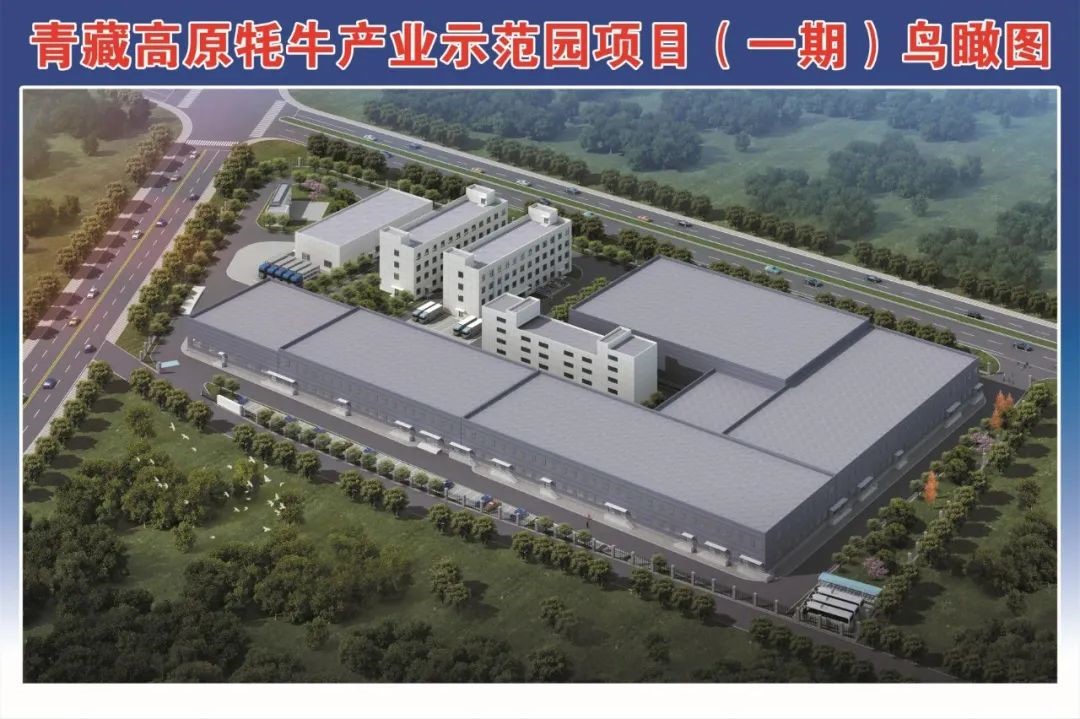
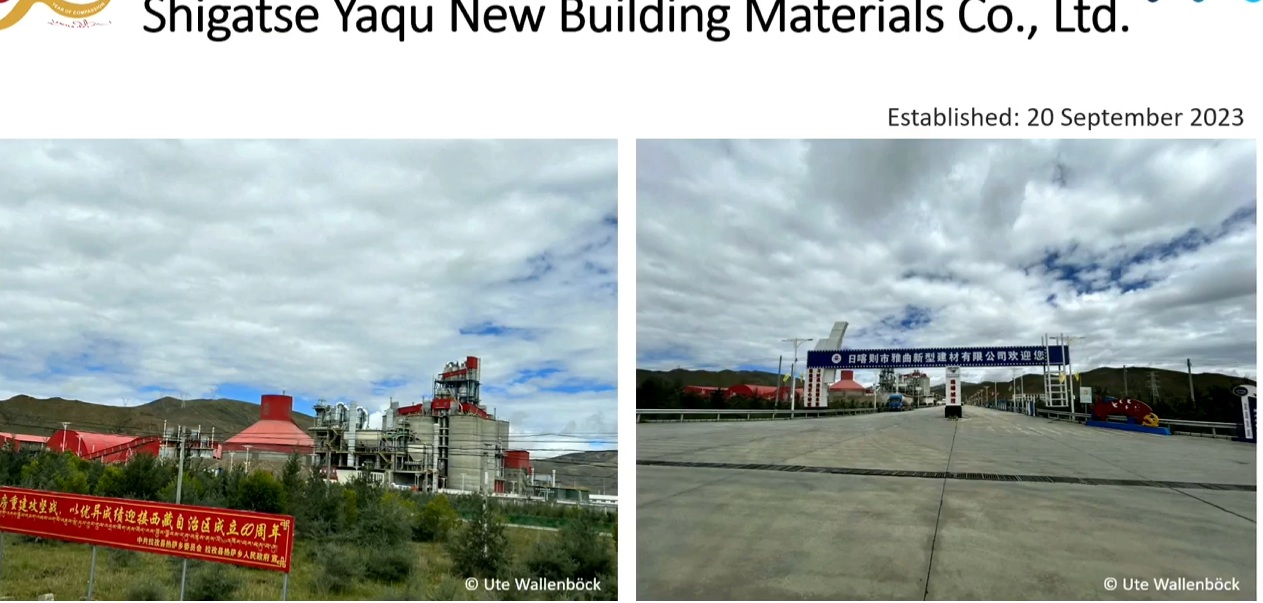
But the biggest reason for speeding up the displacement of rural Tibetans is the recent decision by top leaders to agglomerate landscapes into concentrated holdings big enough to attract investment by China’s financial capitalism in industrial parks that en masse fatten, slaughter and flow yak and sheep meat along cold chains to the newly wealthy big cities, attracting fat profits.
https://www.xzxw.com/zw/qwfb/2026-02/14/content_6762610.html
“Building a Modern Logistics Network on the Plateau: We will address the shortcomings in logistics facilities in agricultural and pastoral areas, and integrate into the modern logistics operation system of “channels + hubs + networks.” We will continue to promote the construction of national logistics hubs in Lhasa (land port type) and Shigatse Kyirong land border port, accelerate the development of Lhoka/Shannan airport national logistics hubs, and enhance the hub’s radiation capacity. We will strengthen the construction of the Lhasa National Backbone Cold Chain Logistics Base and the production and sales cold chain distribution centre, address the shortcomings in front-end and back-end cold chain logistics facilities, and form a highly efficient three-tiered cold chain logistics network covering the entire region.”
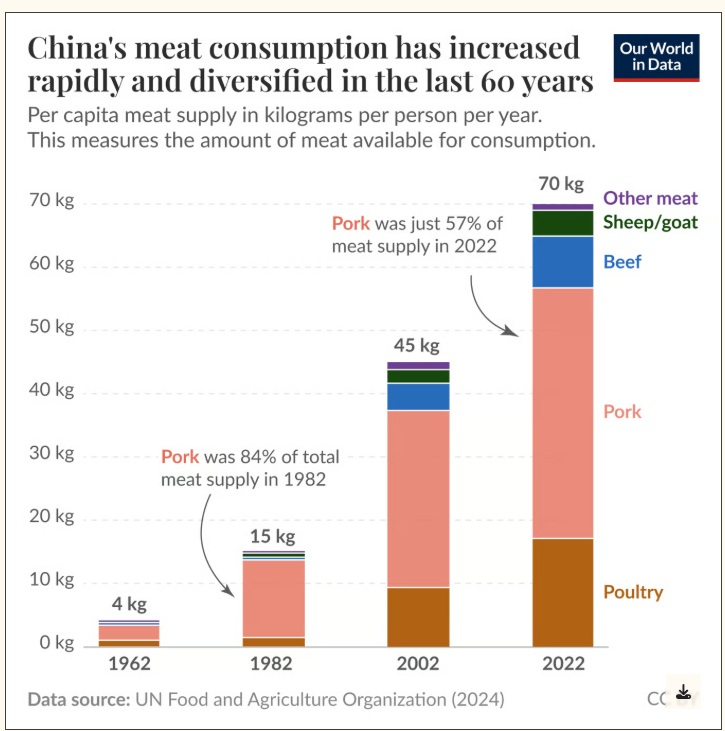
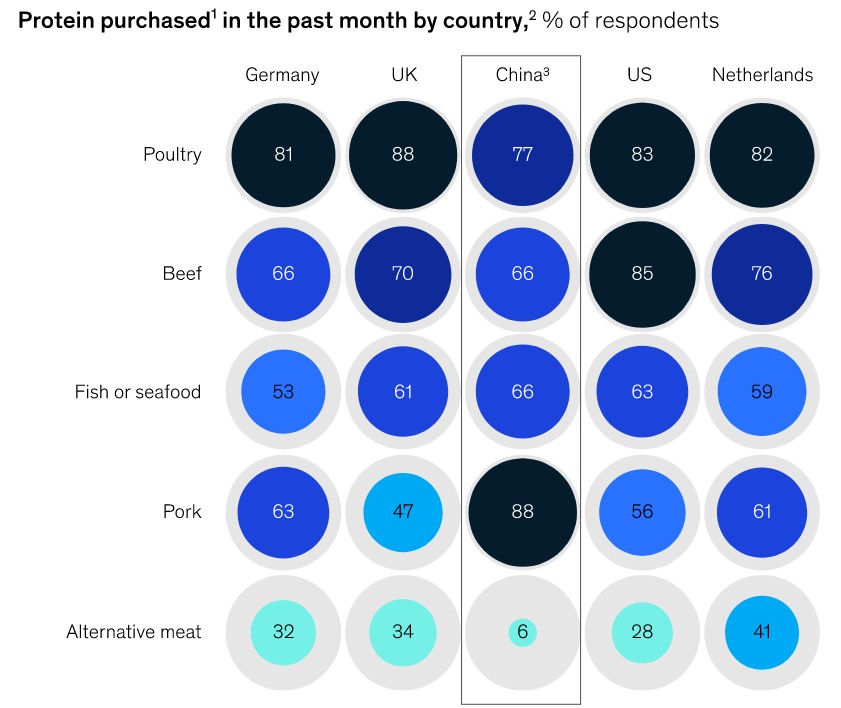
This part of the TAR 15th Plan comes with the promise of subsidies: “Implement the Western Region’s encouraged industry catalogue and various national fiscal, tax, and financial preferential policies, and improve comprehensive support policies for plateau-characteristic industries. Actively seek development and policy-based financial support, encourage commercial banks to increase lending, develop financial products and services with Tibetan characteristics. Provide financial subsidies for the transportation costs of locally processed products out of Tibet, enhance the ability to maintain the stability of the industrial and supply chains, and strengthen dynamic matching of supply and demand. Construct a policy environment conducive to the development of new technologies, new products, new business models, and new formats.”
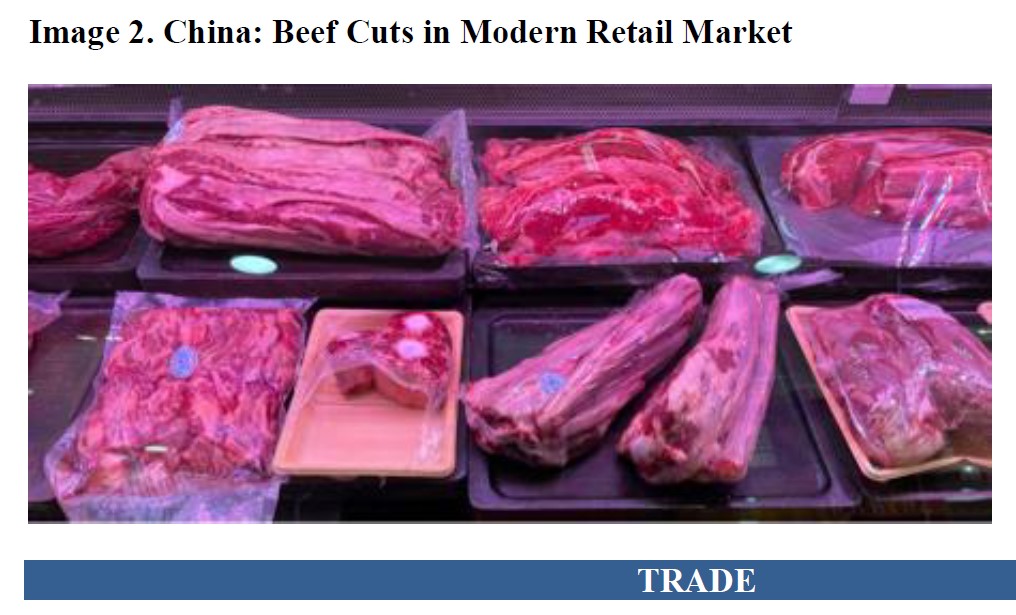
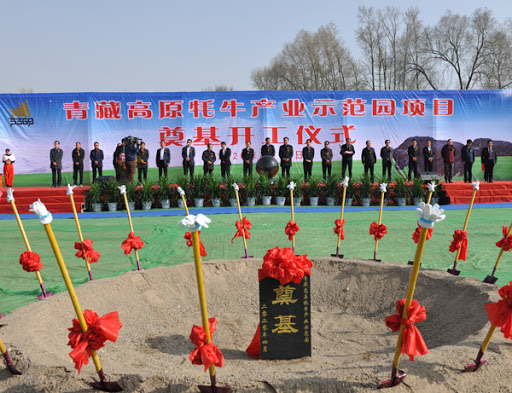
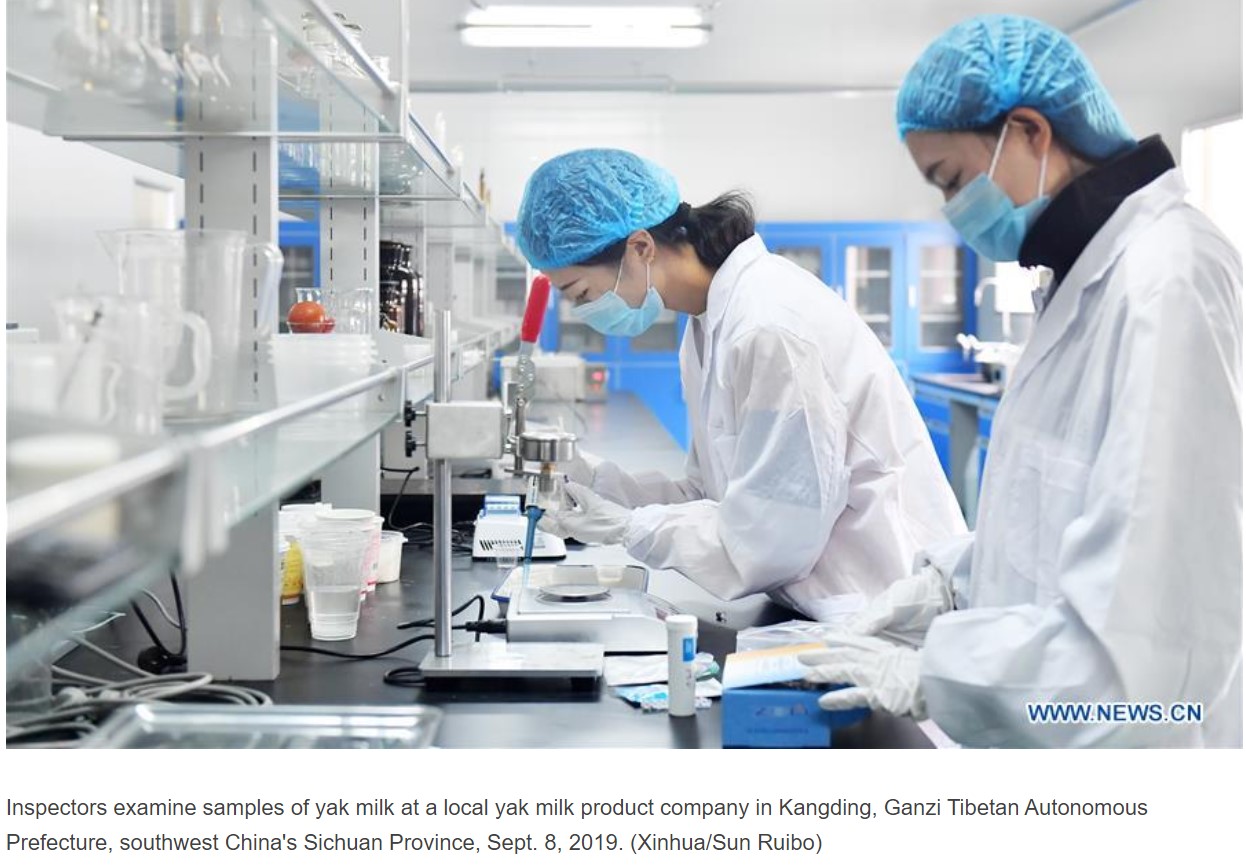
Transforming Tibet into a refrigerated commodity chain extending all the way to China’s richest consumers will require further major central investment in rail and highway corridors, and the TAR 15th Plan is explicit: “Construct a comprehensive three-dimensional transportation network with a “three horizontal and three vertical” backbone, creating a composite, high-capacity ‘cross-shaped’ main corridor composed of the Beijing-Tibet and Sichuan-Tibet corridors, and a multi-exit, multi-route ‘grid-shaped’ secondary corridor composed of the northern Sichuan-Tibet corridor, the border corridor, the Qinghai-Tibet-Yunnan corridor, and the Xinjiang-Tibet corridor, effectively improving external connectivity. Construct a multi-layered integrated transportation hub cluster, creating a core integrated transportation hub cluster between Lhasa and Lhoka/Shannan, promoting the construction of the Gongkar International Airport integrated transportation hub, and constructing integrated transportation hubs in Shigatse and Chamdo sub-centres, as well as regional integrated transportation hubs in Nyingchi, Nagchu, and Ngari. Strengthen the construction of border land port (corridor) hubs.”
Arguably, not all of this is new. Not only has China spent decades building and then upgrading highways and railways into Tibet, past Five Year Plans have consistently called for greater efficiency, productivity, demonstration industrial parks, and new pillar industries. In reality many of these projects were slow to build, often with construction restricted to the warmer months. But this plan goes further, literally, in announcing “a comprehensive three-dimensional transportation network… , and a multi-exit, multi-route “grid-shaped” secondary corridor” that not only locks Tibet into China but opens it out towards Belt and Road markets.
PLACING THE DISPLACED, VISIBLE TO STATE SCRUTINY
What is the role of Tibetans in these grand plans? Basically, it is to get out of the way, by being relocated to the new, prefabricated frontier villages, and to county towns, but not to cities, where crowds could grow dangerously large.1959, 1987, 2008 Tibetan uprisings.
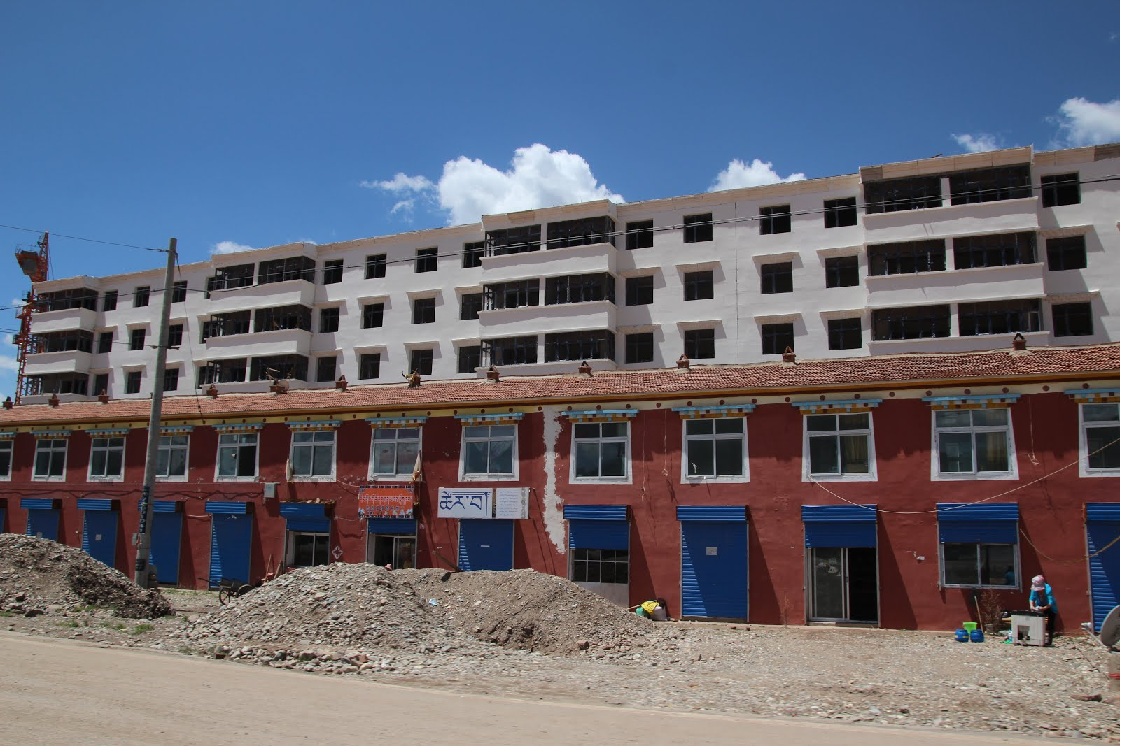
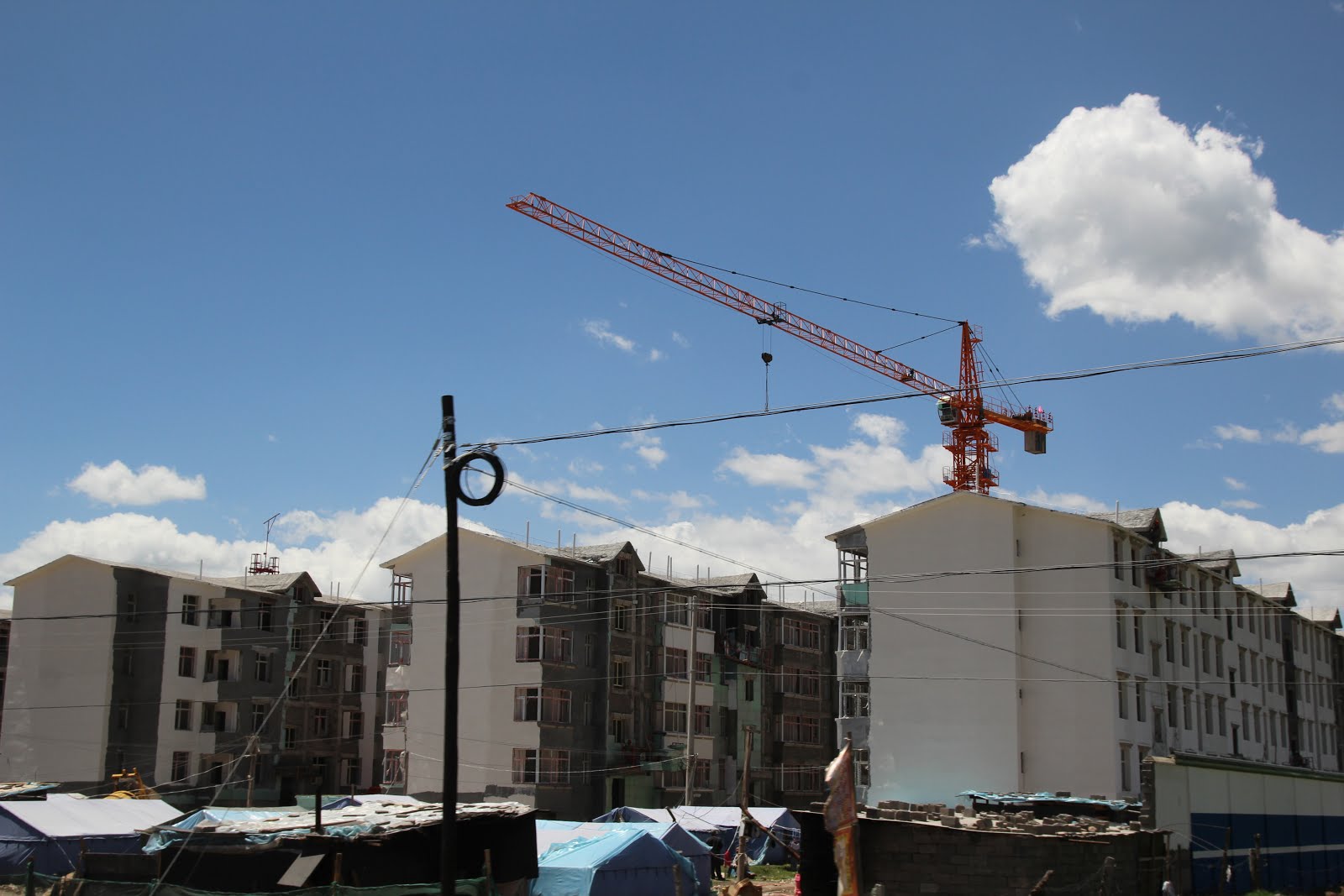
Systematic displacement is all part of the plan. One section of TAR 15 FYP is “Enhancing the Quality of Urban Integration for Migrants from Agriculture and Animal Husbandry 第二节 提升农牧业转移人口市民化质量.
https://www.xzxw.com/zw/qwfb/2026-02/14/content_6762610.html
The 15th Plan explains: “Adhering to the principle of simultaneously stationing troops and ensuring the safety of the people, and prioritizing both border security and development, we will focus on addressing the urgent needs of border security and the pressing expectations of border residents.”
“We will further deepen the reform of the household registration system, implement a system of registering household registration at the place of habitual residence, fully liberalize the settlement policies in county towns and established townships, relax the conditions for establishing collective households, and optimize the household registration migration process. We will promote a system where basic public services are provided based on household registration at the place of habitual residence, and promote full coverage of basic public services for the permanent residents in urban areas. We will improve the social security system for flexible employment personnel, agriculture and animal husbandry migrant workers, and personnel in new employment forms, and orderly promote the application for minimum living allowances by residence permit holders at their place of habitual residence. We will improve and refine the incentive mechanism for the urbanization of migrants from agriculture and animal husbandry, the mechanism linking the increase in urban construction land with the number of migrants from agriculture and animal husbandry settling in urban areas, and explore a “money follows the person” mechanism.
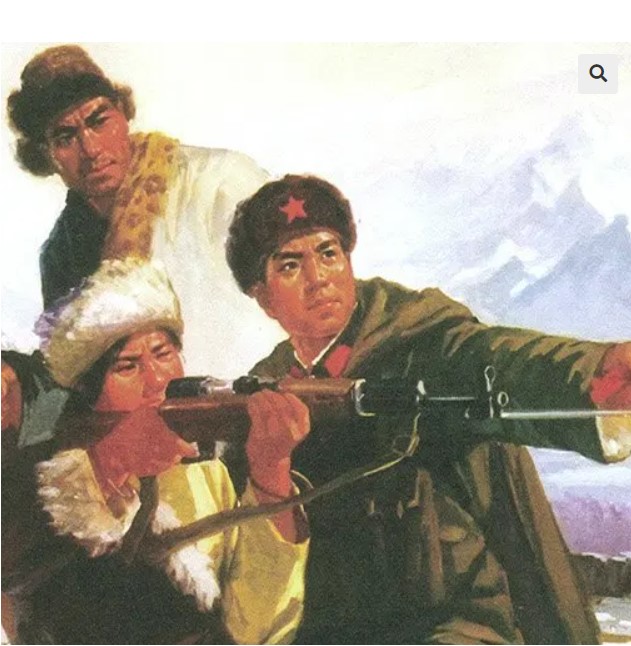
“Strengthen border population monitoring and trend analysis, improve supporting measures for childbirth, fully liberalize settlement restrictions in border areas, and promote long-term balanced population development. Construct a border characteristic industrial belt integrating border ports, agricultural and pastoral production areas, industrial parks, and tourist attractions to enhance the self-development capabilities of border areas. Actively construct the Purang Border Tourism Experimental Zone, plan and develop tourism routes such as patriotic border defense tours and mountain trekking tours, and enrich the supply of border tourism and cross-border tourism products. Improve the mechanism for joint border defense by the Party, government, military, police, and civilians to ensure border security and stability. 完善党政军警民合力强边固防机制,确保边防巩固、边境安全”
INTENSIFYING SCRUTINY
These policies are not all new. They further elaborate the web of regulations governing the pastoralists of Tibet, where they live, where after displacement they are demobilised, required to stay permanently in the new frontier villages, neither moving into cities nor returning to their pastures. If they stay in their new frontier villages, all their customary skills suddenly useless, their rigid household residential registration enables them to receive transfer payments, a minimal subsistence ration that keeps them, bereft of livelihood, in place.
China’s Training and Labour Transfer Action Plan calls for systematic training and transfer of “rural surplus labourers.” According to UN Special Rapporteurs “These policies justify coercive methods such as military-style vocational training methods. The number of Tibetans affected by labour transfers in 2024 are estimated to be close to 650,000.”
“Tibetans are also reportedly displaced through the “whole-village relocation” programme which applies coercion to manufacture consent, such as repeated home visits, implicit threats of punishment, banning of criticism, or threats of cutting essential home services.
“Between 2000 and 2025 some 3.36 million Tibetans have been affected by government programmes requiring them to rebuild their house for nomads to become sedentary, whilst official statistics say that around 930,000 rural Tibetans have been relocated through either whole village relocation or individual household relocations,” UN experts said.
DISPLACED AND DEMOBILISED, MORE PASTURES TO BE MOBILISED FOR INVESTORS
Despite decades of ongoing displacement, there are still many Tibetan pastoralists on their lands, skilfully managing both productivity and sustainable grazing that does not damage grasslands. Many have been partially demobilised by the requirement to live year round in a permanent house in the winter pastures, with limited access to summer pastures above. Although China boasts of housing “nomads”, many of the 930,000 had to borrow money to pay for the build, while restrictions ion mobility and herd size restricted their capacity to repay bank loans.
The 15th Five Year Plan, while persisting in regulating exactly how and where displaced pastoralists must settle, also has major new interventions planned for those who remain on their lands. In the name of efficiency, scale, productivity and attracting investors local knowledge and customary rangeland management will be displaced by ranching, similar to the way cattle are fattened in capitalist lands such as US and Australia. This transition from small to large scale, from herders with intimate knowledge of their herds to industrial scale, will greatly reduce the number of Tibetans on the land, as capital and technology replace human labour.
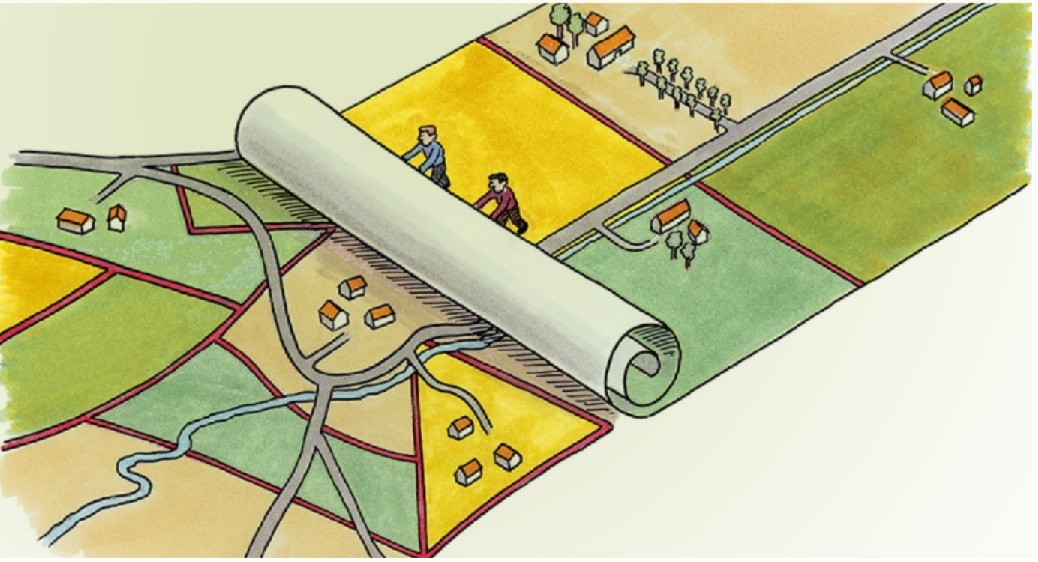
Under the heading “Promote Integrated Urban-Rural Development” the central Tibet 2026-2030 Five Year Plan announces a major policy shift: “improve the ‘separation of land ownership rights from land use rights[1] and land management rights’ system for rural contracted land, further liberalize the management rights of contracted land, improve the reasonable, standardized, and diversified guarantee mechanism for farmers and herdsmen whose land is expropriated, and improve the secondary market for land leasing, transfer, and mortgage. Accelerate the confirmation and issuance of certificates for homesteads that integrate housing and land, and comprehensively promote the joint review and processing of homesteads and farmers’ housing construction. Establish a unified urban and rural construction land market, steadily promote the entry of rural collective commercial construction land into the market.”
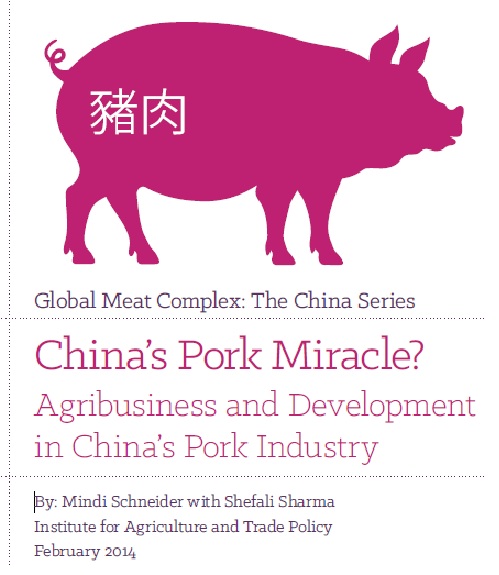
The rights of outside investors gaining long term rights to large landscapes will cancel the land tenure rights of existing pastoralists, who will then have to choose to stay on the land as wage labourers, or emigrate. Property rights of city dwellers are now being extended to the countryside. Land becomes a tradeable commodity, an asset class whose fungible monetised valuation depends on proximity to feedlot fattening operations, industrial scale slaughter houses, and access to cold chain logistics that quickly move frozen meat, by road, rail or air, to distant cities with a rising appetite for meat.
There is now a complex regulatory monitoring bureaucracy to measure compliance with this Five Year Plan to extract Tibet’s productivity, especially cold chain logistics.
In theory, the landscapes curated by Tibetan pastoralists for generations remain theirs, even if a Chinese entrepreneur buys land use rights and management rights for decades, builds an intensive feedlot and industrial park on those lands, investing in accelerating slaughter rates. In practice, this is an irreversible requisitioning of the lands of Tibet. It is hard to imagine a Tibetan “nomad” decades later successfully asserting his or her legal land tenure rights, and the return of those lands to family rangeland pasturage.
Land becomes a play, a gamble investors make on capital valuation rising, even when land quality deteriorates because so many animals are crowded into fattening feedlots, their wastes pollute. Tibetans who leased land to immigrant Han Chinese vegetable growers near Lhasa discovered, when leases expired, the land returned to them was depleted, nutrients in the soil were exhausted.
But China plans to intensify output, and has opted for multiplying rights to land, a capitalist invention of the 1980sl.[2]
A 2026 critique of China’s policy of “mobilising” land: “For decades, top leaders believed ensuring China’s food security required getting a massive number of tiny smallholder farmers to grow enough grain. To get there, Beijing relied on a combination of subsidized inputs, guaranteed prices, and subsidized insurance to absorb downside risk and entice farmers into planting staples. Top leaders viewed production as dependent on these incentives. This structural shift points to a new, more industrial vision of agricultural production, and by extension, food security: Agricultural production has been reframed as an industry like any other, shaped by capital, technology, and infrastructure, with a focus on increasing production capacity and efficiency. But the reconceptualization of farming as an industry like any other will enable working-level officials to reshape how farms are operated in pursuit of Beijing’s 10-year goal of becoming an agricultural superpower.”
The TAR 15th Plan also plans to: “Accelerate the construction of county-level commercial and trade circulation centres, promote the extension of large supermarkets and chain convenience stores to townships, and build a commercial and trade circulation network covering counties, townships, and villages.”
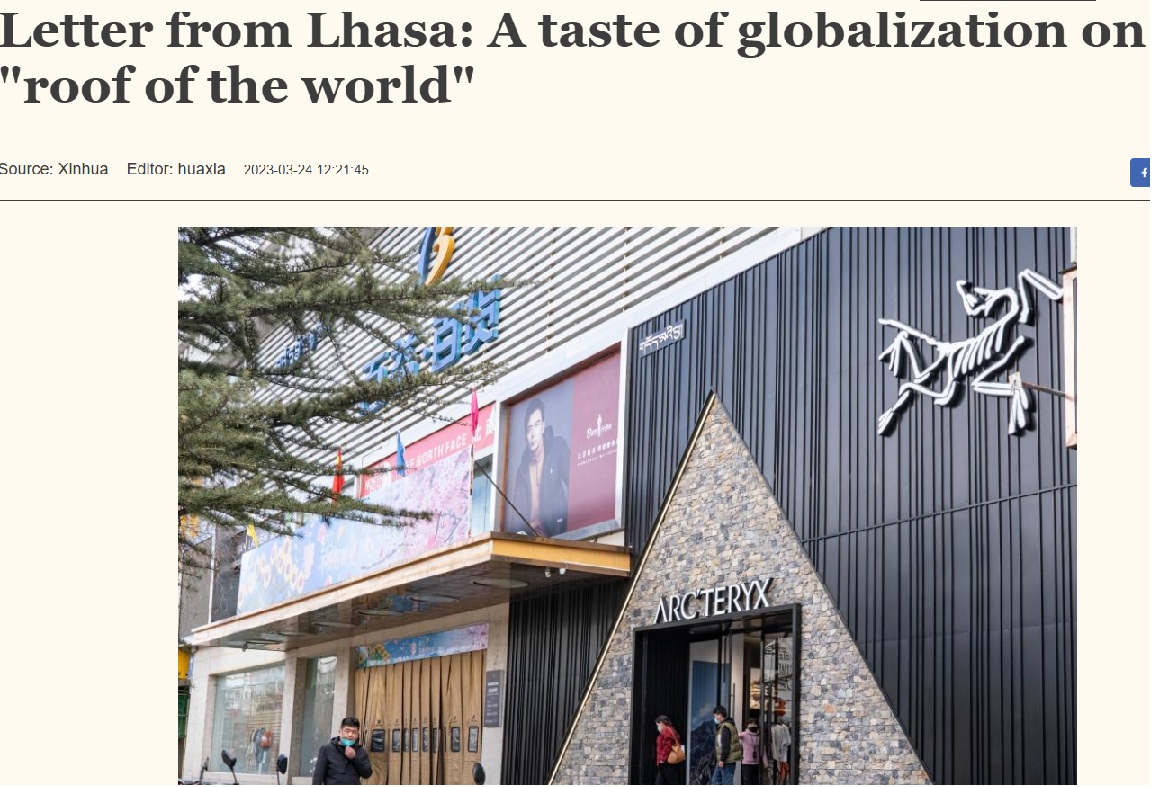
THREE DECADES OF SCALE AND AMBITION
To put the new Five Year Plan in perspective, we could wind back three decades, comparing China’s 1997 plans for Tibet, including its rhetorical definitions of Tibet, in a mid year between Tibetan uprisings of 1987 and 2008, a year all officially was going well.
What is striking is that over three decades China’s patronising legislative voice has changed little, but the scale of infrastructure investment has grown dramatically.
1997 was a year in which China hoped to attract international investors, encouraged by the active engagement in Tibet of global institutions such as World Bank, UN International Fund for Agricultural Development, European Union and a host of NGOs from around the world. They were all on the ground, doing development work, with China’s permission and often partnership. UN Food and Agriculture Organisation was assisting Amdo/Qinghai in trying to grow salmon on industrial scale in the waters of the new Longyangxia hydro dam lake on the Ma Chu/Yellow River.
Tibet in 1997 was alive with new ideas, new international partners, innovations and experiments, so much so Xinhua in April 1997 celebrated 10 years of the Tibet Development Foundation established in 1987 by the 10th Panchen Lama, resulting in “more than 350 aid projects… to develop the economy, culture, education, public health, science and technology, environmental protection, social welfare and other undertakings” throughout the Tibetan Plateau. “It has worked vigorously to obtain assistance gratis from international nongovernmental organisations and groups and individuals, taking into consideration the real needs of Tibet.”[3]
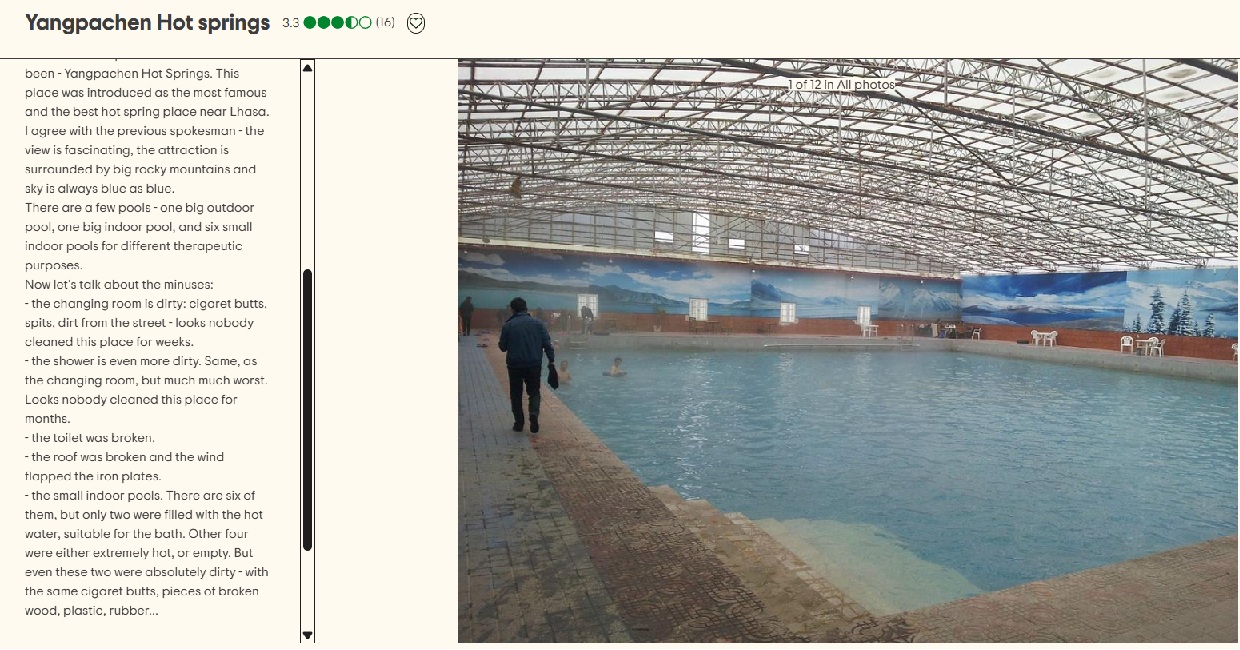
China Daily, the prime English language official media, on 19 August 1997 published a long list of Tibet Autonomous Region projects seeking foreign capital. A few, beginning with the most expensive: Zhonghe Grand Hotel, RMB 200 million; Tie Ben Gang Hotel, Big Buddha Holiday Inn, Yangpachen Hot Spring Holiday Inn, “new make-fortune comprehensive entity [casino?] of Luo Kang Sa village in Cai Gong Tang Town”.
Intensifying animal production and slaughter added nine projects to the list, including “Domestic animal slaughter house in Lhasa”, “Meat production processing plant in Lhasa Industrial Park” seeking RMB 24 million, plus RMB 20 million for an adjacent tannery. Also on the list: pig farm in Nyemo, not far from Lhasa.
Entrepreneurial Damshung county lists 11 projects available for investors, including a “Cattle and sheep fattening base” and “Namtso Lake fish resources development”, competing with Chushul county’s “Chabalang Fish Farm”.
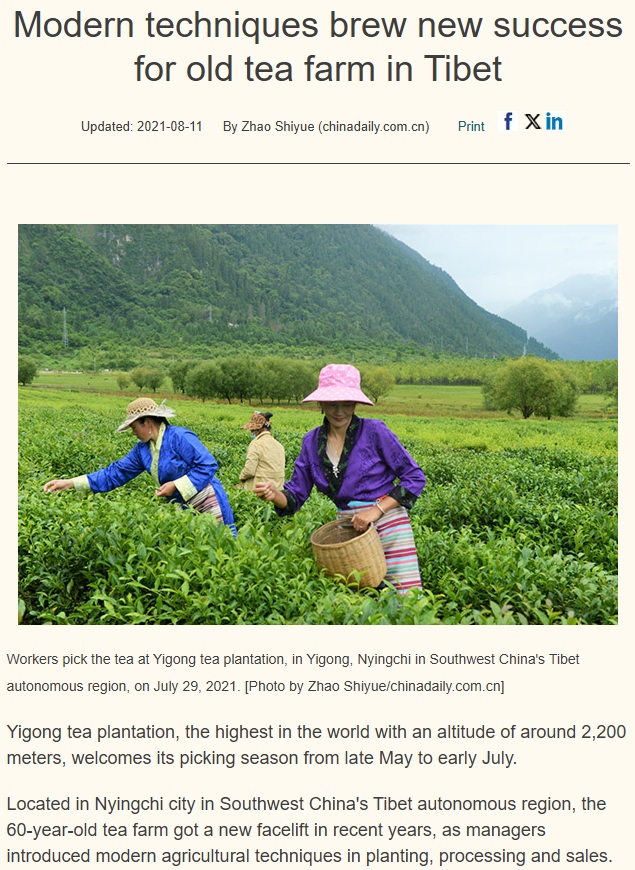
In 1997 logging of the forests of eastern Tibet was a major industry, suddenly halted a year later after disastrous floods on the mid Yangtze made much worse by decades of rapacious logging upriver in Tibet. “Economic forest production base of Quxu [Chushul] county” was in the market for funding, as was “Tibetan Paper Processing Factory” in Nyemo.
The biggest ticket items were hotels and six proposed mines.
Very little of these were built, even though China Daily makes it clear many would allow sole foreign ownership. Not only did global capital flows not come to Tibet, not even Hong Kong investors could be persuaded.
The point of this backstory is not what got built but the priorities of what constitutes development with Chinese characteristics, a list that has not changed much in 30 years, other than dropping the chain sawing of forests. What has changed dramatically, as China has gotten richer, is the scale of such projects.
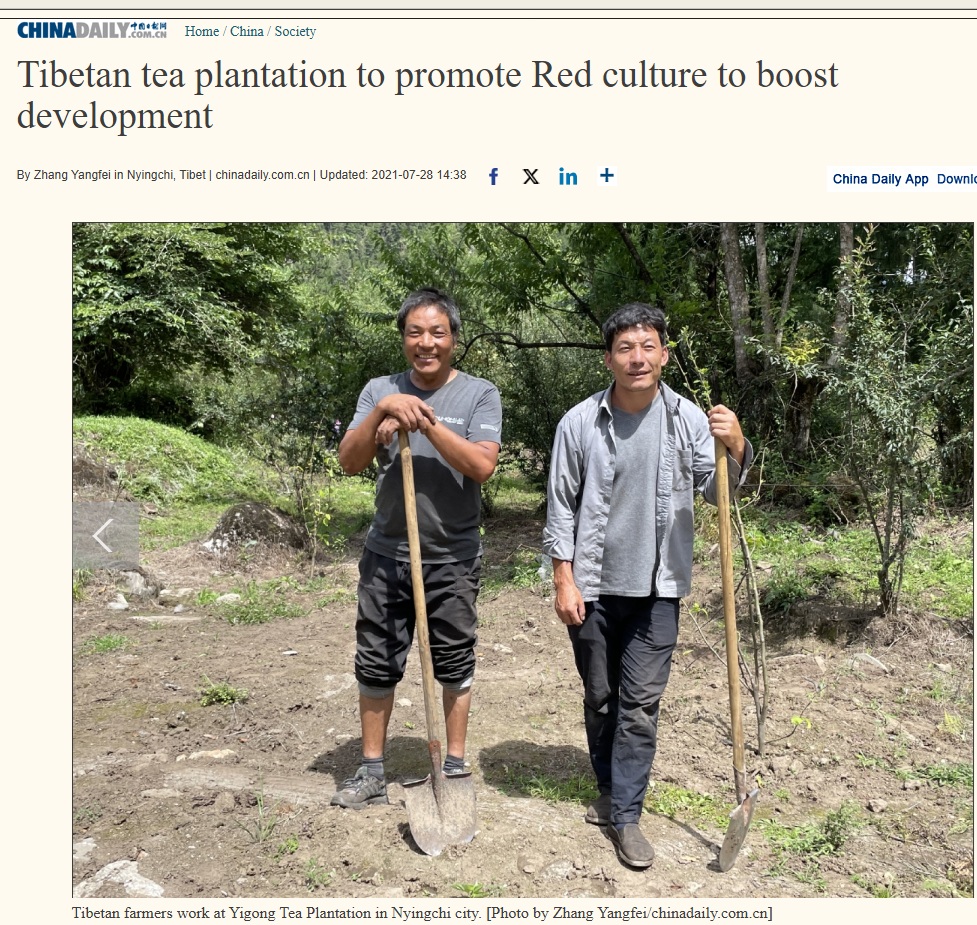
What has also changed little is the routine labelling of Tibetans as backward, unproductive and primitive, in need of blood transfusions from the superior Han. In September 1997 the most senior Tibetan official in Lhasa told a visiting leader of wealthy Jiangsu: “officials from other parts of China have helped with the local economy ‘the fresh blood’ of the region’s development.”[4] Reversing direction of blood flow will be just in time, as China forecasts a big shortfall in blood supply by the time the Yarlung Tsangpo mega hydro starts pumping.[5]
Xinhua also reported “the state’s reinforced assistance to Tibet’s construction has brought about noticeable improvements in its backward energy, transportation and communications infrastructure facilities.” [6] Days later Xinhua reported “Tibet Autonomous Region’s economy formerly relied solely on agriculture and animal breeding, and was marked by a low level of productivity.”[7]
Months later Xinhua quotes researcher Li Tao[8]: “Tibetans incomes have increased and they have more dynamic thoughts on their minds. Not long ago Tibetan farmers would throw chemical fertilisers into rivers, because gods and nature were the only thing they worshipped. Now what they care about most is how to get enough chemical fertiliser to increase their crop output.”[9] Xinhua adds: “Tibet is casting off its image as a conservative and isolated land, becoming more open, and change is important for the region, which was still a society of serfs half a century ago.”
Strikingly little of this racist contempt has changed, over seven decades of Chinese occupation. In the growing propaganda for the Yarlung Tsangpo mega hydro build, the same insulting metaphors repeat.
Today’s propaganda is fond of the old blood libel that the Tibetans, until liberated by the invading Peoples Liberation Army, were weak, feeble, anaemic, poor blood, liable to die out. Self-evident proof that Tibet urgently needed a blood transfusion from the Han was the number of monks, who failed to make babies.
Now that trope has not only returned, it leads to a happy ending. In the latest telling Tibet is at last capable of expressing due gratitude for liberation, by transitioning from blood deficiency to generating so much new blood, in the hydro dams, that it will energise China. Tibet’s accumulated blood debt will be paid off, with interest, by the Yarlung Tsangpo mega project. All those years of kindly transfusing Chinese blood into Tibet will finally pay off. The meme comes full circle. The circle is created by China pushing Tibet’s waters through turbines to make the blood pushed via Tibetan copper wires to strengthen the distant cities where the next oppressive tech is built.
Accelerating eastern TAR into China is just one part of a huge agenda, we could go on and on. Bottom line: China is now confident it has a master plan to transform Tibet into a China clone, creating a profitable extraction economy with sufficient ongoing energy to transition the Tibetan population into modernity with Chinese characteristics.
After eight decades of failing to invest in the traditional Tibetan mode of production, with its marketable surpluses of butter and wool, China is now imposing from above an economy of consolidation, intensification, acceleration and consumption, in which Tibetans remain marginal, except as consumers of what “the world’s most complete industrial system” can manufacture -from commodities extracted from Tibet- to the demobilised, disempowered Tibetans.
WHAT ABOUT HUMAN RIGHTS?
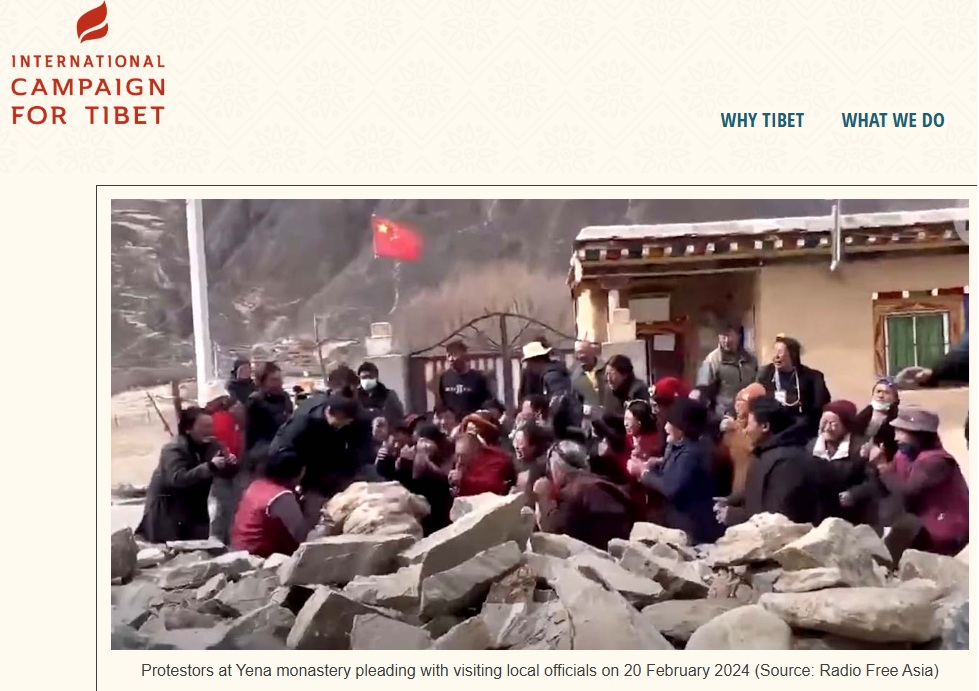
In the sporadic news from Tibet in global media, we hear of a dam here, a solar array there, a protest by villagers at being displaced and their temple demolished. We hear of community schools created by Tibetans being shuttered. What we don’t get to hear is how all are part of a coherent strategy designed by top level central planners to make Tibet Chinese, far more than ever, which requires hunting most Tibetans out of the way.
All of this can be found in the TAR 15th Five Year Plan, although there are few numbers attached to the targets, suggesting not all will be wholly implemented in these five years. Nonetheless the great acceleration has arrived, and the sum is greater than the parts.
Almost none of this is evident in storying Tibet in a human rights frame. Tibet in exile has excellent human rights monitors and advocates, but their output usually focuses on isolated local protests inside Tibet, repressed by beatings and jailings, after the event. Such coverage looks back at what happens to individuals, no looking ahead to what China’s top level designers are openly planning. Media coverage of the protests in Tibet is, in these tumultuous and easily distracted times, fitful, fleeting, quickly lost in the torrent of the latest truths and lies. Although the Tibetan monitors are highly professional, their presence in the public sphere is marginal.
Unfortunately, Central Tibetan Administration in Dharamsala adheres to human rights as the sole focus of advocacy, and encourages the voluntary Tibet action groups (VTAG) to stick with the dwindling audience of HR professionals, long sidelined from influence in the real world. The February 2026 Geneva gathering convened by CTA engaged few new recruits to the Tibet cause.
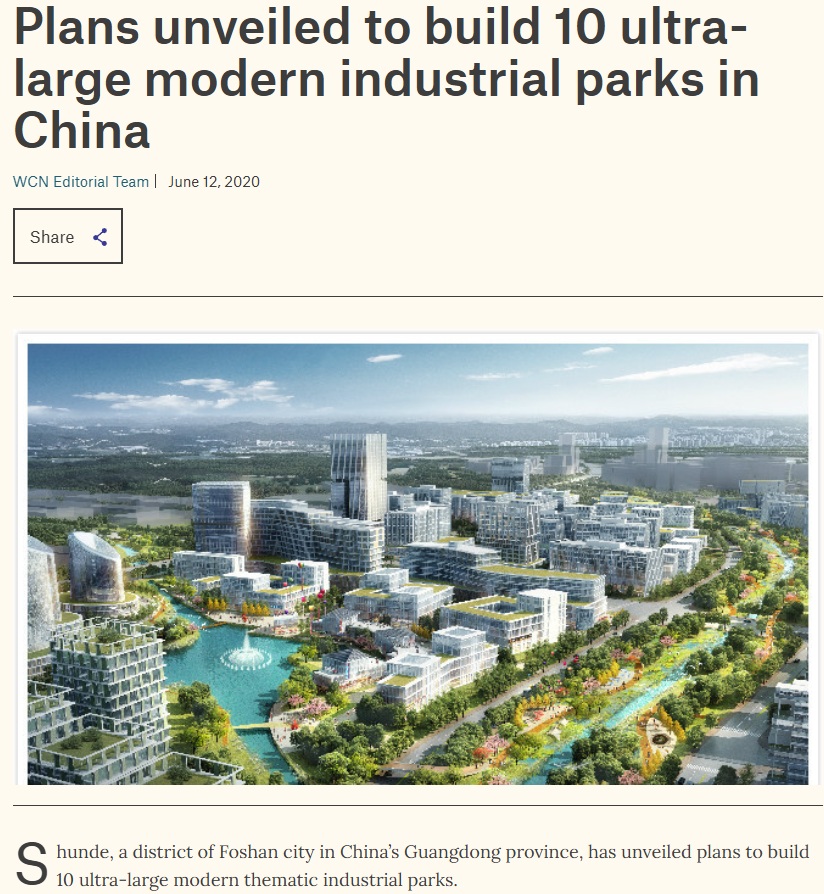
Unless we engage with those grand Chinese visions, Tibet remains a ghost, a footnote.
The human rights approach has focussed on “language policy” as a grievous human rights breach, splitting Tibetan families, compelling young children to learn from an early age in standard Chinese, promoted as the doorway to everything modernity can provide.
Language policy is part of a much bigger, calculated, step by step program of making Tibetans into Chinese, not only in language but in employment, economic opportunities, urban residence, outmigration to the biggest cities, and more. The Five Year Plans and many other official decrees amply document the scope of this great acceleration, catapulting Tibetans off their lands and into the gig economy of delivery driving and factory shift work. In Chinese jargon, it is an agenda of making the backward Tibetans accumulate human capital, acquiring quality (suzhi), transitioning from unproductive and passive to talented factors of production.
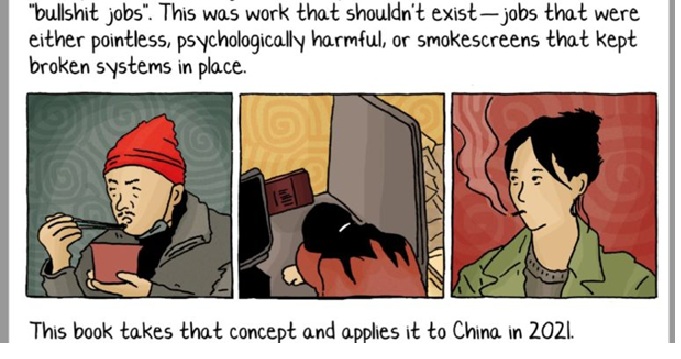
This assimilationist drive is core to the long term problems of transitioning an empire into a unitary nation-state, by transitioning Tibetans into factors of production who migrate to where the money is. It takes more than one Five Year Plan, but the direction is clear, and ever clearer when we include language policy’s emotional rupturing of families in the wider picture of a calculated, forced pace of total assimilation and cultural erasure.
So this is a plea for political economy to become an analytical approach that tells so effectively the fate of Tibet, as planned by China. Unless we know what is planned there can be no coherent response, no clarity about the role China assigns to Tibet, no assessment of the impacts or realism of those grand visions.
In the absence of Tibetans voicing distinctively Tibetan perspectives the world is increasingly fascinated by China’s messaging; that Tibet plays its part in China’s rapid, miraculous transformation into the global champion of green energy, the saviour of the planet from overheating. That is China telling its story well, 讲好中国故事a command issued by Xi Jinping years ago, unchallenged by complex truths of green colonialism now requisitioning the landscapes of Tibet.
********************
This analysis of the Tibet Autonomous Region 15th Five Year Plan was written with much assistance from Shede Dawa at Tibet Watch
[1] Jinming Yan, Subjective land ownership and the endowment effect in land markets: A case study of the farmland “three rights separation” reform in China, Land Use Policy 2020, 101(1):105137
[2] De Schutter, O. (2011). How not to think of land-grabbing: three critiques of large-scale investments in farmland. The Journal of Peasant Studies, 38(2), 249–279. https://doi.org/10.1080/03066150.2011.559008
[3] Qin Chun, Tibetan Development Foundation Marks 10th Anniversary, Xinhua, 20 April 1997.
[4] Tibet Official Briefs Jiangsu Vice Governor on Aid, Xinhua 5 September 1997
[5] Xiaochu Yu, Zixing Wang, Yubing Shen, Population-based projections of blood supply and demand, China, 2017–2036 , Bulletin of the World Health Organisation, 2020;98:10–18 | doi: http://dx.doi.org/10.2471/BLT.19.23336
[6] Party, State Support Tibet’s Economic Development, 27 March 1997
[7] Central Government Boosts Development in Tibet, Xinhua, 31 March 1997
[8]Li, Tao, ‘ An Investigation into the Process of the Modernization of Rural Economy in Lhoka & Tibet Through Study on a Local Community ’, China Tibetology, 2, 1998.
Li, Tao, ‘ An Investigation on the Change of the NaiQiong Village in Tibet Autonomous Region ’, China Tibetology, 4, 2000a.
Li Tao, Wang Chuan, Wang Jinhong and Yu Changjiang, The Research on the Rural Community Management Mode with Tibetan Characteristics—an Investigation in Tanggu Community, Tibet. Study of the Particularity of Tibetan Autonomous Region and other Tibetan Regions in China ‘s Western Development Plan (Heilongjiang’ Publishing House, 2003).
[9] Xinhua 22 August 1997