LOCKED
China’s Five-Year Plan that runs from 2026 to 2030 locks Tibet into China as never before.
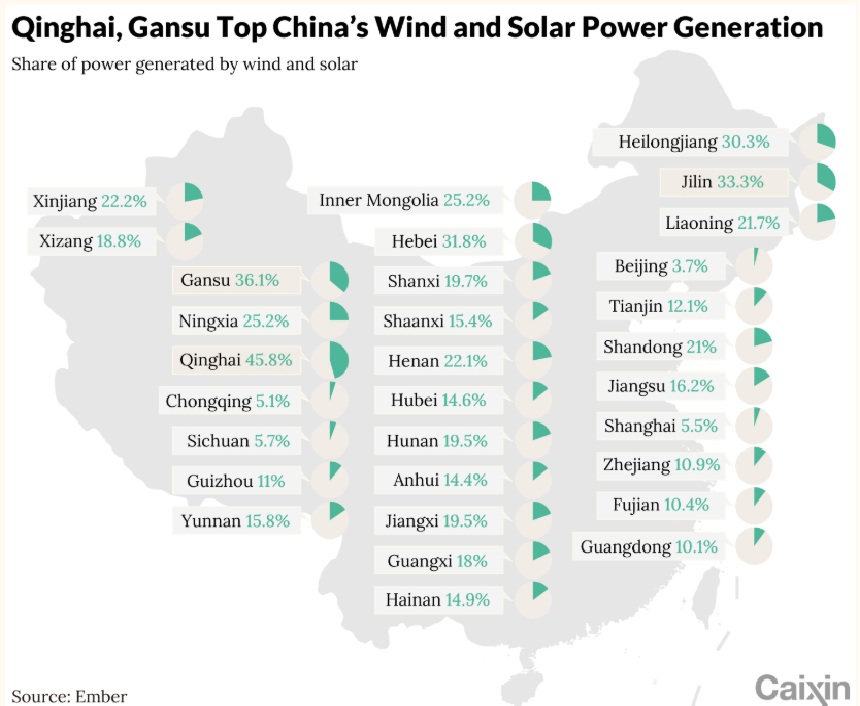
In Lhasa, in August 2025, Xi Jinping named the two biggest infrastructure projects of the coming Five-Year Plan that arterially bind Tibet to China: “We must advance the construction of major projects such as the Yarlung Tsangpo hydropower project and the Sichuan-Tibet Railway in a vigorous, orderly, and effective manner.”
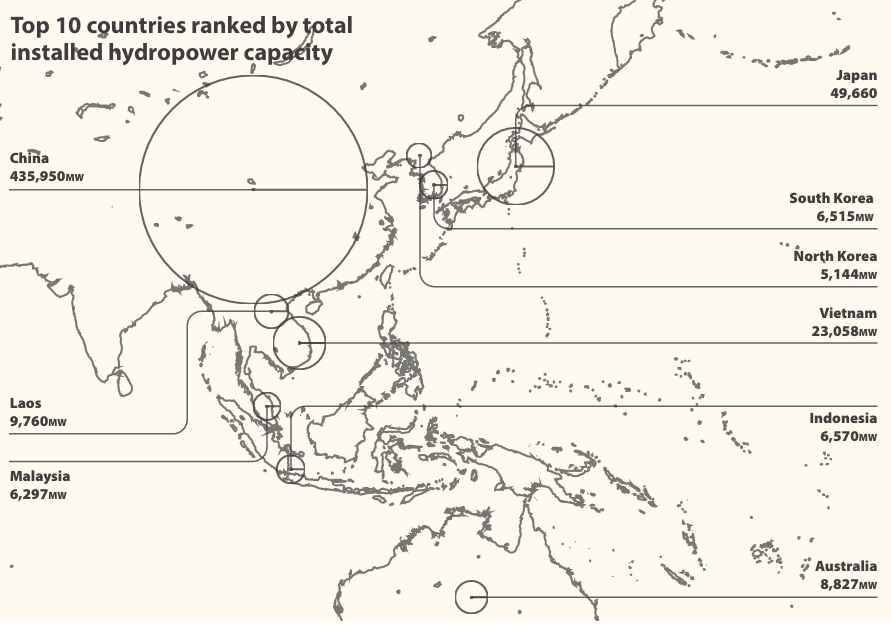
China’s party-state has seen the future, and plans accordingly. The Fourth Plenum of the Chinese Communist Party Central Committee, in October 2025, sealed the months of planning the plan, locking Tibet into a sacrifice zone of green energy sourcing, for the electricity needs of the hubs of Chinese capitalism, in far Shenzhen, Guangzhou and Hong Kong.
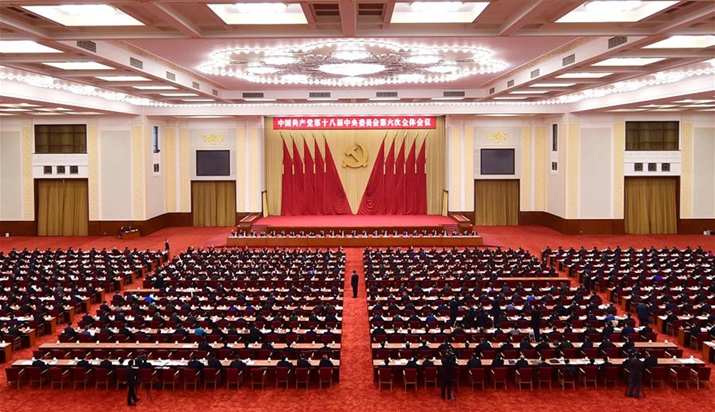
Now the 15th Plan has been formally ratified by the 205 members of the CCP Central Committee, at its October 2025 Fourth Plenum. While the Yajiang/Yarlung Tsangpo hydro mega build and the Chengdu to Lhasa high speed railway are the headliners of the 15th Plan, there are two more associated big builds on the 15th Plan to-do list: ultra-high voltage power grid extraction of energy from Chamdo and the Dri Chu/upper Yangtze connecting also to the Yarlung Tsangpo; and a high speed railway from Chengdu to Xining.
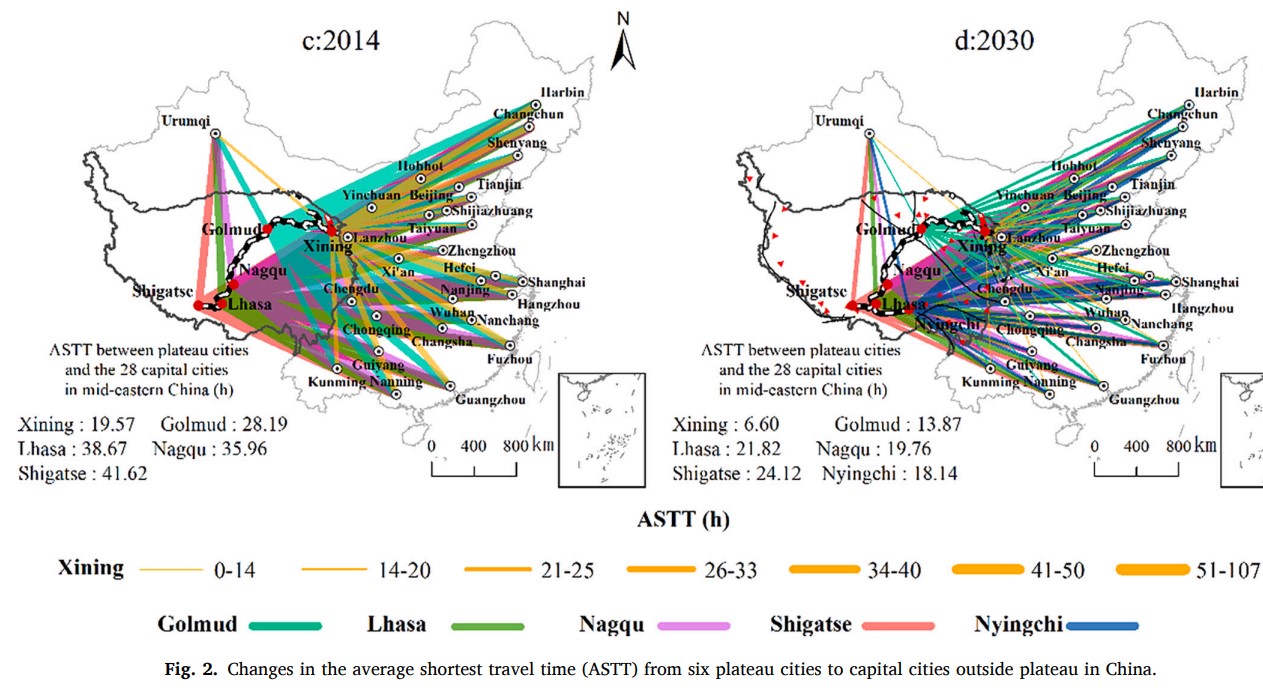
The Plan commits China to spend big on core nation-building projects in Tibet that arterially pump Tibetan resources and energy to China’s big tech factories, and pump tens of millions more Han Chinese tourists into Lhasa.
The 2025 official announcements of the Yarlung Tsangpo hydro mega project consistently named national security as the number one reason, energy security is second. Securitising Tibet is unfinished business.
Designing nation-building infrastructure mega projects that boost national security and energy security is the domain of top-level designers. These fused goals are explicit. 形成横连东西、纵贯南北、通疆达海的国民经济主动, translates as “making the main artery of the national economy connecting the east and west, the north and south, and the border with the sea.”
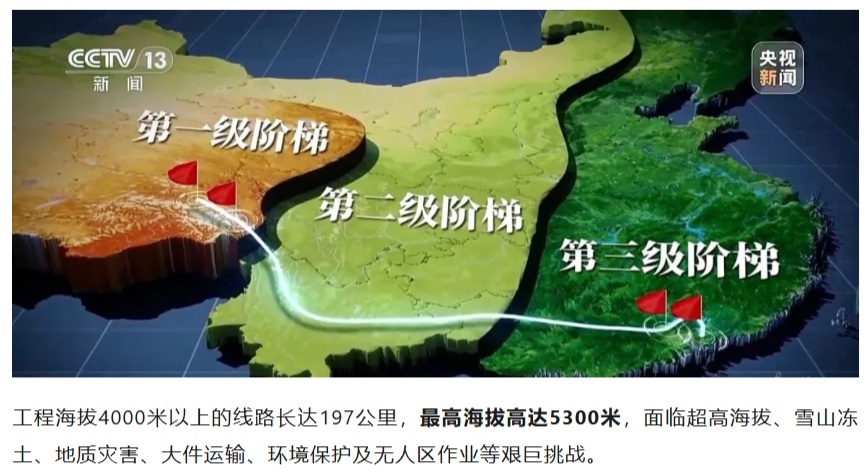
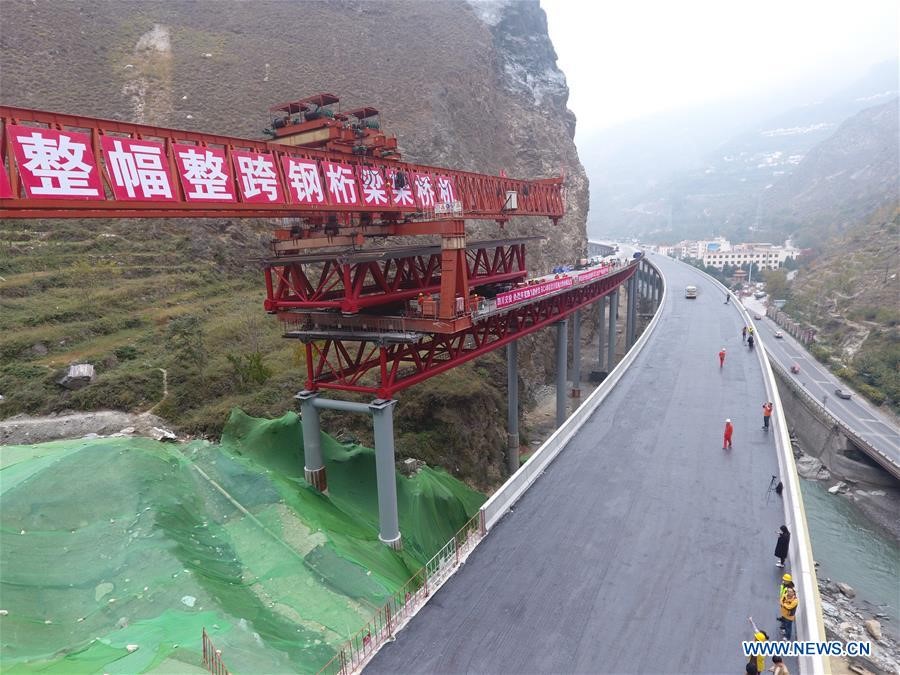
Two main arteries bind Tibet to China. The Chengdu to Lhasa high-speed twin track electrified railway, due for completion 2030, has been under construction for years. Chengdu to Lhasa in 13 hours, Beijing to Lhasa in 21 hours, will double, treble, quadruple the number of Han swarming to central Tibet. Already over 50 million tourists flood Lhasa each year.
Making the two biggest Tibetan rivers, the Yarlung Tsangpo/Brahmaputra and Dri Chu/Jinsha/Yangtze into extraction enclaves electrifying China’s east coast is the other main artery designed to lock Tibet into China.
These arteries are party-state projects in every way. Not only are they designed by central planners, and financed by the fiscal power of the ruling party-state, their nation-building purpose is sharply different to a capitalist investment strategy. The high speed railways, expressways, hydro dams, solar and wind installations and power grids that constitute the arteries are almost entirely built, owned and operated by state-owned enterprises. Not only does that guarantee centrally planned funding, it also means national security 总体国家安全观 comes before energy security 能源安全新战略, in several ways.
Energy security not only connects Tibet arterially to Shenzhen, it also locks Shenzhen to Tibet, guaranteeing a stronger role for Shenzhen high tech in Tibet. That means lithium extraction for Shenzhen-based BYD electric cars, DJI drones from Shenzhen that have greatly changed urban warfare in Gaza and Ukraine. Beijing doesn’t much worry if power grids delivering electricity out of Tibet are not highly profitable, because keeping industrial input costs low is a higher priority.

What matters is those electric tigers 电老虎that will drive China’s ever rising wealth. Even if mega projects struggle to be profitable that doesn’t much matter as long national security is installed.
New arteries pump China’s steel and cement up into Tibet, tunnelling deep and long tunnels to extract from the veins of the earth, extracting electricity from rivers, and surrounding pastures repurposed as solar and wind installation; while the deeply tunnelled railways overwhelm Tibet with an infusion of casually racist Han tourists out to enjoy the wonders of China’s far hinterland.
“Yan Zhiyong (晏志勇), the chairman of the Power Construction Corporation of China (中国电建) argued that tapping the Yarlung Tsangpo is five strategic projects in one, advancing the country’s ecological, national security, livelihood, energy, and international cooperation ambitions (HK01, February 13). This expansive framing underlines how Beijing sees the dam as a keystone investment advancing multiple core interests.”
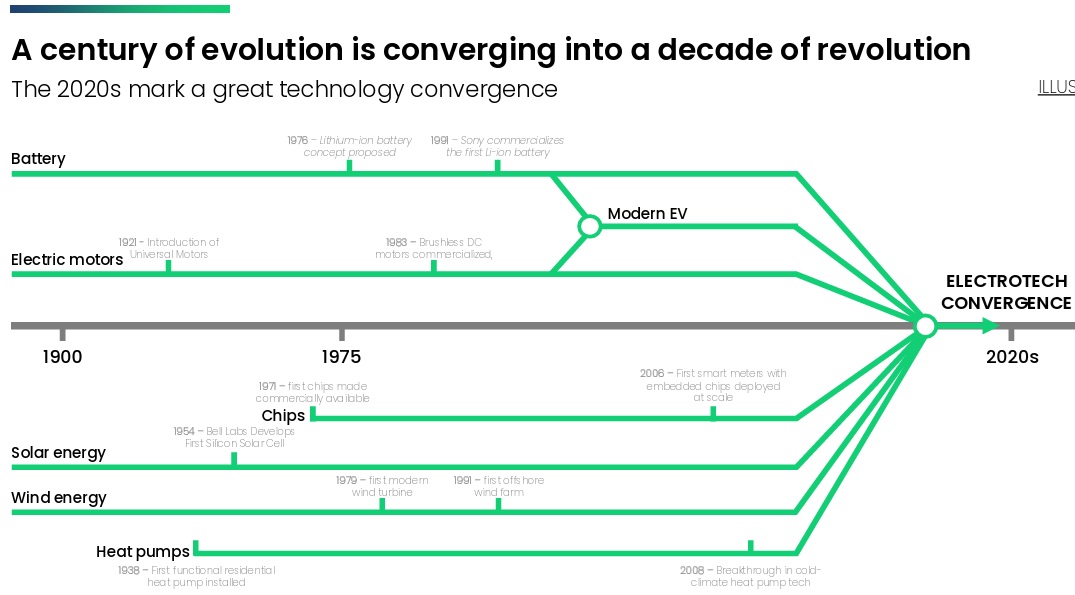
Economically, this is not development, although it will be marketed as if the Tibetans are the beneficiaries. Propaganda in official media shows sheep grazing among the solar panels, as if customary pastoral livelihoods and the new electrostate happily coexist. In reality it is cheaper to allow sheep (not goats or yaks) to cut the grass than to mow a few times each year. That doesn’t mean Tibet’s drogpa nomads will be free to maintain their extensive land use; most are shipped out to make way for the new.
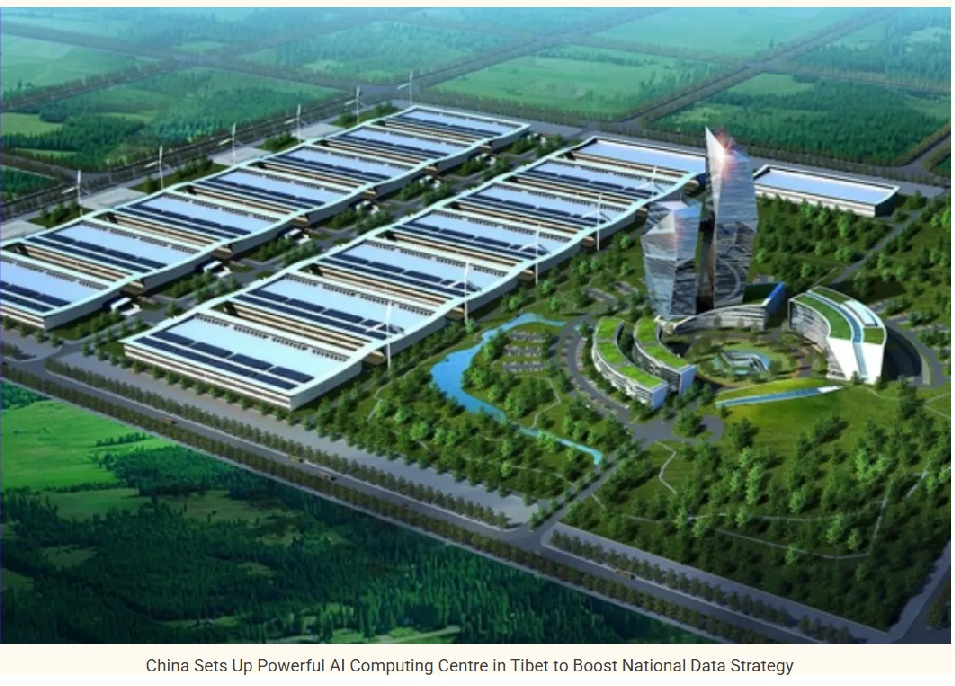
In reality hooking Tibet into China’s main arteries will finance the coming industrialisation of Tibet, everything from massive data centres to large scale agribusiness meat production for distant Chinese city markets, an intensification of feedlot factory farming in which Tibetans who still remain on their lands are reduced to marginal roles as “backgrounders” who prepare livestock for slaughter.
“Under a “Digital Tibet” campaign (数字西藏), local authorities are pouring investment into data infrastructure and digitization to attract data centers and tech companies to Lhasa, and some tech giants have already launched digital projects in the region (Xinhua, August 4, 2022; Digital Tibet Development Office, September 26, 2024). The region’s first AI computing center, “Yajiang 1” (雅江1号), opened in 2025 and has signed cooperation agreements with multiple AI firms (Tibet Daily, June 20 2025).”

Not so long ago a frequently repeated trope of propaganda was that the Tibetans were weak, even in danger of dying out, in much need of a blood transfusion from the benevolent Chinese older brother. Now the blood flows from Tibet to China, arterially charged with electricity, for the hungry high tech industries.
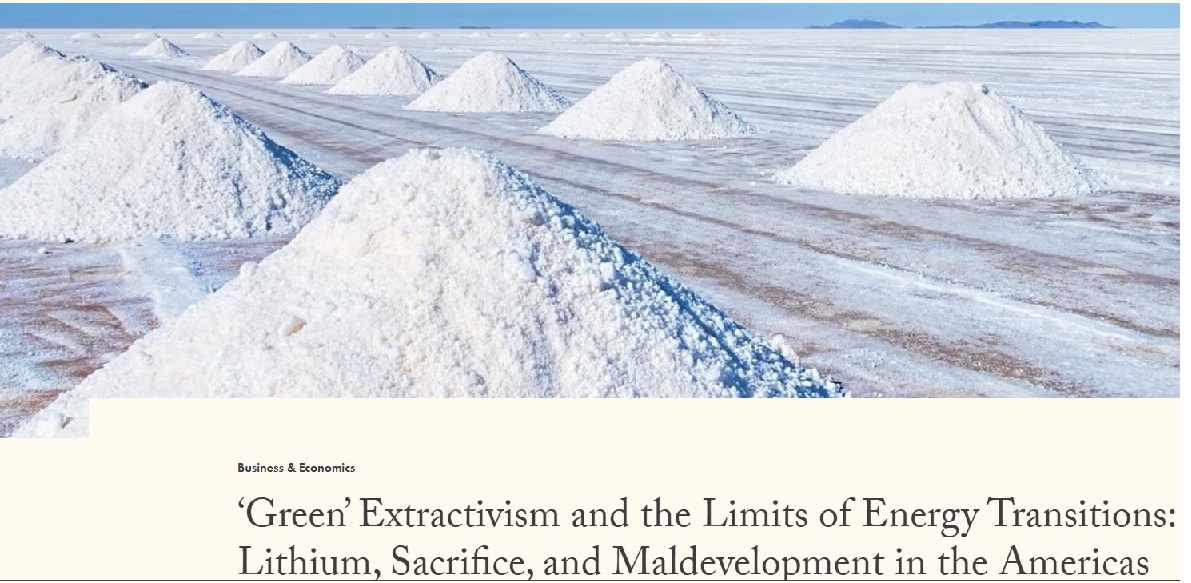
Extractivism is destiny, for Tibet, especially central Tibet (Ű-Tsang, Xizang), which until now was minimally industrialised, a province so lagging in monetised output Chinese economists often drop it from inter-provincial comparisons because the numbers are too dire. Now central Tibet, still technically the Tibet Autonomous Region, is a zone of extraction of two key critical minerals -copper and molybdenum- from big mountainous deposits, and lithium from salt lakes in the arid far west of upper Tibet, near the Indian border. Tibet as artery pumps its blood, its minerals and energy, to rejuvenate China.
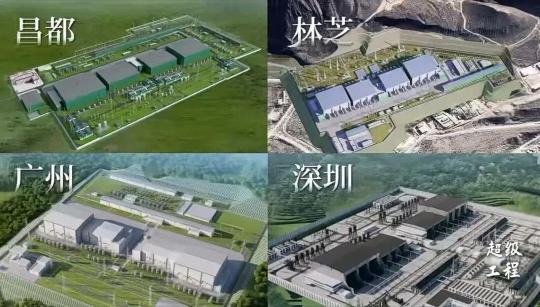
As megabuilds advance, most Tibetans will not remain on their traditional, productive lands. In the name of progress, risk mitigation, poverty alleviation, modernity, civilisation and wealth opportunities, they will be moved, initially to distant frontier villages, eventually to cities. In 2025 it is already 12 years since economist Andrew Fischer published a detailed analysis of the economy of central Tibet, The Disempowered Development of Tibet in China. What China calls development in reality is disempowerment, loss of land rights, exclusion from pasturelands, redundancy of customary modes of production, dependence on transfer payment handouts of rations. The new enclaves of extraction and arterial connection only accelerate the disempowerment, making Tibetans redundant in their own nation.
COULD TIBET POWER THE WORLD?
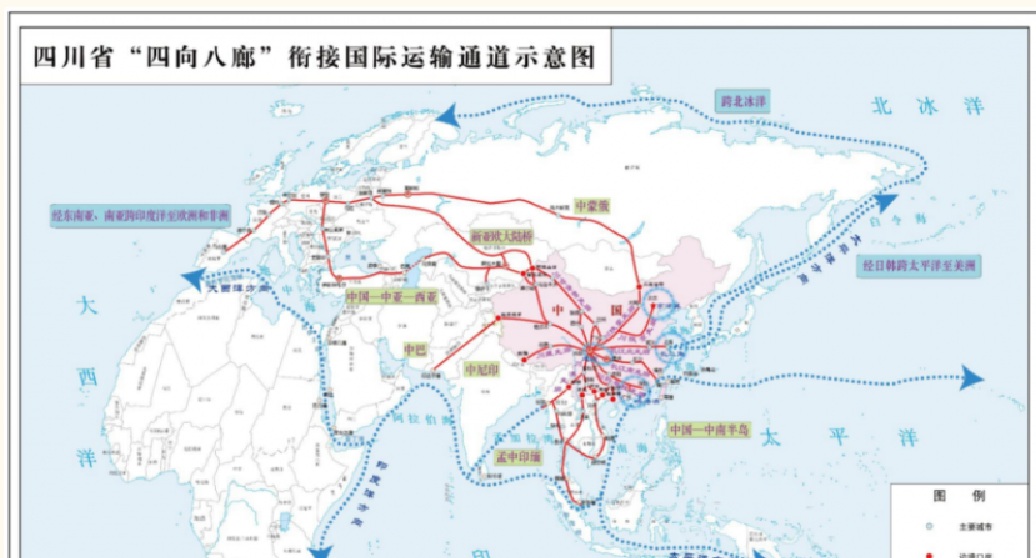
The ambitions of the party-state central planners extend far beyond China’s borders, with Chengdu pivotal, not only for arterialising Tibet but as the arterial hub for the whole of Eurasia.
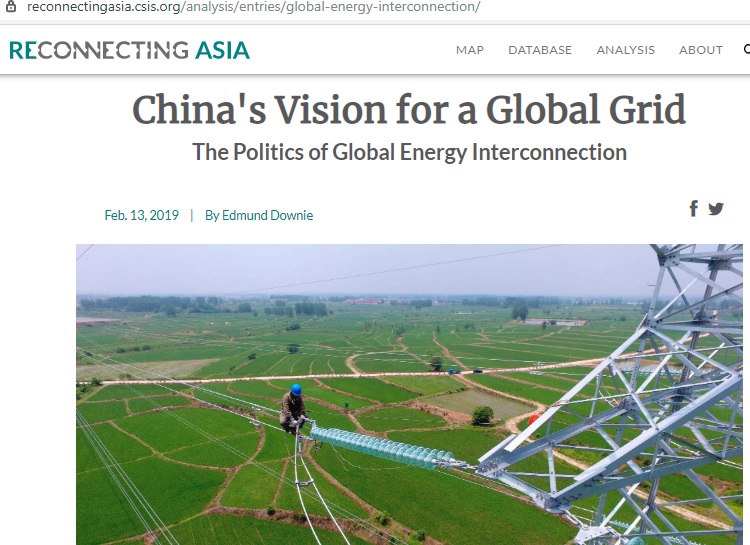
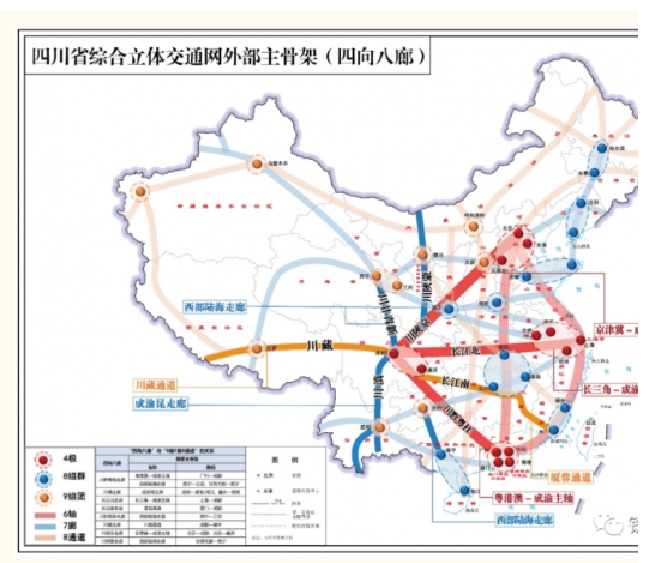
As well as the high speed rail line headed west from Chengdu to Lhasa, another high speed line is shown to the north, from Chengdu to Xining, then to Urumqi, Kashgar and the Pakistani Gwadar port, for greatly reducing sea transit of oil from MidEast to China, instead routing oil destined for SE China overland via Pakistan, Xinjiang and Tibet. The Chengdu to Xining line has been under construction for years. Its few stops will pour Han Chinese tourists in to snap up Tibetan decor/art from Rebkong/Tongren, picture perfect scenery from Dzitsa Degu/Jiuzhaigou.
China’s party-state inflates and accelerates its ambitions. The more China has, the more it wants. The arteries binding Tibet to China and more widely to Eurasia are more than transit corridors for rail traffic. The electricity exported from Tibet for external consumption, 外送消纳 is due to reach Shenzhen 24/7 by 2029, according to the plan. If the Yarlung Tsangpo hydro build delivers as planned, dwarfing even the Three Gorges hydro, there will be electricity for export to Bangladesh and Myanmar, near neighbours just south of the hydro installation. Politically this may seem unlikely in 2025, but circumstances change.
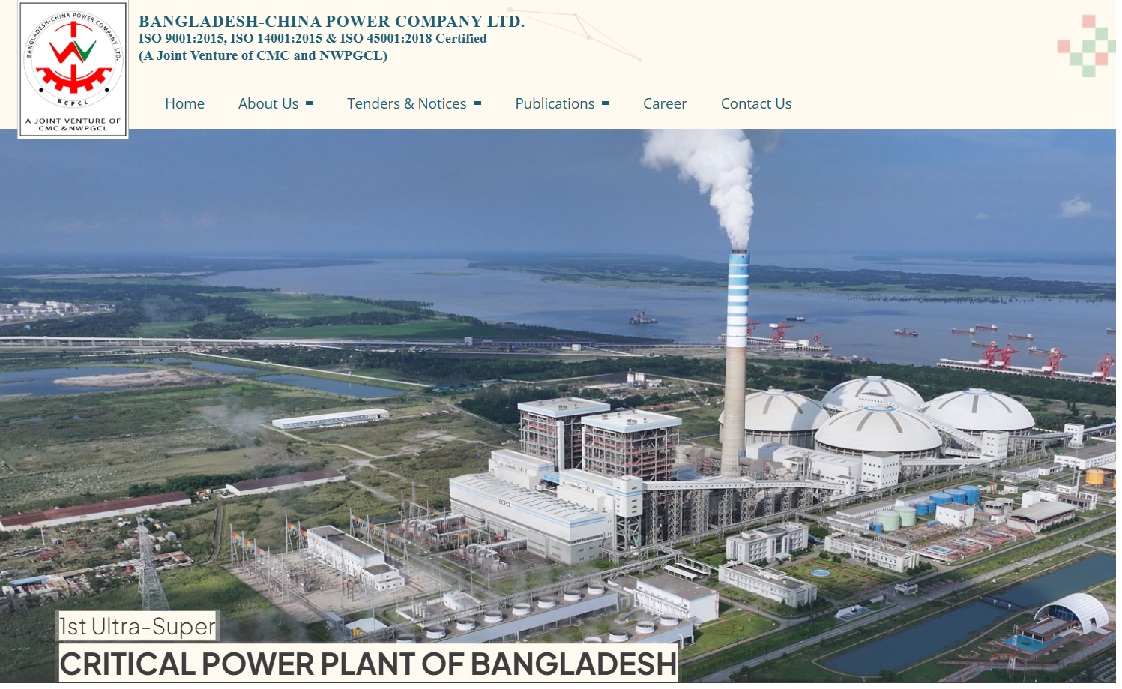
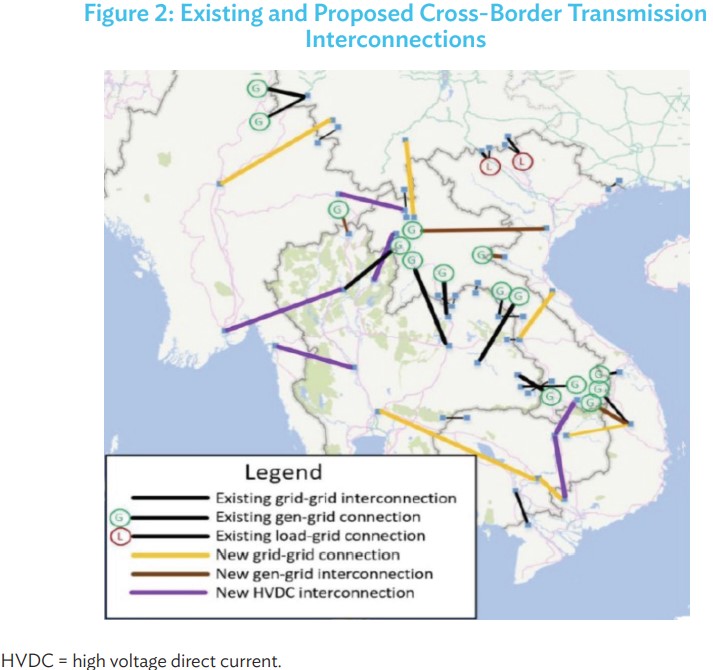
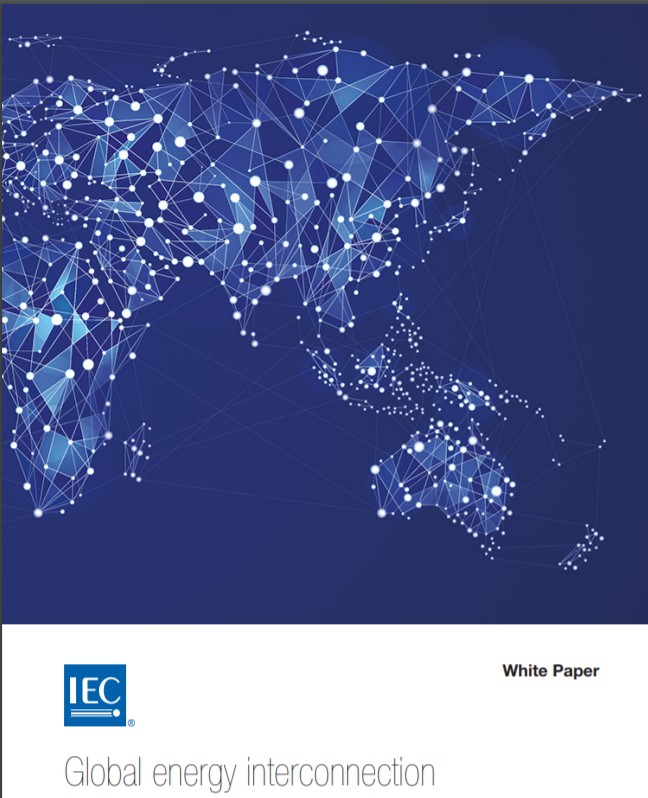
The prospect that Tibet could generate so much electricity it could be China’s power grid hub to all of Eurasia may at first sound like a fantasy, but the Beijing based Global Energy Interconnection Development and Cooperation Organization (GEIDCO) has been promoting this grandest of arterial plans for the past decade., ever since Xi Jinping proposed it, at a UN Sustainable Development summit. Now this is marketed as “building Global Energy Interconnection to meet the global power demand with clean and green alternatives, a Chinese solution to global energy transition and sustainable development. Over the past decade, the initiative has gained broad recognition and active support from the international community.”
INDICATIVE OR COMMANDING?
China’s Five-Year Plans are not what they used to be. Master planning until recently was out of favour, a relic of a failed revolutionary past. Now under Xi Jinping central planning is back, nowhere more so than in central Tibet.
In recent decades Five-Year Plans have been downplayed as “indicative”, signifying general guidance as to the direction of travel, not hard targets that must be met. Indicative plans were a shift away from the command-and-control era of a regime that allocated capital and resources, redistributing wealth to fulfil regime goals according to plans foreseeing how many nuts and bolts would be needed five years in advance.
That model collapsed when the Cultural Revolution failed, and Deng Xiaoping signalled that “to get rich is glorious.” Rigid central planning was banished, as an embarrassing legacy of the Soviet model, henceforth it would merely be indicative.
Five-Year Plans were still issued, even if they were rather vague about what was to be accomplished, and how; while China did get glorious/sly rich. As early as 2026 China will, by standard measures, no longer be classified as an upper middle income country; instead it will become a high income country; while still positioning itself as the natural leader of the Global South.
ALL OVER AGAIN
2026 is the start year of the 15th Five-Year Plan. As with the 14th Plan, central planning has made a comeback, a combination of Xi Jinping’s centralisation of control, and tech confidence that it is actually possible to know how many nuts, bolts, data centres, kilowatt hours of delivered electricity will be needed in 2030, when the next, 16th Five-Year Plan will be designed.
The 205 members of the CCP Central Committee don’t meet often, too big, too unwieldy, too many to prevent a variety of views. When they do gather in formal Plenum, they ratify Xi Jinping’s agenda, without any dissent. Quite unlike 1992 when it was the state, not the Party that issued the approval for Three Gorges damming athwart the mid-Yangtze, to go ahead. “The National People’s Congress approved the dam in 1992: of 2,633 delegates, 1,767 voted in favour, 177 voted against, 664 abstained, and 25 members did not vote, giving the legislation an unusually low 67.75% approval rate.”
Three Gorges was debated, disputed, contended for a decade before the National Peoples Congress approved it, with many voting against. No such debate over the Yarlung Tsangpo plus power grid, or the two Tibetan high speed electrified rail lines currently half constructed, Chengdu to Xining and Chengdu to Lhasa.
No way is such debate and dissent allowable today; such decisions, now in the hands of CCP Central Committee, must be unanimous. That includes the one Tibetan among the Central Committee 205, Yan Jinhai ཡན་ཅིན་ཧའེ, 严金海. 1992 is the distant past.
What objections could there be, to the biggest ticket items? All four are in Tibet:
- the high speed rail lines Chengdu to Lhasa, and Chengdu to Xining, scheduled for completion within this coming Five-Year Plan,
- an ultra-high voltage power grid to export electricity from Tibet to the Shenzhen/Hong Kong high tech, “high quality” powerhouse of China’s future growth, slotted for completion by 2029,
- biggest of all, the Yarlung Tsangpo extraction project, 雅鲁藏布江下游水电工程which will take more than one Five-Year Plan, apparently.
What’s not to like? What should be debated? A few lonely voices do speak out, on social media such as Weixin/WeChat, elderly Chinese who have walked the wild rivers of Tibet and know in embodied ways what is about to be lost. But the core objective of the incoming 15th Plan is for China to keep growing, avoiding the “middle-income trap” that stalled Japan for decades, and key to accelerating growth is the high tech, “high quality” cities of Guangzhou, Shenzhen and Hong Kong, and they need electricity for their energy hungry new industries.
If there was any debate, dissent, abstention, contention we may never know, since CCP Central Committee votes are secret, unlike the National People’s Congress in 1992. What we do know is that just before this gathering Xi Jinping purged many of its members, especially in the military, so of the 205 Central Committee full members only 168 actually attended, acutely aware of the fate of those who step out of line.
Nonetheless, it is not hard to imagine what could have been debated. Across China there is deep disillusion with the endless demands that everyone must work harder to fulfil party-state goals. There is pent-up demand for wealth redistribution to flow downwards, not up to the billionaires. This yearning for egalitarianism is especially sharp in China, which calls itself socialist: safety nets for the precariat, protection from exploitation, are socialism.
In theory the party-state is committed to transitioning to China arriving as a high income country, by ensuring the masses have more spending power, thus boosting consumption, so consumption drives growth, as in all rich countries, rather than endless spending on massive, headlining infrastructure investments.
“When the economic pie gets sliced up, households get a relatively small share of China’s economic proceeds. That is partly because most of China’s welfare programs—most notably pensions and healthcare—are chronically underfunded. But it is also because wealth is diverted from households toward companies, which use it to invest—in research and development (R&D), in new factories, and in infrastructure. That diversion occurs through a myriad of ways, but the three main channels are state firms, the property sector, and labor laws.”
If anyone hoped for the 15th Plan to turn away from infrastructure and towards the censored but heartfelt popular desire for workers’ rights and social security, they would have been disappointed.
Official media summed up the outcome of the Plenum as more of the same old: “we should build a modernized industrial system and reinforce the foundations of the real economy, and work faster to boost China’s strength in manufacturing, product quality, aerospace, transportation, and cyberspace. The share of manufacturing in the national economy should be kept at an appropriate level, and a modernized industrial system should be developed with advanced manufacturing as the backbone. We should upgrade traditional industries, foster emerging industries and industries of the future, promote high-quality, efficient development in the service sector, and develop a modernized infrastructure system.
“The plenary pointed out that the ‘15th Five-Year Plan’ period holds a crucial, linking role in the process of basically achieving socialist modernization— a judgment based on the historical tasks this period must shoulder. The entire Party must coordinate the overall strategy of the great rejuvenation of the Chinese nation and the profound changes unseen in a century in the world, accurately grasp the development trends of our country over the next five years, maintain strategic resolve, build firm confidence in victory, proactively recognize, respond to, and shape changes, and be ready and able to engage in struggle.
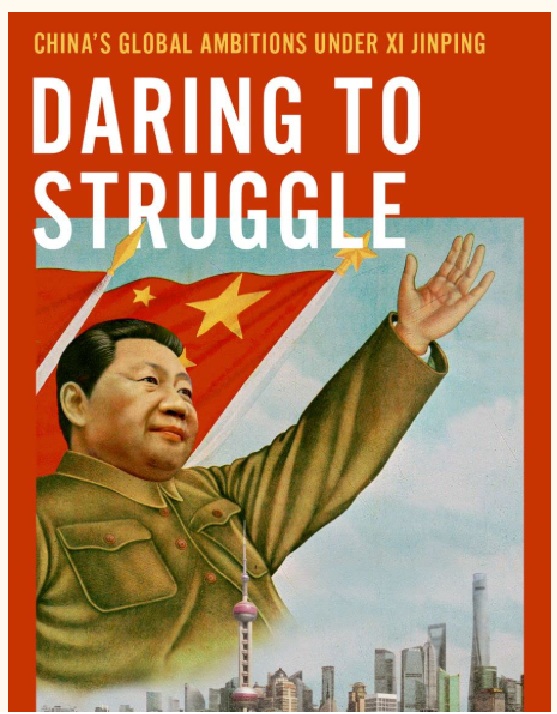
“We must be courageous in facing severe tests—be they strong winds and waves or even raging storms—and, with a spirit of historical initiative, overcome difficulties, guard against risks, and meet challenges. In earnestly studying, implementing, and carrying out the spirit of the plenary, we must uphold the general principle of pursuing progress while ensuring stability; accelerate the establishment of a new development pattern; adhere to economic development as the central task; take high-quality development as the overarching theme. The whole Party and the people of all ethnic groups across the nation must think with one mind and work with one heart.”
Tibet must contribute to this endless arduous struggle to build a materialist utopia on earth. Tibet must supply its waters, energy, pastures plastered over with solar panels, gold, copper, molybdenum, lithium to make “the world’s most complete industrial system” more and more complete. This is compulsory.
Creative destruction is energy intensive, so Tibet is not only being hydrodammed, clustering around the dams are land grabbing solar and wind installations scaled up to capture the pastoral lands, and remove most of the pastoralists.
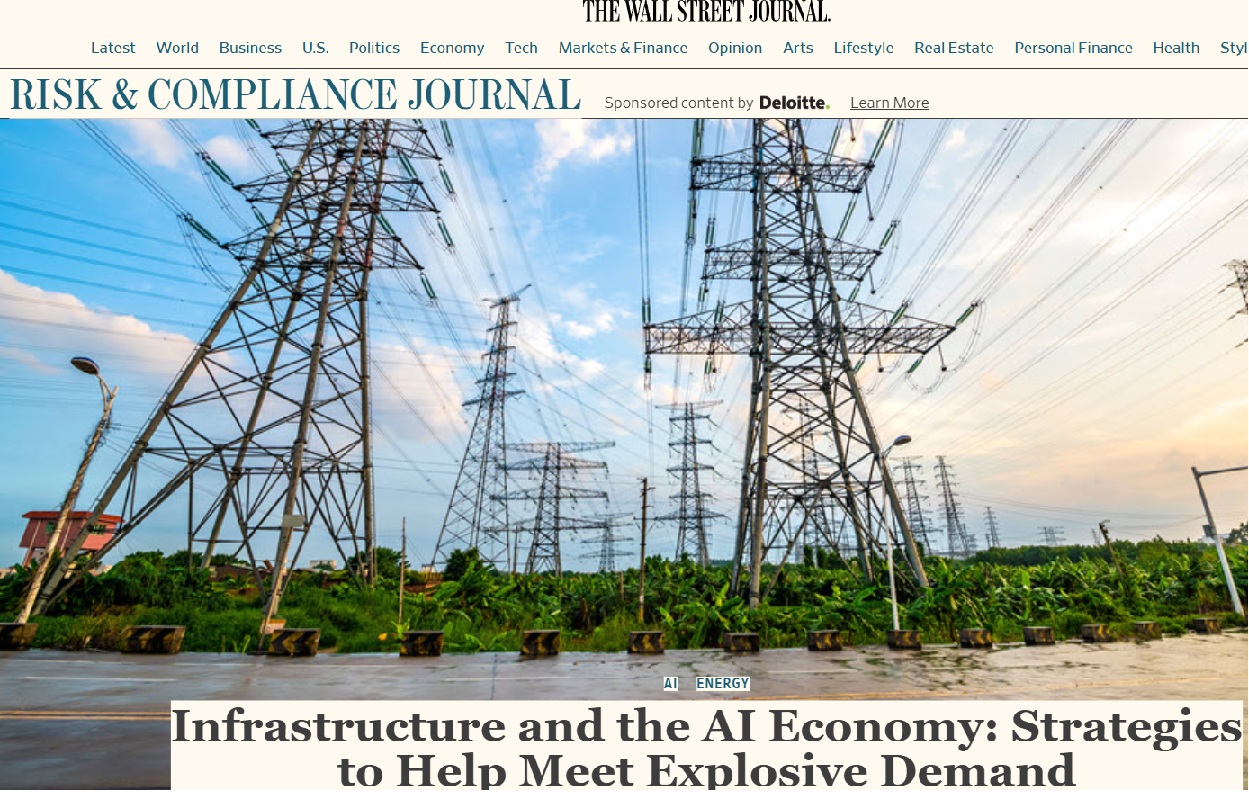
This is Tibet 2.0, a makeover with Chinese characteristics, in official jargon “integrated hydropower–wind–solar power bases” 水风光综合基地一体化.
China’s frequent boast that it is “the world’s most complete industrial system” 产业体系完备 includes all the LLM and AI algorithms that not only generate data points by the billion, but can detect the patterns in the data that enable predictive policing, and predict hydropower demand in 2030, and plan accordingly. Stalin could dream of such total mastery[1], but only in the mid 2020s is there both the torrent of data and the computing power to analyse it, to enable central planning to make its comeback.[2]
Who in today’s China, under core leader Xi Jinping, would object to a master plan for the desertifying “waste” lands of Tibet, which Tibetans for centuries did so little with, being reborn as extraction enclaves that power China’s new tech national champions? This isn’t 1992. And isn’t China, with its mastery of all green energy tech, saving the planet?
Xi Jinping runs a tight ship, at a time when growth is no longer assured, a high proportion of the population are unemployed and disillusioned with the promise that if only you work hard enough you can get ahead. China’s mases rural and urban, are fed up with empty promises, such as the CCP’s vague goal of “common prosperity”, when it is painfully evident that it is the red princelings, the CCP’s nepo babies, who get ahead, and further concentrate wealth.
The 2025 year of planning the plan has been uncommonly attentive to insisting top leaders do know how to keep China forever growing, the “great rejuvenation.” Much more has appeared in official media, a drive to fix the upcoming Plan prior to the start of implementation. That is a break with recent decades, when Five-Year Plans have often surfaced well after the start date, and later still for each ministry and each province to issue their own version, outlining what they are responsible for.
In the Fourth Plenum there was much talk of the need to stimulate consumption, but few specific plans to actually redistribute spendable wealth such as boosting central funding of social welfare, health and education. Instead, as usual, as in one Five-Year Plan after another, the emphasis is on infrastructure, on big ticket nation building projects, especially in Tibet. Business as usual, scaled up. This is politely known as path dependency, more colloquially as 如法炮制 rú fǎ páo zhi, to follow the same pattern, to copy the old recipe. Diminishing returns for China, disempowerment for Tibetans.
 DEBATING THE CCP FOURTH PLENUM NON-DEBATE
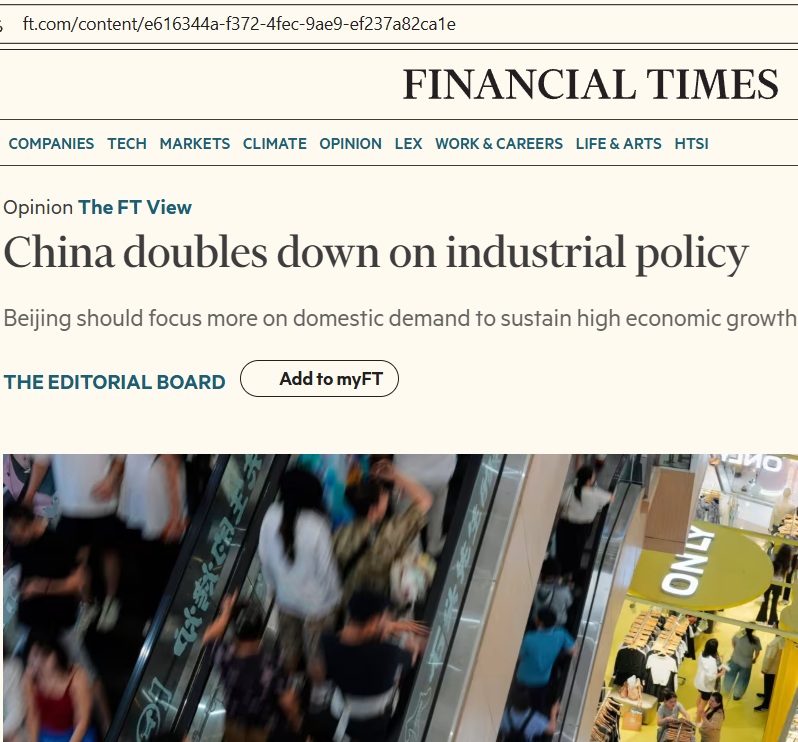
The ongoing refusal of top leaders to adequately finance social security, health and education leaves the masses with little choice but to save rather than spend, because when hard times come, the state has little support on offer. There is a deep, unresolved tension between popular yearning for redistributing wealth to the poor, rural and urban, thus stimulating consumption essential to stimulating growth; against the habits of the red engineers who persist in pouring capital into infrastructure mega projects that have a low rate of return and do little to stimulate demand.
Although “common prosperity” is an official slogan, the party-state persists in allocating investment funding to headlining infrastructure, monuments to the utopian visions of central leaders..
These unresolved contradictions frame the 15th Five-Year Plan and the capture of the largest of Tibetan rivers, as core 15th Plan goals. You won’t read much about the core contradiction the Fourth Plenum failed to address. In China, the reasons so many drop out, alienated and disillusioned cannot be openly discussed. Beyond China the analysts focus on the macroeconomics of growth, industrial policy and the US-China rivalry, seldom noticing those who drop out of relentless competition. Their readers just want to know is China investable, or is China eating our lunch?
Several years before the first Soviet Five-Year Plan, Lenin announced: “Without a plan of electrification, we cannot undertake any real constructive work. Communism is Soviet power plus the electrification of the whole country. We have already drawn up a preliminary plan for the electrification of the country; two hundred of our best scientific and technical men have worked on it. We have a plan which gives us estimates of materials and finances covering a long period of years, not less than a decade. This plan indicates how many million barrels of cement and how many million bricks we shall require for the purpose of electrification. We must fulfill this plan at all costs, and the period of its fulfillment must be reduced. To carry out the electrification plan we may need a period of ten or twenty years to effect the changes that will preclude any return to capitalism. This will be an example of rapid social development without precedent anywhere in the world. The plan must be carried out at all costs, and its deadline brought nearer.”
Today’s party-state, Lenin’s heirs in Beijing, is similarly in a nation-building hurry, and similarly proud of a rapidity without precedent, an intensification of scaled up extraction but not to achieve communism and defeat capitalism; rather to supply the capitalist hub of Shenzhen/Hong Kong with all the electricity power hungry LLMs, AI, crypto mining and data centres are projected to need.
China tells the world the coming 15th Five-Year Plan is the pinnacle of human social evolution. In official media it is “another comprehensive mobilization and deployment to build Chinese-style modernization by riding the momentum forward. It embodies the historical initiative of the Party Central Committee with Comrade Xi Jinping at its core to unite and lead the entire Party and people of all ethnic groups in continuing to write new chapters in the twin miracles of rapid economic development and long-term social stability and in opening up new prospects for Chinese-style modernization. It will surely exert a major and far-reaching impact on the cause of the Party and the country.”
For a party-state in which the state implements what the party decrees delivering electricity exported from Tibet is a means to an end. The tech enterprise of the Shenzhen/Guangzhou cluster will accumulate and concentrate wealth by delivering the “high quality” tech that gets China out of “middle income trap” stagnation, keeps China growing, keeps the ruling party in power, as master planners with a grip on the coming five years, and well beyond.
Party-state ambitions go well beyond meeting projected electricity demand. Nation-building requires that central Tibet be locked irrevocably into China, remade to face eastwards to lowland China for everything: language, identity, industry, wealth creation, expertise, intensification of production. The 15th Five-Year Plan, formally launched in March 2026, accelerates the assimilation of central Tibet into the Zhonghua minzu, the Han Chinese race. It accelerates Tibet into modernity with Chinese characteristics.
[1] Deborah A. Kaple, Dream of a Red Factory:The Legacy of High Stalinism in China, Oxford U Press, 2001
Francis Spufford, Red Plenty, Graywolf Press, 2011
[2] Kornai, J. (1992). The Socialist System. The political economy of communism. Princeton University Press.