CHINA’S FIVE-YEAR MASTER PLAN TO TRANSFORM TIBET 2026-2030
1: DATA POINT LHASA
China’s ambitious plans for a makeover of Tibet with Chinese characteristics are stunning in their comprehensiveness. In February 2026 China released its 15th Five Year Plan (FYP) for central Tibet, 45 pages long i n the original Chinese, by far the most detailed plan for transforming Ű-Tsang, Tibet “Autonomous” Region, which China now calls Xizang.
https://www.xzxw.com/zw/qwfb/2026-02/14/content_6762610.html

In past Five Year Plans first the central plan would be issued by Beijing, later a Tibetan version repeating all the centre’s slogans, and with projects specific to Tibet. In 2026 that order reversed; the TAR plan was published 13 February; the full national plan later.
This post analyses China’s master plan to extract and absorb central Tibet, more totally than ever before. This analysis draws on the formal adoption of China’s latest Five Year Plan by the National Peoples Congress(NPC) in March 2026 and also the NPC formal approval of the assimilationist agenda of the Law on Promoting Ethnic Unity and Progress民族团结进步促进法, a law that adds legal enforceability to all 12 of Xi Jinping’s ideological slogans demanding erasure of Tibetan identity.
Plunging into FYP’s 46 chapters, arranged under 14 main headings, is a torrent of audacious goals to make Tibet irrevocably China’s, imbuing all aspects of Tibetan life, land, language and economy with thoroughly Chinese characteristics.
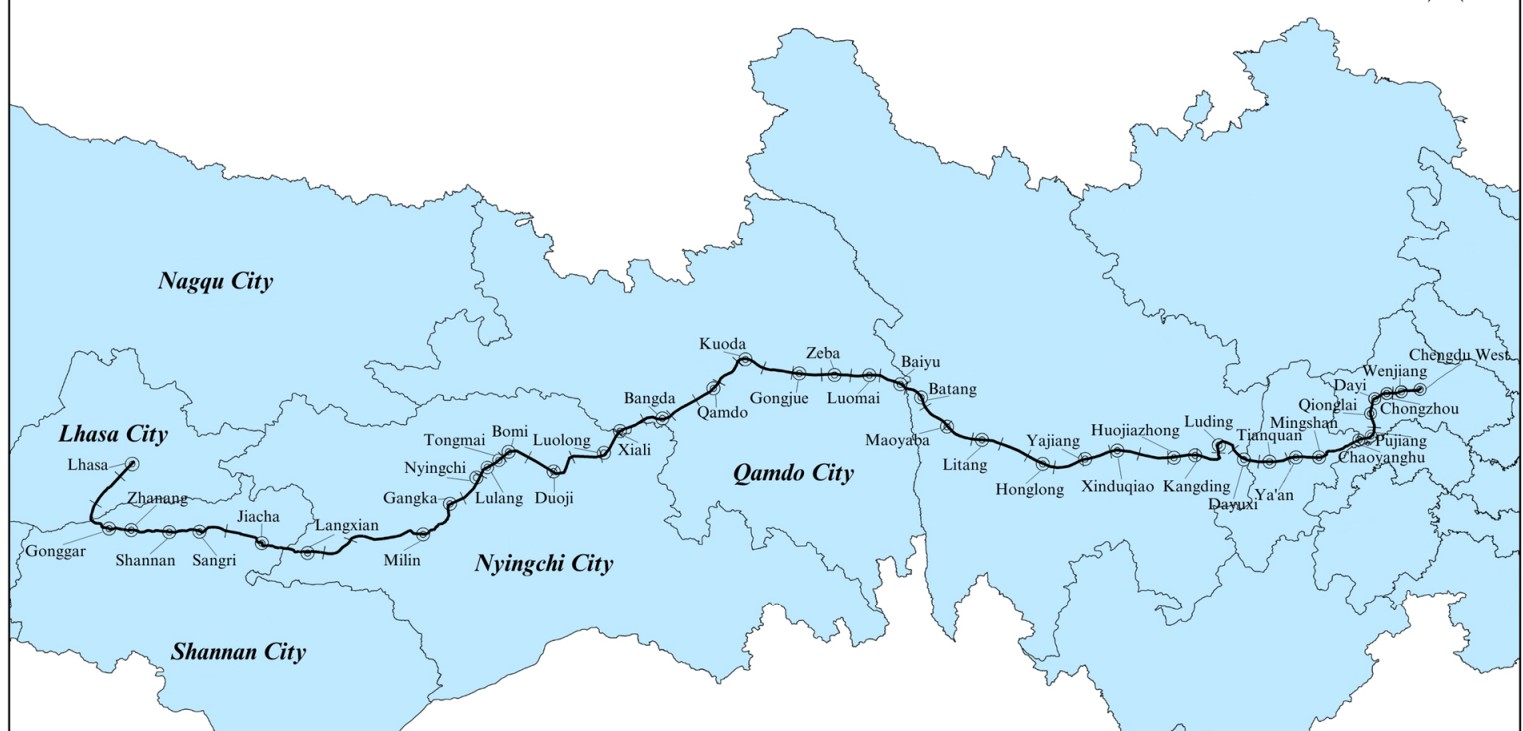
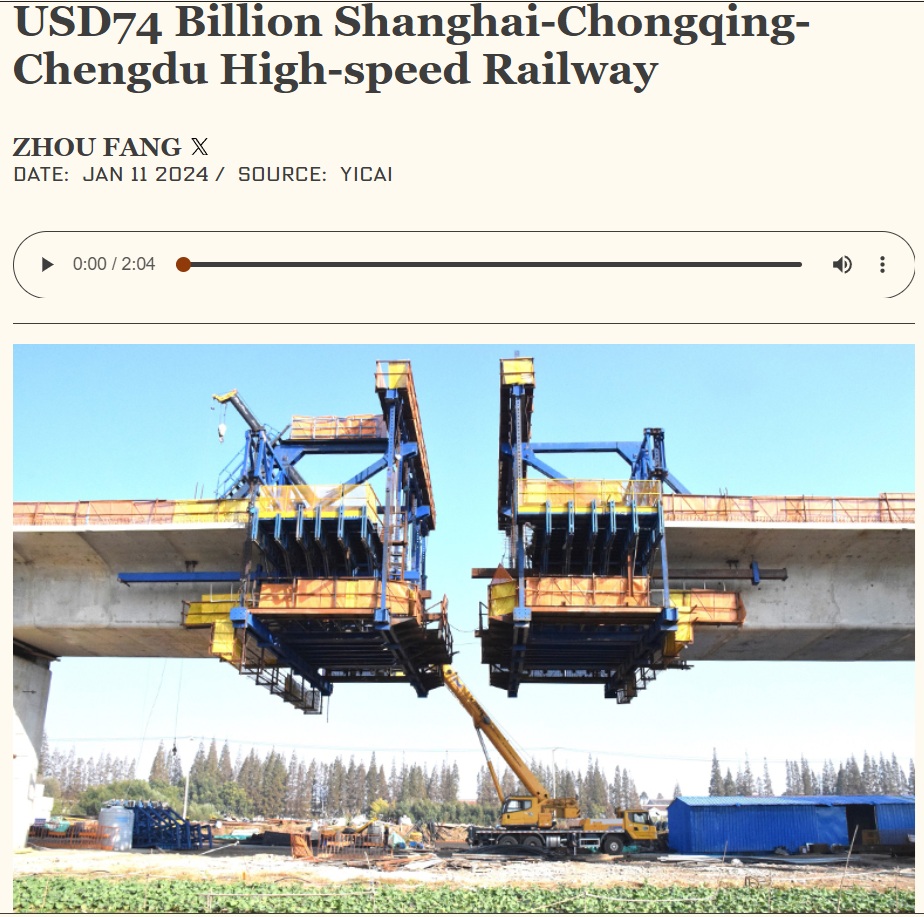
Building on major infrastructure projects launched during the 14th Five Year Plan, especially the Shanghai-Chengdu-Lhasa high speed railway and the Yarlung Tsangpo mega hydro project, this is a detailed vision of a Tibet locked into China as never before.
However, many announcements lack hard targets. This master plant reads like a wish list of all of China’s priorities transferred to the high plateau, a flood of keywords that sound rather like AI rampant. After all, this would hardly be the first Five Year Plan to announce “pillar industries” that seldom materialise. So, what is realistically likely?
ACCELERATING TIBET
Amid the onslaught of central planner buzzwords, the core theme is to make Tibet thoroughly Chinese, in as many ways as possible. China’s political economy vision gives Tibetans outside Tibet plenty to chew on, plenty to track, analyse and feed back to the seven million inside who can only access the official line.
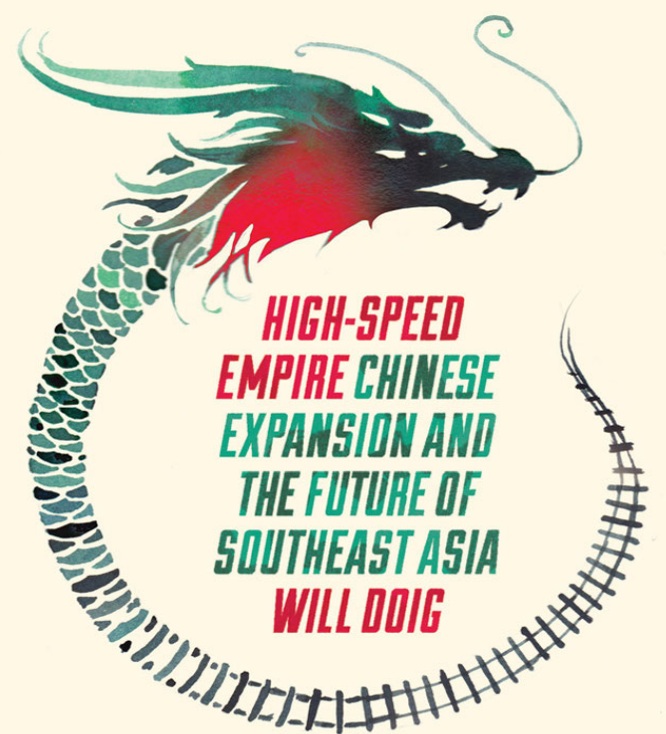
China’s planners, for the first time, are able to imagine all of China, including all of Tibet, as a whole, as one production unit, to be engineered for maximum efficiency. China is upfront, proud of what it now plans to impose on Tibet. The party-state has the means to transform Tibet, and the will, a bigger story awaiting telling.
China’s drive to implant a China-facing economy, and imbue all of Ű-Tsang/central Tibet with Chinese characteristics, comes from the Yarlung Tsangpo hydro mega build. That project plans to spend RMB 1.2 trillion, a capital expenditure sufficient to overwhelm Tibet “Autonomous” Regio (Xizang in Chinese). Capex on that scale is transformative, and the spend on surrounding the hydro scheme with huge solar and wind turbine installations, plus power grids, adds further to the capex outlay.
Central Tibet, including Lhasa, is to be made Chinese from Nyingtri and Chamdo, China’s base for the current hectic pace of solar, wind power and grid construction, with the river diversions and tunnels to follow. It was in Chamdo in 1950, in the portion of Kham annexed to Ű-Tsang, that China’s army defeated Tibet. Now Chamdo is fast becoming the spearhead of a new wave of extractive colonialism.
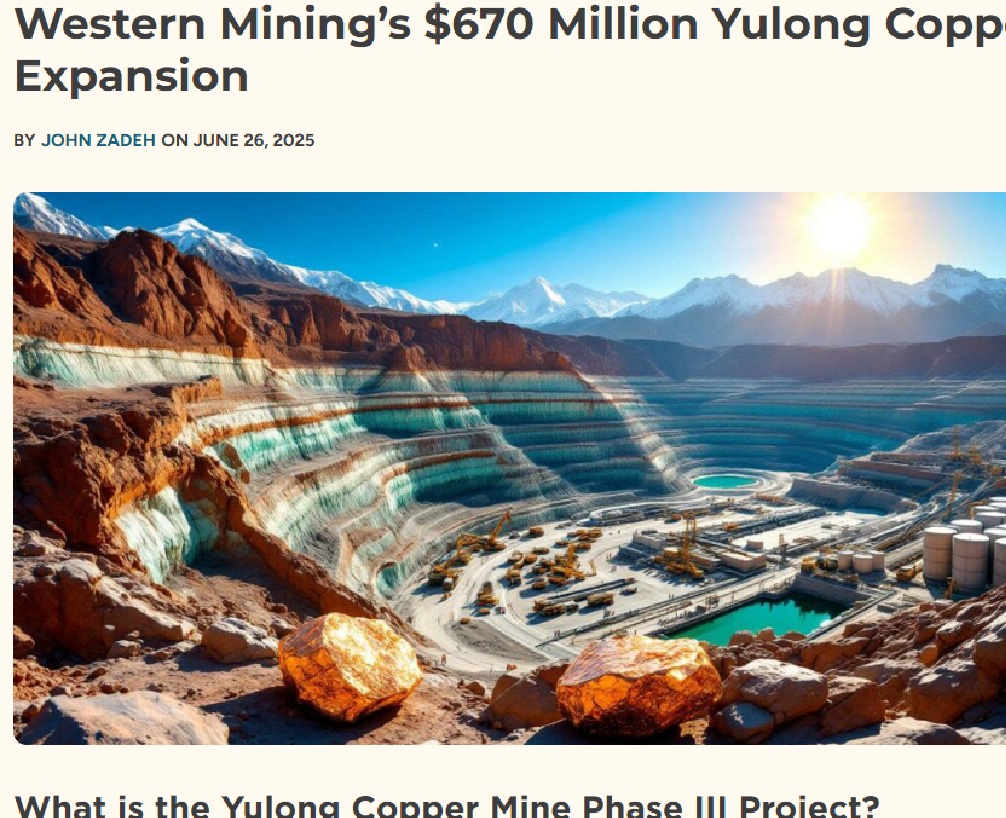
Even if, as in past Five Year Plans, much of this flourish of rhetoric will take more than five years, China is now so much richer it can afford to invest heavily in the full range of industries with Chinese characteristics; and Chamdo as a major base of electricity export to lowland China is under construction at a rapid pace. Consistently high prices of copper and gold are a substantial reason to upgrade the Jomda Yulong mine, tripling its extraction, now well under way.
The world is increasingly fascinated by China’s messaging; that Tibet plays its part in China’s rapid, miraculous transformation into the global champion of green energy, the saviour of the planet from overheating. That is China telling its story well, a propaganda command issued by Xi Jinping years ago, unchallenged by complex truths of green colonialism now requisitioning the landscapes of Tibet.
CCP Politburo states the grand vision for the 15th Plan: “We must enhance the foresight, targeted nature, and synergy of policies, continuously expand domestic demand and optimize supply, improve increments and revitalize existing stock, develop new quality productive forces according to local conditions, advance the construction of a unified national market in depth, and continuously prevent and defuse risks in key areas.” Each of these slogans is a danger to Tibet remaining Tibetan. They need to be understood and unpacked, to recognise what they mean for Tibet.
In Beijing’s gaze the Tibetans and thus the Tibetan lands have self-evidently always been unproductive; thus a makeover is imperative. If China is to achieve its core Five Year Plan objective of outcompeting USA, further extending its lead as “the world’s most comprehensive industrial system”, Tibet must produce the goods. Tibetans and the landscapes of Tibet must be made over, if they are to become productive forces, joining the new productive forces China has added to the list of factors of production, especially technology and data.
Specifically, in the 15th Five Year Plan, that means:
- Intensifying extraction of Tibetan minerals, water, hydropower, solar power, wind power all transmitted (on Tibetan copper wire) to distant industrial cities
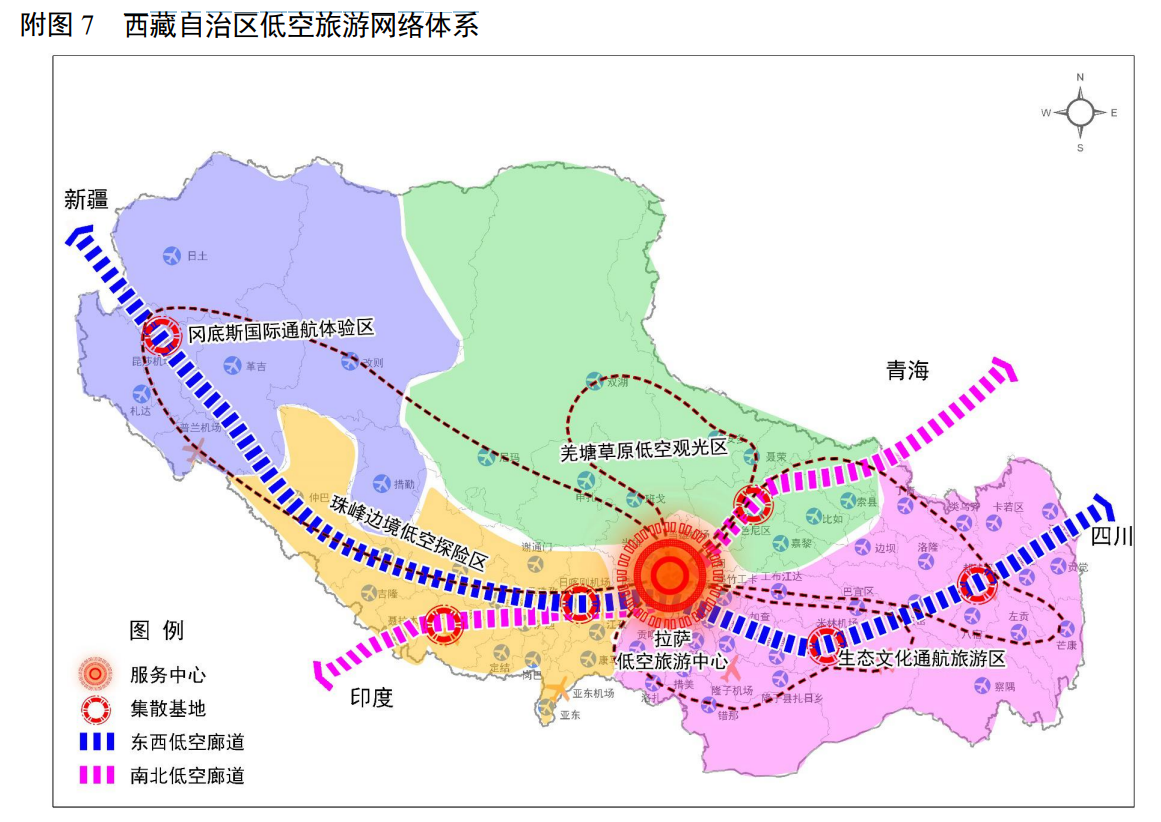
- Completing the Shanghai-Chengdu-Nyingtri-Lhasa high speed railway, adding tens of millions of lowland Chinese tourists on top of the 63 million who overwhelmed Lhasa last year.
-
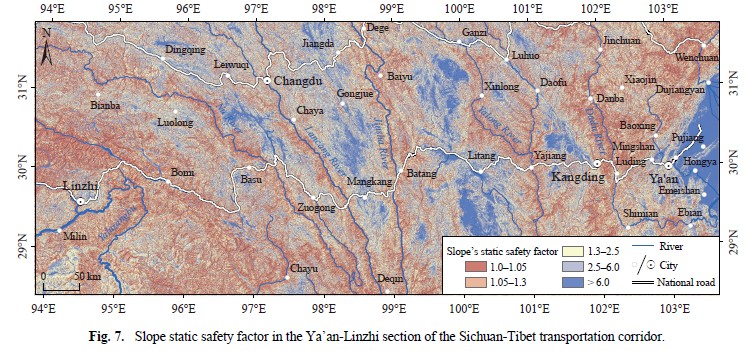
China’s Chengdu to Nyingtri to Lhasa Engineering Corridor for highway, high speed rail and mass tourism. - Intensifying the “rural rejuvenation” of Tibet by accelerated removal of Tibetan pastoralists and farmers, in the name of efficiency, land consolidation, large scale agribusinesses that fatten Tibetan livestock, slaughter and butcher, freeze and despatch into cold chain logistics that provide wealthy urban Chinese with meat from Tibet marketed as clean and green.
- Tibetans deemed unproductive, displaced from unproductive lands, are required to live in frontier villages where, together with nearby PLA military garrisons, they patrol border districts, while their children learn, in Chinese, how to be modern, civilised and materialist, kindling new desires for wealth accumulation which in future will result in outmigration from Tibet to join the precariat of migrant gig workers in China’s biggest cities.
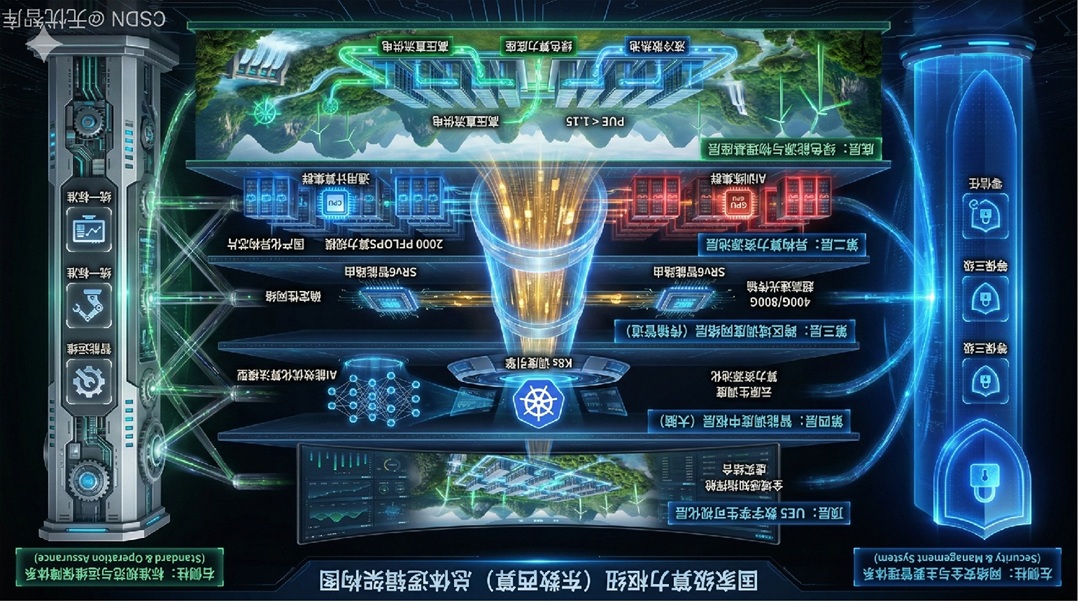
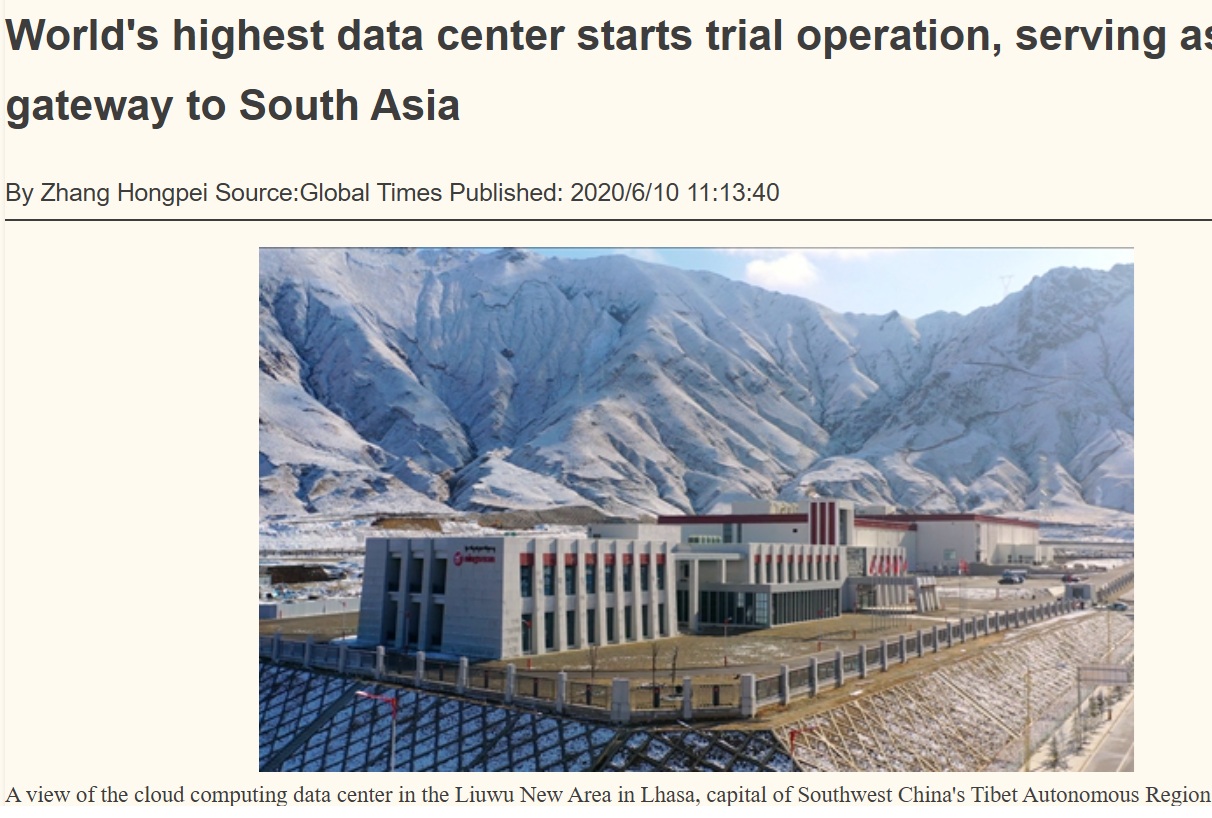
- Lhasa to become a major hub of energy-intensive data crunching, China’s computing backroom chewing through torrents of data generated in the industries of lowland China, anything computable that need not be immediately deployable.
All five are analysed in this post, with English translations of the original TAR 15 FYP text, a long read, a lot to unpack and decode.
COMPUTING TIBET
In this deep dive into the TAR Five Year Plan for 2026 through 2030, first, the least known on the master list of five: central Tibet as computing powerhouse, powered by high voltage electricity transmitted from Chamdo and eventually from Yarlung Tsangpo hydro.
Distance no longer matters. One of the core characteristics of the Anthropocene great acceleration is that not only does time accelerate but distance collapses. This is especially true of ultra-high voltage electricity transmission, enabling electricity generated in eastern TAR to reach far Hong Kong in less than a tenth of a second, likewise, in the opposite direction, transmitted to Lhasa.
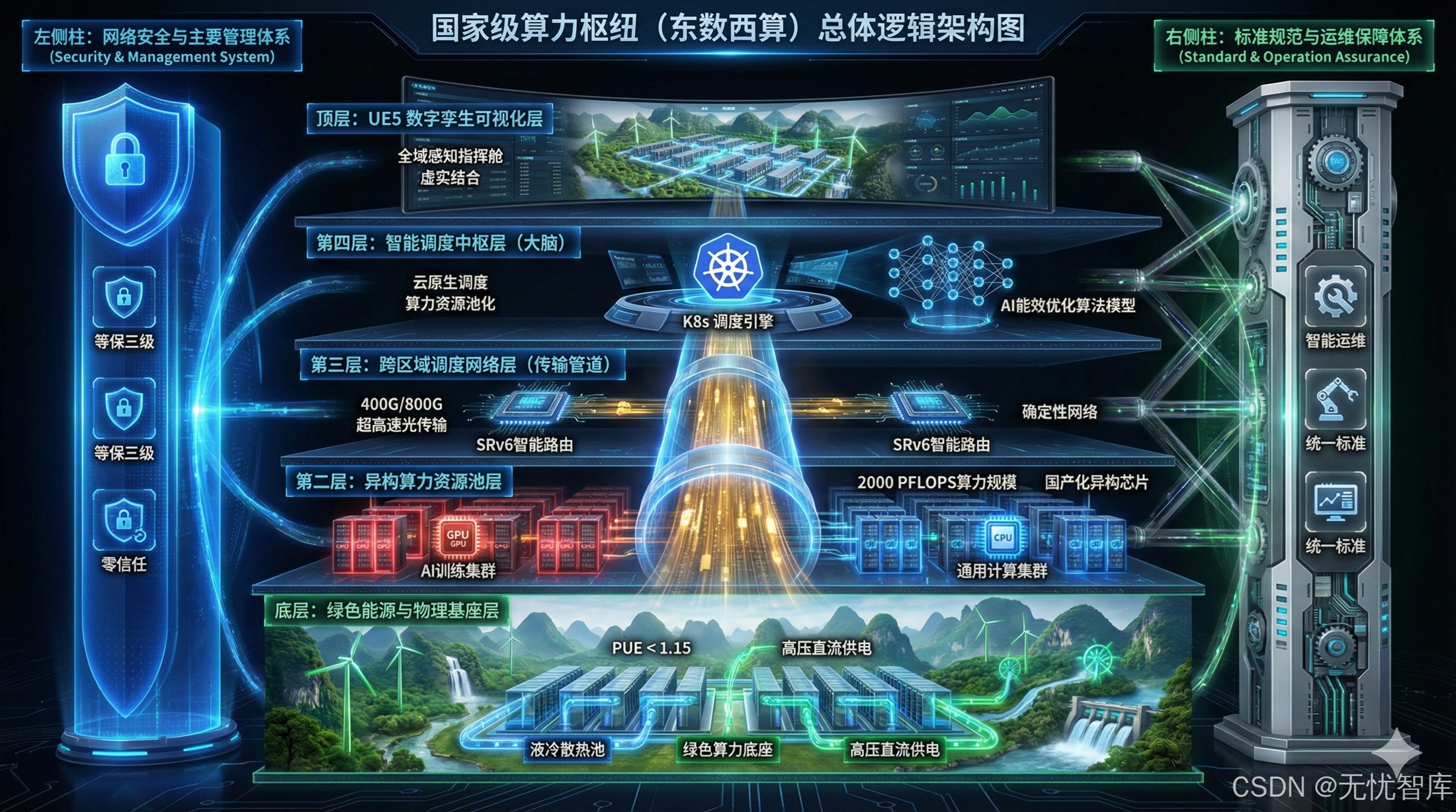
Lhasa in the 15th Plan is being remade as hub of a new industry that is hungry for hydropower, and provides employment for immigrant Han lowlanders. The core slogan driving this campaign is 东数西算, east data, west compute. The planned outcome will be “Cross-regional Dispatch Network and Green Energy-efficient Data Centre Construction Planning Scheme”, 跨区域调度网络与绿色节能数据中心建设规划方案.
Behind the jargon is a simple proposition. China, like the US, is racing for global dominance in every industry reliant on vast torrents of data, from surveillance and security to targeted advertising to AI to large language model training and much more. The big tech billionaires in US are hectically building huge new data centres, to be powered by whatever they can get: coal-fired, natural gas fired, nuclear, hydro, grids, plus lots of chemical storage of electricity in batteries, and it still may not be enough.
China has a different answer: it has Tibet. China’s magic weapon is Tibet. The Tibetan Plateau is the one with the lot: plenty of emptiable space for solar arrays and wind turbines on a colossal scale, lots of cold water both to generate electricity and keep computers from overheating, glaciers, mountains, terrain well suited to pumped hydro to store electricity more intensively than any chemical storage of electricity in batteries, plus a cool climate that cools heated computers.
All of that is condensed into the “east data, west compute” slogan, with Chengdu the hub. Of course there are many uses for computer power that would struggle to handle the latency, or tiny lag in time as data is transmitted over optical fibre cables over vast distances. Security enforcers need real time feed, to leap into action, arrest offenders before they offend, because that is what big data algorithmic predictive policing is about.
But there is plenty of data crunching that is not quite so urgent. Lhasa is becoming the backroom of China’s top-level design campaign to lead the world in all industries reliant on data crunching. If this is to be China’s century, it will be because China declared data to be a new factor of production, adding to the centuries-old ones of land, labour and capital. The data-dominated future now needs a big, cool, empowering backroom in Lhasa. So says TAR 15 FYP.
National-level computing power hub nodes already exist in China, including Inner Mongolia, where coal fired power is available, and in Gansu, close to Tibet. Now it is Lhasa’s turn to step up. The Tibet central planners explain: “By constructing high-speed, ubiquitous, secure, and reliable computing power transmission channels, they link the eastern regions with high computing power demand, with the western computing power supply bases, achieving coordinated transition from “Eastern Data, Eastern Computing; Western Data, Western Computing; becoming Eastern Data, Western Computing.” Their core function is to break down regional barriers to computing power resources, enabling precise matching between the real-time computing power demand in the east and the non-real-time computing power supply in the west through a unified scheduling mechanism, standard system, and operating model, thus building a national integrated computing power market.”
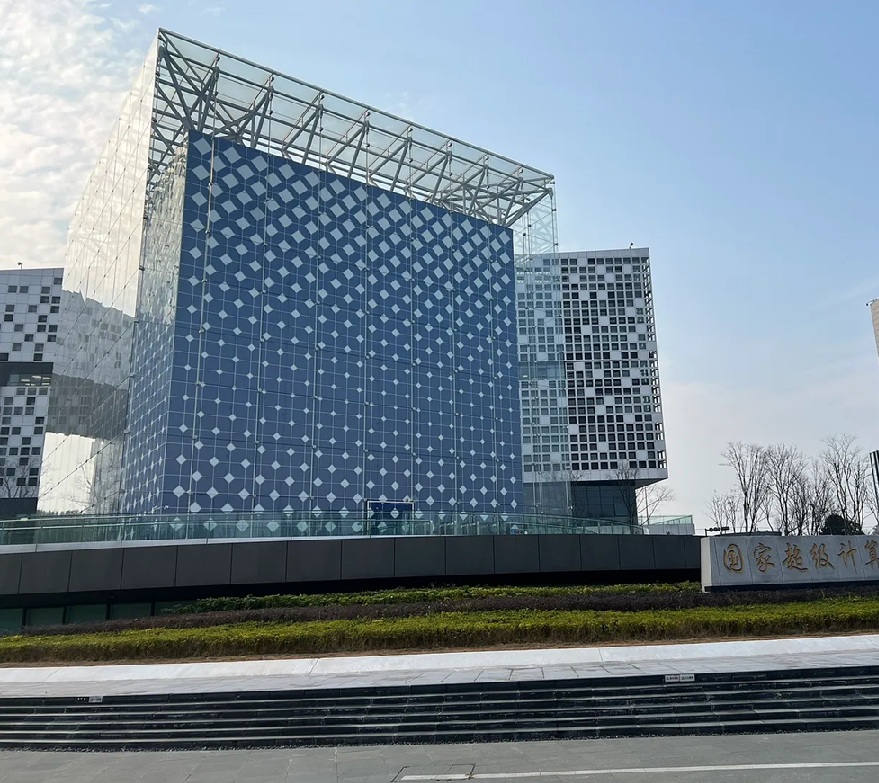
Since 2024 China’s tech heads have elaborated in great detail how this system works, hundreds of pages of detailed plans are online. Their starting point is simple: “The western region is rich in renewable energy sources such as wind and solar power, and has suitable climate conditions, possessing the resource endowment for large-scale data centre construction, but its computing power demand is relatively insufficient. A cross-regional scheduling network can guide non-real-time computing tasks from the east to the west, while green data centres can efficiently absorb green electricity resources from the west, forming a supply-demand balance pattern of “demand-driven from the east and supply-supported from the west,” achieving optimal resource allocation.”
In the name of efficiency and “green energy” China plans to boast it has rationally conquered the electricity hunger inherent to data crunching, unlike the chaotic Americans who grab at whatever they can, with no overall plan. “By constructing green data centres at western hub nodes and leveraging local green electricity resources to achieve low-carbon computing power production, while simultaneously optimizing computing power deployment through cross-regional scheduling networks, carbon emissions from the computing power industry can be reduced at the source.”
One of many upscalings is a new emphasis on the Kham portion of TAR, especially Chamdo and Nyingtri as hubs of accelerated modernisation, after decades of neglect. For many years it was the Nagchu clique of Tibetan CCP recruits in command, and the large slice of Kham apportioned to central Tibet languished. Now there are grand plans for mass tourism, luxury hotels, highway upgrades, massive hydropower builds, intensified extraction of copper, power grids and enormous installations of solar and wind power wrapped round the hydro.
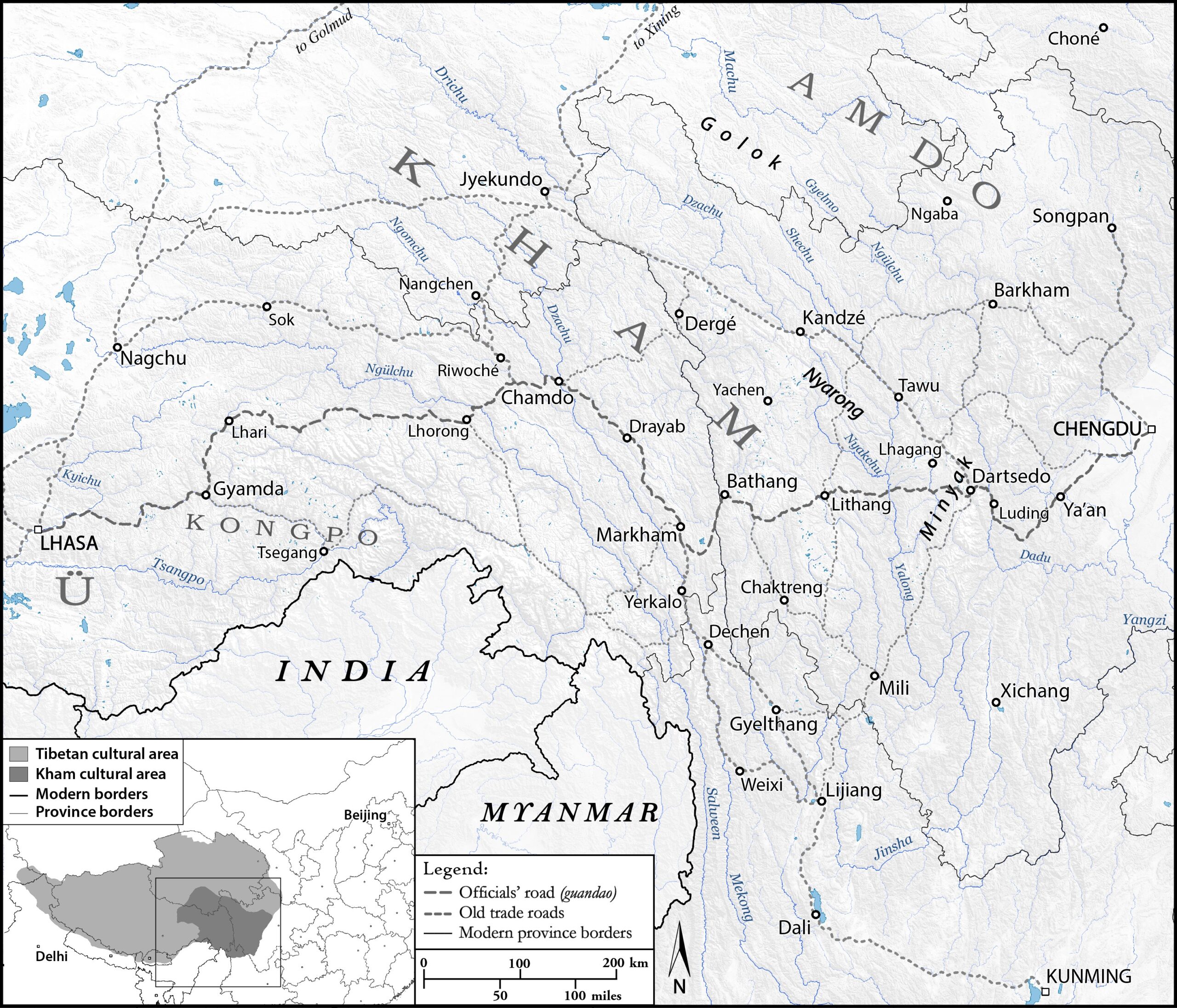
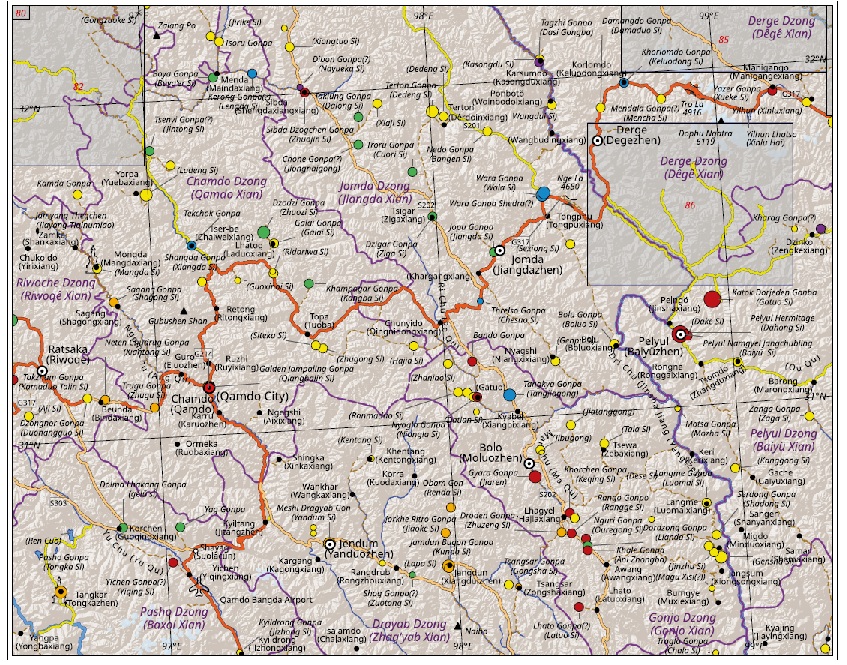
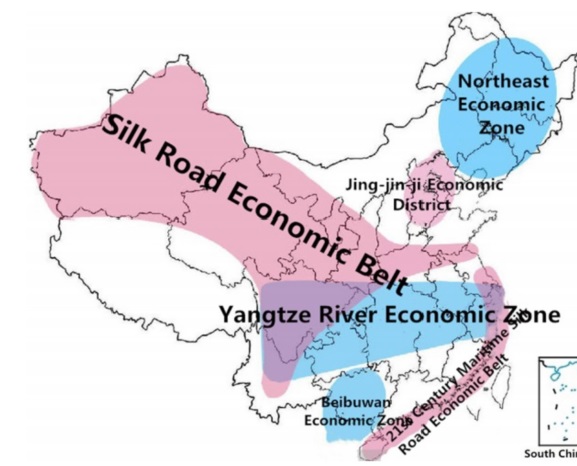
TAR FYP 15: “Support Chamdo in building a sub-central city, creating an important node and open hub integrating into the surrounding economic circle, and a transportation hub; construct a three-dimensional transportation network connecting the heartland and linking Sichuan, Yunnan, and Qinghai; and build Chamdo into a central city in eastern Tibet. Enhance the capacity of the Chamdo Economic and Technological Development Zone; and support the development of clean energy industries, green mining, and cultural tourism. We will plan and construct regional logistics hub facilities, and support the construction of a number of public service-oriented logistics parks and logistics centres in Shigatse, Chamdo, Nyingtri, Nagchu, Ngari. Chamdo will focus on cultural and tourism integration, transportation interconnection, and regional power cooperation to integrate into the Chengdu-Chongqing economic circle and the Yangtze River Economic Belt, promoting cross-provincial regional cooperation.”
China’s ambitions for Nyingtri as a major stopover for highway and railway tourists en route to Lhasa are equally ambitious: “Building a New Economic Growth Pole in Nyingtri. Leveraging its advantages as a pioneer in reform and opening up, Nyingtri will lead the region’s reform and opening up to greater depths. It will serve and support the construction of strategic projects such as the Yarlung Tsangpo Hydropower Project and the Sichuan-Tibet Railway, actively develop related upstream and downstream industries, build a nationally important clean energy base centred on Nyingtri, accelerate the construction of a high ground for scientific and technological innovation and industrial innovation, promote the formation of new drivers for economic growth across the region, and exert a radiating effect on the region’s high-quality development. It will promote the coordinated and integrated development of Nyingtri’s economic and social development and the Yarlung Tsangpo Hydropower Project, advance the integrated development of Bayi-Menling, support the construction of new towns and cities and the expansion of urban areas, and improve the comprehensive carrying capacity of towns and cities.”
In the specific plan of the Yarlung Tsangpo mega hydro build are details of entire villages repurposed to sing and dance and smile as each busload, trainload, plane load of Han tourists arrive. The villages are named.
- Beibeng Township, Medog County, Beibeng Village and other 4 villages, 489 households/2150 people, the entire village has been relocated.
- 3 villages including Duoxiong Village, Pai Town, Menling County, 283 households/1,240 people, partial relocation
- 2 villages including Gongzhong Village, Yigong Township, Bomi County, 247 households/1,110 people, new permanent housing high above Yigong Tsangpo and extreme landslide risk.
| 区域 | 行政村 | 影响户数 | 移民类型 |
| 墨脱县背崩乡 | 背崩村等4村 | 489户/2150人 | 整村搬迁 |
| 米林县派镇 | 多雄村等3村 | 283户/1240人 | 部分搬迁 |
| 波密县易贡乡 | 贡仲村等2村 | 247户/1110人 | 就地后靠 |
Source: Development Reform Commission, Lhasa drc.gov.xizang.cn
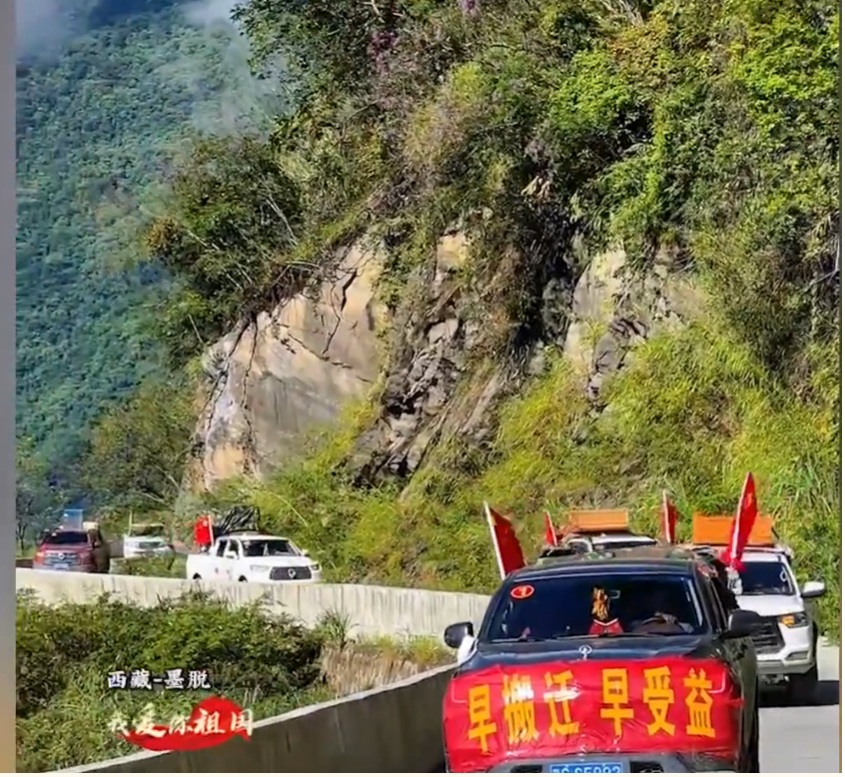
One of the earliest manifestations of the mega project getting under way was the footage of Tibetan and Monpa villagers being driven out, in convoy, to take up a new life on the frontier, no longer farming or raising livestock, dependent on government transfer payments. The tray trucks carrying them into modernity with Chinese characteristics are festooned with big character banners proclaiming their gratitude at being dispossessed. The message: “grateful for relocation, embracing new life” and “move early, benefit early,” 尽早行动,尽早获益, official slogans that present the displaced as smart early adopters, to be copied.
https://media.cnn.com/api/v1/loops/stellar/prod/loop-1-20251205004648528.mp4?c=original
If eastern TAR is now being radically remade as Chinese, so too is Lhasa, as the destination of one of the high voltage power grids under construction. Why does Lhasa need so much more electricity, as it has been supplied for decades by the Yamdrok Tso pumped hydro system and more recently by the cascade of hydro dams in a midYarlung Tsangpo gorge below Tsethang town in Lhoka prefecture (in Chinese both the town and prefecture are Shannan), all much closer to Lhasa?