INSPECTING, CORRECTING, DISCIPLINING, ERASING
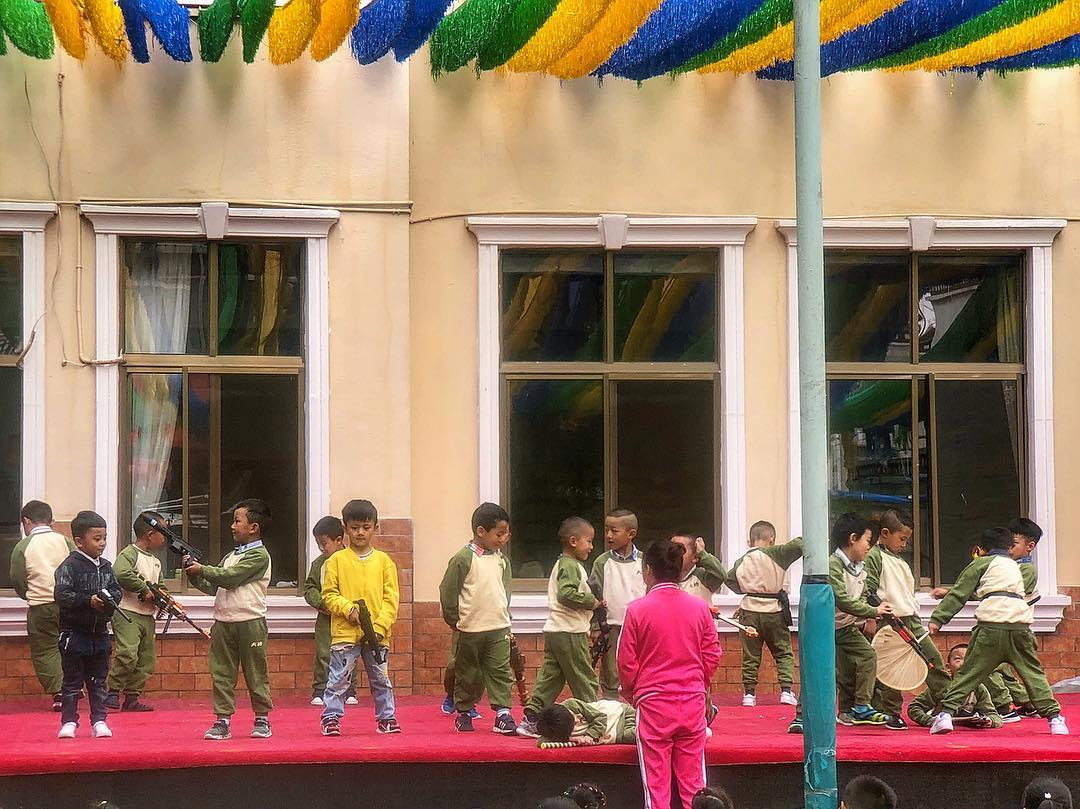
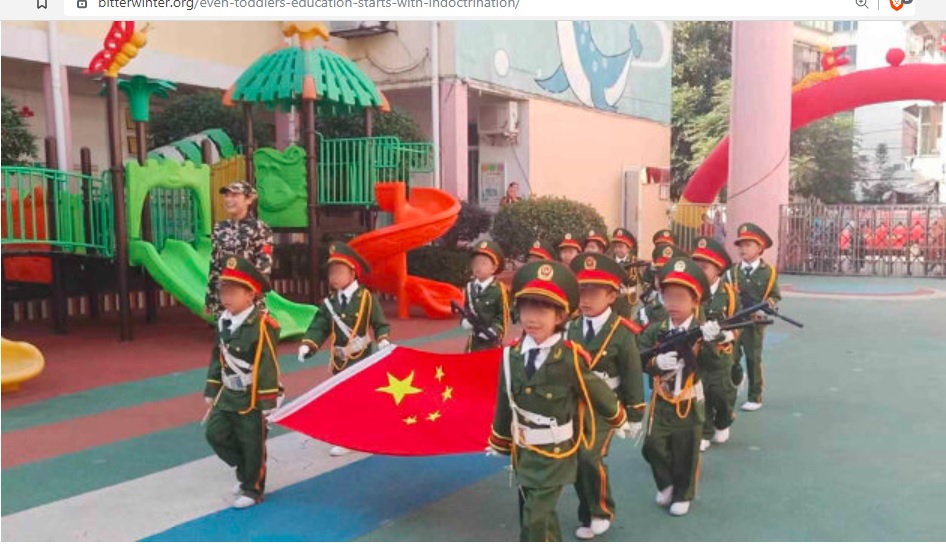
Core leader Xi Jinping was in Lhasa for just one August day, but he brought with him a top-level delegation, who then fanned out to each part of central Tibet, issuing clear instructions as to what must be followed.
So we follow their progress through Shigatse, Lhoka, Nyingtri, Chamdo, Nagchu and Ngari municipalities, and unpack their diktats, all reported by the team from official media who went along, embedded. Looking at their whistle stops provides a clear insight into China’s agenda for central Tibet, Ű-Tsang, and the compulsory direction of future travel. We can track how the suite of official policies add up to an agenda to make Tibet China’s, not only by erasing all past history but also inscribing a new past, of a revolutionary Tibet that readily embraced Mao’s insistence on class warfare.
Beyond the huge Lhasa Municipality, there are six other municipalities that together constitute Tibet Autonomous Region. All seven used to be prefectures, badged officially as Tibetan autonomous, but were “upgraded” to municipal status, which removes any special status for Tibetans. Into a municipality all ethnicities may migrate, none has a privileged status.
They constituted a team of enforcers, spreading across Tibet to make sure the Beijing requirement, of total compliance, is understood and unopposed. That messaging, condensed into slogans that package even more slogans, was aimed not only at the Tibetans but at the cadres and local party bosses, since Beijing suspects them of corruption and formalism, meaning verbal compliance with no zeal or enthusiasm for vigorous enforcement, yet another tick the boxes exercise.
Because the enforcers had messages for different audiences, and the messages referenced a range of official policies, they fanned out, in each municipality, to multiple iconic sites. So we can track where they went, and why, and how the location exemplifies the command.
This is a package, which includes a new past to make the old past of a wholly Tibetan Tibet redundant, and a new future of prosperity in the “warm embrace of the Party.”
TIBET IS NOW XIZANG, TIBETANS ARE NOW “PEOPLE OF ALL ETHNIC GROUPS”
But first, something basic. In the extensive official media coverage, video and print, naming Tibet has almost disappeared, whatever the name, whether it is Tibet, Tibet Autonomous Region or Xizang. The formula now, following muncipalisation, is “people of all ethnic groups”, as in ”the central delegation has, in recent days, carried the deep care of the Party Central Committee and the heartfelt blessings of the people across the country to the snow-capped plateau, bringing the Party’s warmth to the hearts of the people of all ethnic groups”. This has become a standardised formula. In the official http://xztzb.cn/ article reporting this inspection tour, the phrase is repeated four times. Tibetans need not apply for special consideration, not even in their rural-cum-municipal heartlands.
This is foundational. Most cities worldwide attract immigrants, from the countryside, from abroad, into the urban melting pot where no-one has special privileges. According to China’s statistics the total population of central Tibet is 3.65 million, of whom only 1.36 million are urban. Two thirds are rural, forbidden to move long-term to cities, yet all are citizens of municipalities. Rural Tibetans are registered in the hukou system as residentially rural, so not allowed to resettle in cities, yet at the same time they are municipal.
The Beijing delegation came and went so quickly there was little attempt to connect with the rural majority, for whom those slogans make little sense, and the sheep need to be guarded, up on the summer pastures, against wolves. The delegation’s focus was on towns and their cadres, and the big monasteries.
SHIGATSE
The contortions start here. The area of Shigatse Municipality is 182,000 sq kms, six times the size of Belgium. The urban population is under 100,00, which makes it second only to Lhasa. Shigatse/Rikaze received the star personage of the delegation accompanying Xi Jinping, top ideologue Wang Huning.
Wang Huning arrived in Lhasa and Shigatse fully armed with slogans ready. Shigatse is high priority for Beijing, as the seat of the Panchen Lamas, with a long history of Chinese interference in Tibetan internal affairs, to play off the Panchen Lama against the Dalai Lama. Chinese regimes have courted Panchen Lamas but only the party-state has brazenly imposed its own choice of compliant Panchen Lama, over the child recognised by the Tibetan clerisy. Hence the tight smiles as Wang Huning inspected Tashi Lhunpo.
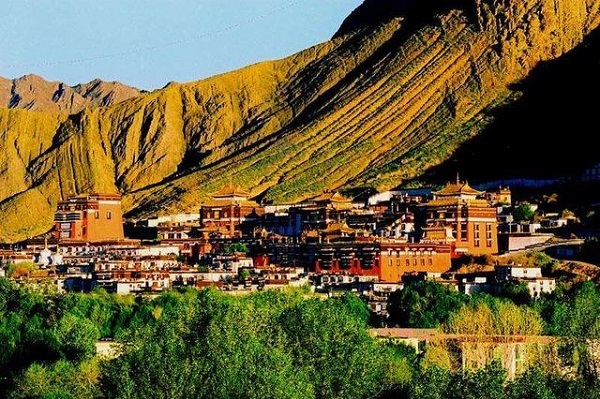
Shigatse has received a lot of Chinese investment, including a railway line extending west from Lhasa, enabling the Shetongmon /Xietongmen copper and gold mine to haul its ore concentrates to far distant smelters. Two decades ago the European Union financed investment in improving agriculture near Shigatse, more recently a chicken rearing industry.[1] Now Shigatse is due for a major upgrade of a railway line to extend far further westward, in parallel with the border with India, then a long way to the northwest, to Xinjiang. Geopolitical reasons matter much more, for a route into the arid, frigid, sparsely populated far west of upper Tibet. Logistical support for troops on the frontline high in the Himalaya.
Wang Huning had already issued his orders to Tibet, in Lhasa: “only under the leadership of the Communist Party of China, by adhering to the path of socialism with Chinese characteristics, the system of regional ethnic autonomy, and the Party’s strategy for governing Tibet in the new era, can we achieve prosperity and progress in Tibet, create a bright future for Tibet, and enable the people of all ethnic groups in Tibet to live a happy and prosperous new life.”
These are blunt demands, non-negotiable, characteristic of Wang’s role as Xi Jinping’s attack dog. Wang Huning is the patriarchal, commanding, legislative voice of the coloniser on a classic civilising mission.
Wang Huning fires the weapons of China’s relentless campaign to make Tibet China’s; he also fashions the weapons. He is the primary author of the key propaganda slogans that superficially sound benign but actually have a deadly mission, nowhere more so than at Tashi Lhunpo, where the entire monastic community must host a Panchen Lama bot trained by Beijing’s large language model to parrot Wang Huning’s slogans.
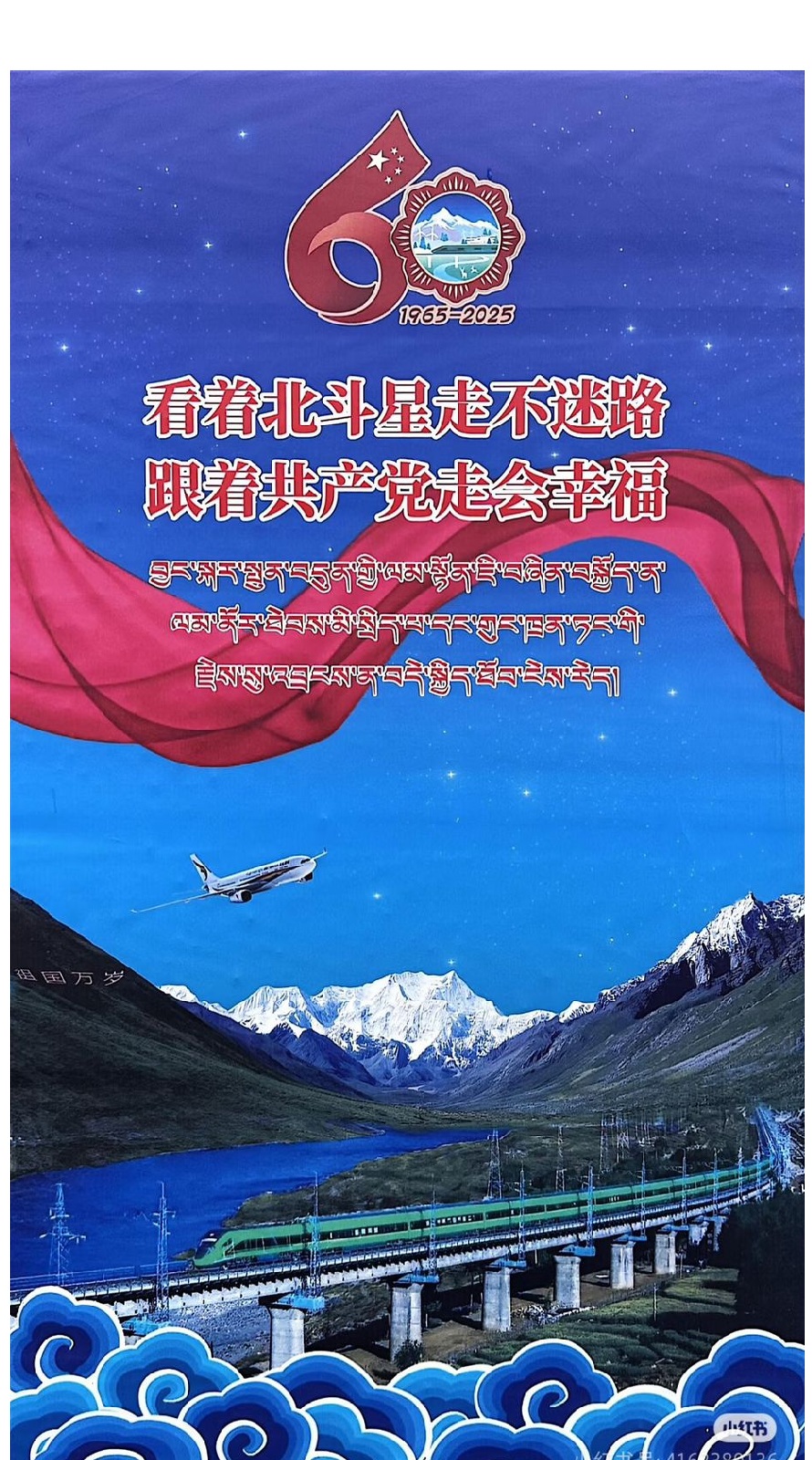
Wang Huning said in Lhasa: “At present and for some time to come, China is in a critical period. We must firmly grasp the main line of forging a strong sense of community of the Chinese nation, grasp well the four major tasks of stability, development, ecology, and strong borders, and strive to build a united, prosperous, civilised, harmonious, and beautiful new socialist modernised Tibet. First, unswervingly uphold and strengthen the Party’s overall leadership. The Communist Party of China is the leadership core of the cause of socialism with Chinese characteristics, and is the most reliable backbone for people of all ethnic groups. Second, unswervingly ensure national security and long-term stability. We must form an iron wall safeguarding stability, ensuring the consolidation of the frontier and security of the borders”.
“Tibet has since ancient times been an inalienable part of China’s sacred territory. Third, unswervingly consolidate and develop ethnic unity. We must deeply advance the. building of the sense of community of the Chinese nation, strengthen exchanges, communication, and integration among all ethnic groups, and enhance the identification of people of all ethnic groups with the great motherland, the Chinese nation, Chinese culture, the Communist Party of China, and socialism with Chinese characteristics, i.e., the five identifications. Without the Communist Party of China, there would be no New China, and therefore no New Tibet. The Party Central Committee’s principles and policies regarding Tibet are completely correct.”
Warfare experts say the lesson of both the Ukraine and Gaza wars is that drones have transformed warfare, not only big drones but also tiny quadcopters that can be remotely piloted to fly through an open window or door and drop a grenade to kill a sleeping family. China makes those drones, and has a huge market of buyers for them in Russia and Israel.



Wang Huning flew right in to Tashi Lhunpo to drop his grenade. Officially #4 in the party-state hierarchy, Wang Huning is in many ways second only to Xi, as the designer of the official ideology of discipline, conformity and compliance, across Tibet and across China.
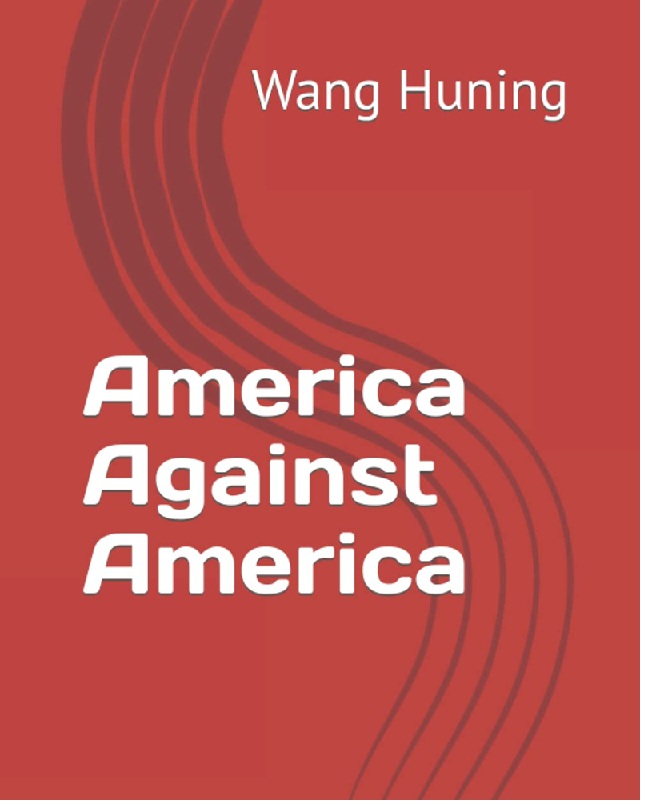
Remarkably, Wang Huning rose to chief disciplinarian by availing of the golden age of Chimerica, spending six months in the US of A, back in 1989. He wrote a book on his sojourn, marvelling at American materialism, entrepreneurialism, aspirations for a Jetson tech future; while at the same time appalled at the lack of discipline, unruly democratic jostling, and racial minorities doing their own thing, disdaining the ruling class. ”America Against America is his uncertain meditation on how the United States achieved these feats, and, by extension, what China might do to one day match them.”[2]
Wang Huning’s ambivalence about American contradictions resolved itself, in his vision of a China that could achieve every wealth generating initiative the Americans were so good at, including “farsighted Pentagon budgeting and base building, in the money Americans pump into the university education system, and in the fantastic engineering marvels Americans build. Wang specifically points to the Strategic Defense Initiative aka. Reagan’s Star Wars program.” But future China should do so in a highly disciplined, controlled, directive way, thus surpassing the American role model.
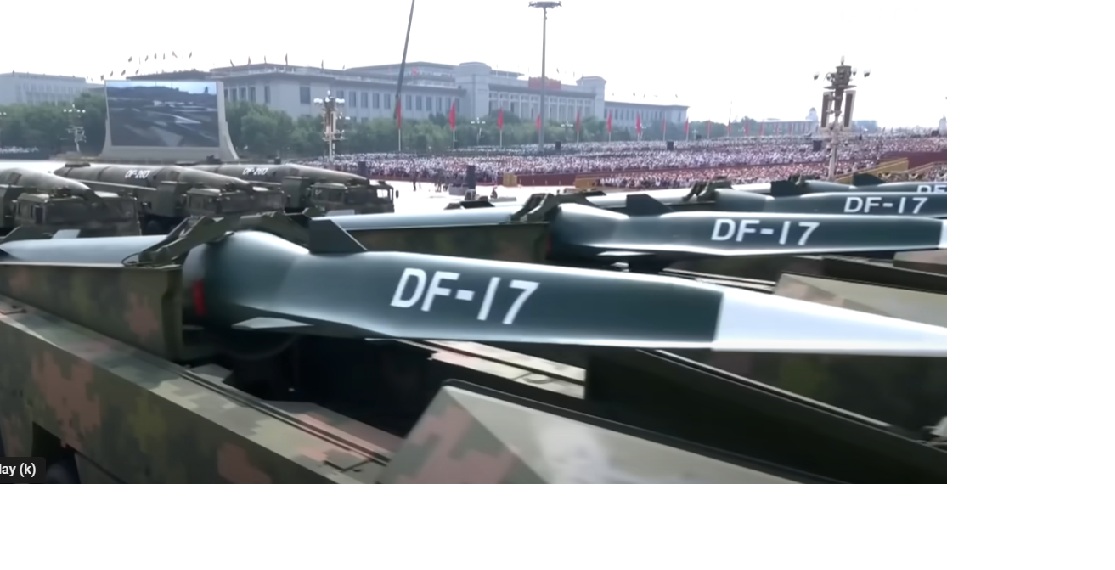
Thus it came to pass. In 1989 Wang Huning was 34, an academic, invited by Iowa U. Back in China he remained an academic, while coining some of the key slogans embraced by Jiang Zemin and Hu Jintao. It was when Xi Jinping took full control, in 2012, that Wang Huning joined the CCP Politburo, forging so many of the slogans of the neo-authoritarianism he advocated as China’s shortcut to American greatness.
LHOKA/SHANNAN
While Wang Huning flew to Shigatse another top level personage came to inspect Shannan municipality, south of Lhasa. In other municipalities the town is also the name of the prefecture-cum-municipality, but the town is Tsethang and the prefecture has always been known to Tibetans as Lhoka ལྷོ་ཁ།. Both Lhoka and Shannan mean south of the mountains. Now that Shannan became a municipality the town of Tsetang/Zetang is hardly mentioned any more, it is all Shannan city now.
The importance of Lhoka to Tibetans is as birthplace of early kings, and early adopter of Buddhism.[3] To China the importance of Shannan is geopolitical; it not only borders India and Bhutan but routinely annoys India by claiming India’s Arunachal Pradesh state as South Tibet.
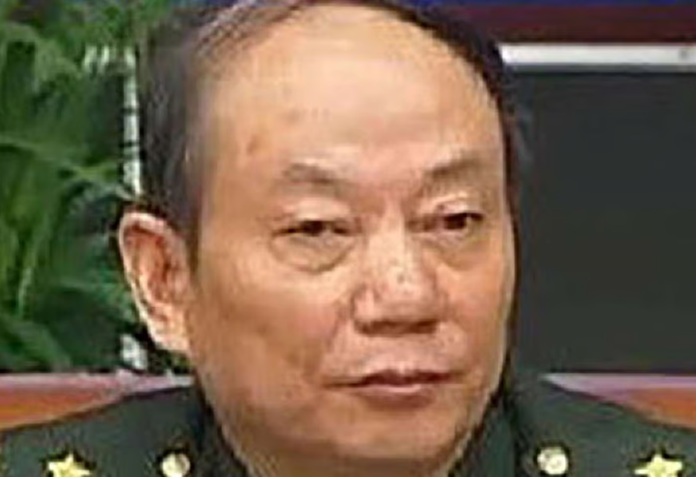
So the delegation was led by a PLA General, Zhang Shenmin, 张升民, who then “visited the Shannan Military Sub-district and grassroots units, inspecting the development of grassroots companies and greeting officers and soldiers. Zhang Shengmin pointed out that Shannan City should continue to pay close attention to the four major issues of stability, development, ecology, and strengthening the border; develop plateau-specific advantageous industries.” Has India noticed his August 2025 visit?
General Zhang had much else to do, in a short time, in Lhoka. In Nedong county he briefly inspected Tashi Choden village/Zhaxi Qudeng Community, a village known for its traditional opera and dance and recently developed into a tourist area, where villagers perform authentic replicas of traditional song and dance, when tour groups arrive from Lhasa, not far. [4]
Then General Zhang went to another village increasingly popular with a different segment of China’s tourism market, the red gene patriotic tourists drawn to the revolutionary past of “old Tibet”, when serfs stood up and initiated class war against the feudal aristocracy, at the urging of Party activists.
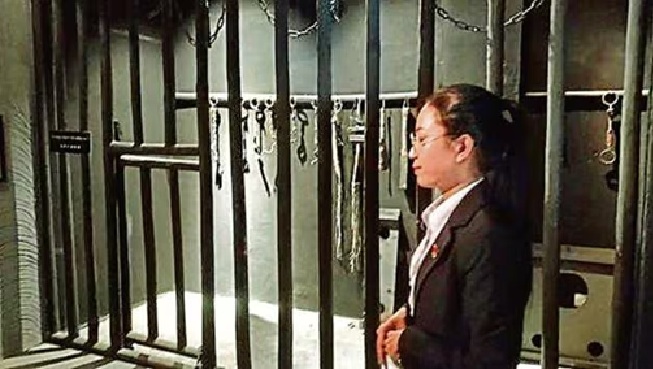
Tibet is being retrofitted with a new past, replacing all those stories about ancient kings whose armies conquered the capital of ancient China, best forgotten. Kesong is fast becoming famous as “the first village of democratic reform in Tibet.” The story now is that “in June 1959, the epoch-making democratic reform of Tibet began in Kesong Village. In December of the same year, the first rural branch of the Party in the Tibet Autonomous Region was established in Kesong Village. Into the Kesong village, the red and white traditional colours of the first village of democratic reform a Tibet exhibition hall stands solemnly, next to a specially significant Tibetan adobe house – the old site of the party branch. This building was built in 1959, the wall is made of a piece of adobe. It has witnessed the glorious course of people’s ownership and construction of new homes on the snowy plateau.”
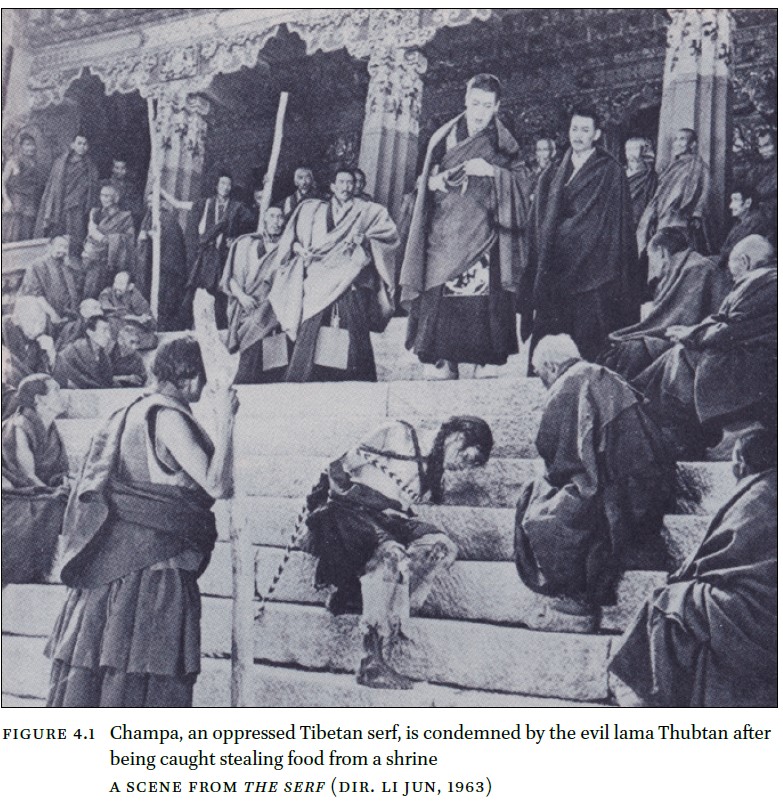
This concoction today attracts 20,000 patriotic Han tourists a year, a number growing fast. Supposedly embedded in local memory, yet the party branch building crumbled in recent years, back to the mud and straw it was made of; but the party-state stepped in: “In April 2024, Shannan Naidong District Procuratorate prosecutors in the mapping of cultural relics and cultural heritage protection found that, due to the long-term negligence of management and maintenance, in Kesong village party branch the old house leaked, walls collapsed, damage and other circumstances, urgent need to repair and protection.” The prosecutors sprang into action, urging “relevant heritage conservation units, the administrative department in charge of the need for urgent repair, clean up the debris, long-term care and other rectification recommendations.”
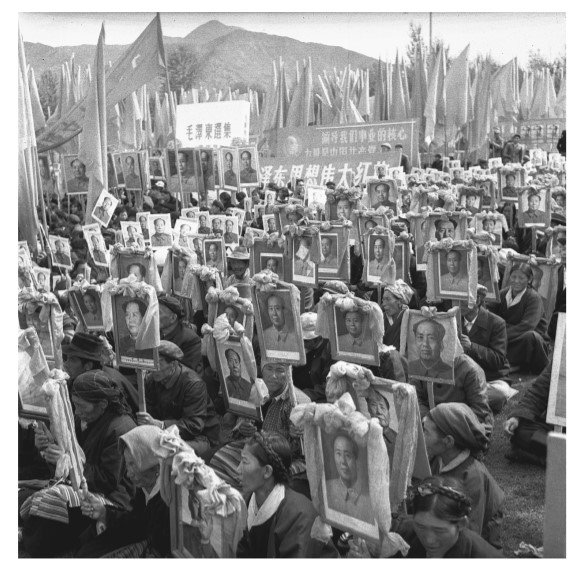
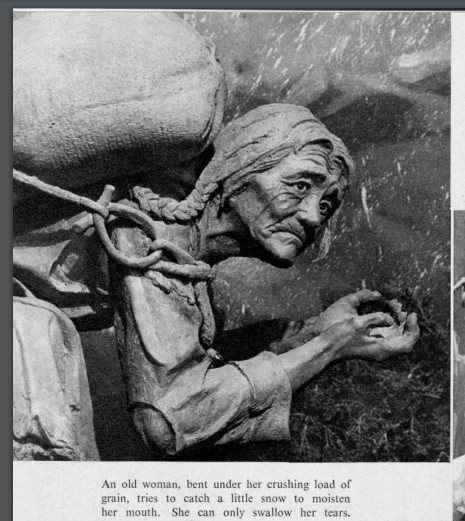
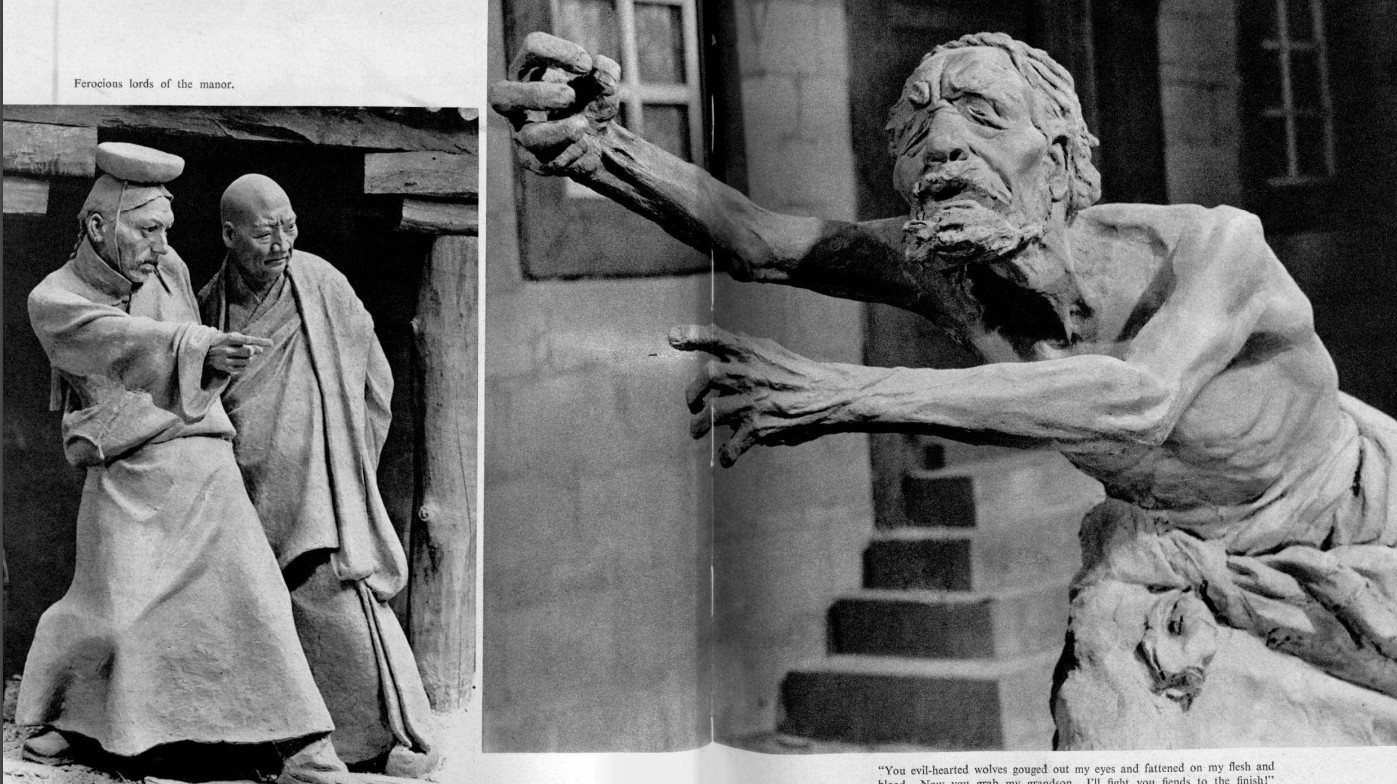
Now all is again well, not only is the rude adobe hut rebuilt, but next to it a ritual display of the horrors of old feudal Tibet, retrofitting a new past.
This has been the making of Kesong, now a Potemkin model village. Tibet has a new past.
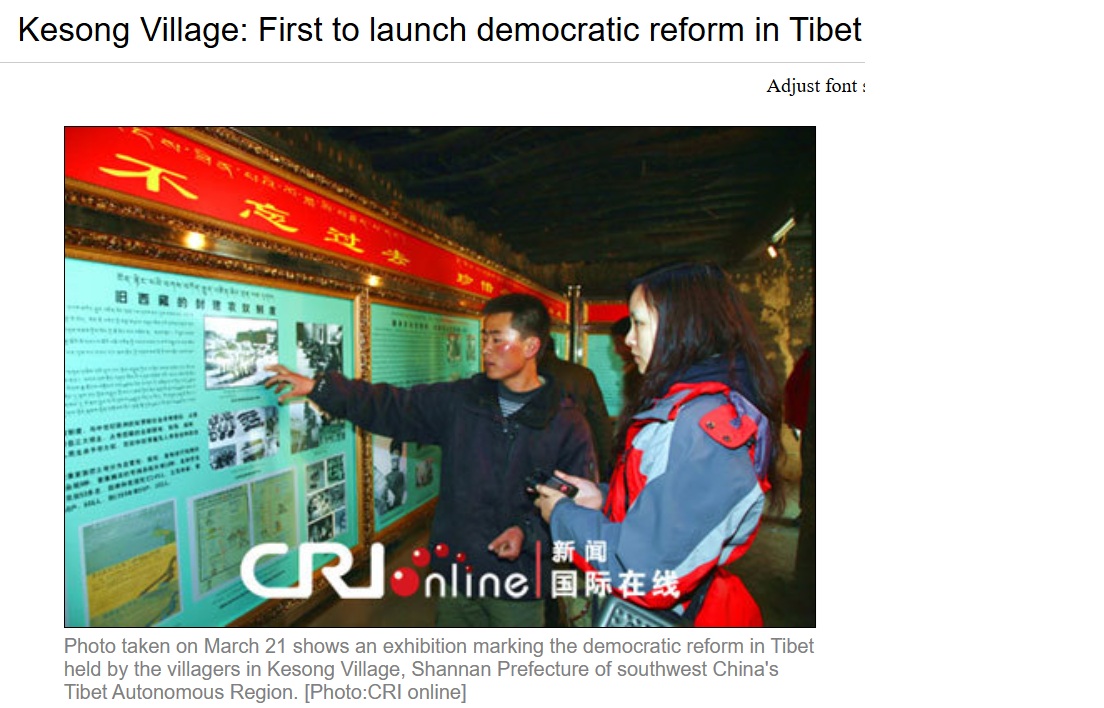
General Zhang’s blessing of red Kesong adds further to brand recognition of this new destination. “Kesong Community has also been designated as a ‘Patriotic Education Base of the Tibet Autonomous Region’ and a ‘National Unity and Progress Education Base of Shannan City.’ It has become a popular tourist destination in Naidong District and a key platform for promoting ethnic unity and progress. It has also become a crucial venue for inspiring patriotic enthusiasm, rallying people’s strength, promoting national spirit, and inheriting the revolutionary legacy. Every year, Kesong Community welcomes nearly 20,000 Party members, cadres, and residents for visits and study sessions. During peak periods, there were as many as ten visiting groups per day, and the number of visitors has been increasing year by year.”
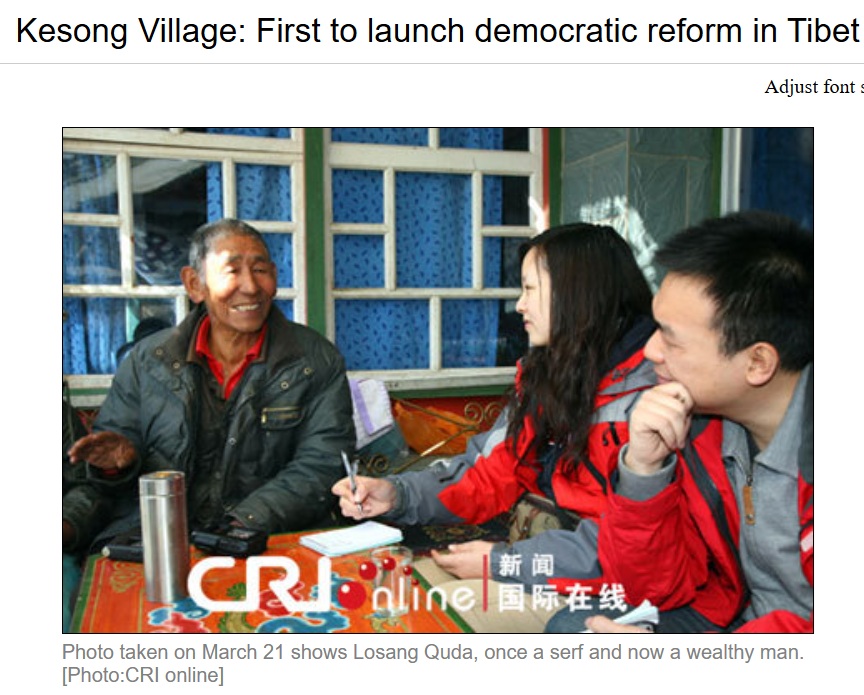 The party-state has done what it largely failed to invest in across rural Tibet, investing in supplying tractors and modern farm gear. The Nedong county government website explained in 2024: “Today, Kesong Community has reached 100% agricultural mechanization, with 23 pieces of agricultural machinery: eight harvesters, four tillers, eight seed drills, one corn harvester, one mower, and one baler.” But the best evidence of the benevolence of the party-state is how many of Kesong’s young adults have left, to work in distant city factories: “By 2023, over 210 of the community’s 880 residents were working permanently away from home.”
NYINGTRI/LINZHI
Another Tibetan prefecture-cum-municipality is Nyingtri/Linzhi, further downriver on the Yarlung Tsangpo, now the site of a massive project to extract electricity from its streamflow.
Nyingtri town is growing fast, marketed as a Han Chinese tourism destination, pitched as a hill station for the new rich of Chengdu to escape the muggy heat of summer. But the “municipality” of Nyingtri has until recently been almost entirely rural, in Tibetan eyes a pure land,[5] lacking in investment or development, except for the STEC, shorthand for the Sichuan-Tibet Engineering Corridor of highway, high-speed railway under construction and eventually the power grids that export hydroelectricity from the new megaproject to capture the energies of the Yarlung Tsangpo just before it becomes India’s Brahmaputra.

China is rapidly building a national carbon emissions trading system which, in theory, enables upriver communities who provide hydro-electricity, to receive payment from carbon emitting polluters, But there is no sign at all that Tibetan communities near the many dams constructed on Tibetan rivers, will receive anything other than eviction.
Nyingtri municipality, though long neglected, is now a frontline of national security, since it has a long border with India. So the Xi Jinping delegation enforcer flown in to deliver orders to Nyingtri had to be someone who knows how to implement the party-state will in Tibet: Hu Chunhua.
Son of farmers, Hu Chunhua was sent to Tibet in the 1980s, when national Premier Hu Yaobang was in power, the most liberal period of China’s power over Tibet. Hu Chunhua had specialised in agriculture and rural policy, and reached Tibet when Premier hu Yaobang was urging Han cadres to learn to speak Tibetan, or leave. If there was a time when Tibetans, still recovering from the Cultural Revolution’s destruction, could have benefited from accessing investment funding to improve agriculture, it was in the 1980s. Official policy encouraged Township and Village Enterprises (TVEs) to add value to rural produce, processing Tibetan raw greasy wool into clean, scoured wool ready for distant woollen mills. Within a few years the wool cleaning enterprises in Tibet all went broke, because they were not community initiatives, genuine social enterprises. They were owned and run by county cadres as their money making schemes, but greedy cadres built wool scouring plants too big, seeking to source not only sheep, goat and yak wool from their county, but nearby counties as well. A ruinous price war erupted.
Greedy local government cadres then tricked the Shanghai woollen mills by adding stones to the weight of baled wool, they had supposedly cleaned free of all grit. Inevitably the woollen mills, which spin high quality wool, attracting fashion houses from Italy, gave up altogether on sourcing semi-fine wool from Tibet, turning instead to synthetics, and sourcing wool imported from Australia.[6] The big losers were the Tibetan pastoralists, who had been promised comparative advantage would lift their incomes.
Hu Chunhua’s many years in Tibet were not a success. Although he held power for an unusually long time in Tibet, 1987 to 1997 and 2001 to 2006, he was better at inhouse party politics than comparative advantaging rural Tibet, and has become a loyal enforcer for Xi Jinping, even though he is associated with the rival Communist Youth League faction of CCP.
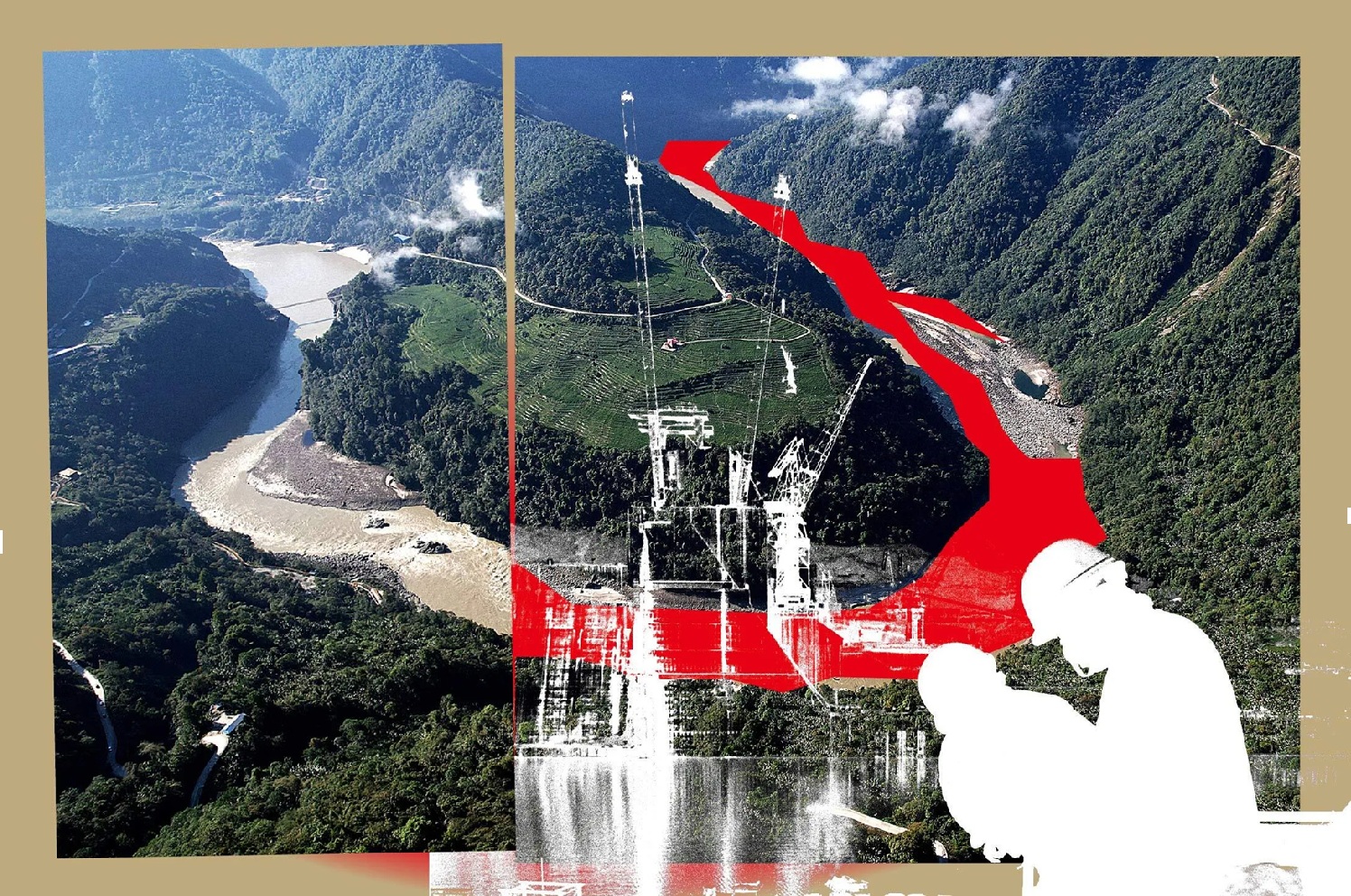
In 2025 he was once again on the frontline, because the construction of a massive hydropower tunnelling project has become a national security priority. This headlining extraction of electricity from water flow has potential to make China the world leader in dam building and “green energy” installations that surround hydro, all plugged into ultra-high voltage power grids, another industry China now dominates. China claims to lead the Global South, around 100 countries.
A build that may take a decade will overwhelm a remote but geostrategic corner of Tibet, inscribing Chinese characteristics deep in the rock below a major mountain, Namchak Barwa. The workforce brought in, the tech, the memes, the influencers, the patriotic pride, the new access roads, the tunnels and grids, the massive turbines and logistic support can make this remote corner wholly Chinese, an engineering achievement as great as landing on Mars.
Who better than Hu Chunhua to deliver this message, in his one day in Nyingtri town? Official media reported his instructions: “Hu Chunhua stated that Linzhi has made tremendous progress in its economic and social undertakings, achieving overall social harmony and stability. He emphasized the need to further strengthen the sense of community among the Chinese nation, capitalize on opportunities presented by serving the implementation of major national strategies, focus on the four key areas of stability, development, ecological environment, and strengthening border areas, and strive to promote the practice of Chinese-style modernization in Linzhi.”
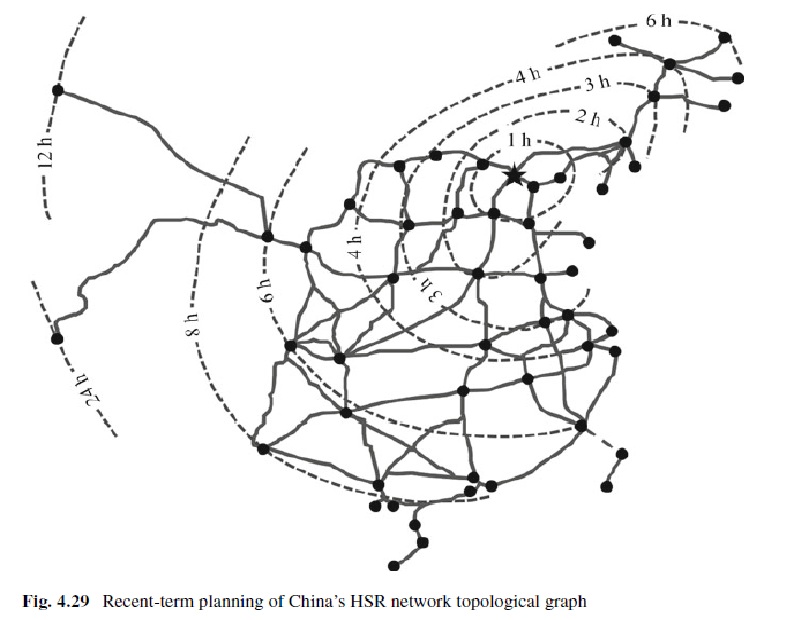
Strictly on message, including the now mandatory meet and greet with “all ethnic groups”, no mention of Tibetans. No need to stress the Yarlung Tsangpo hydro build, or the Chengdu to Lhasa high speed railway which traverses Nyingtri 200 kms east to west, as Xi Jinping in Lhasa had already identified these two upscale nation-building projects as top priority: “We must advance the construction of major projects such as the Yarlung Tsangpo hydropower project and the Sichuan-Tibet Railway in a vigorous, orderly, and effective manner.”
ON AND ON
To further document the delegation inspections of Chamdo, Nagchu and Ngari prefectures-cum-municipalities would be tediously repetitive, as the script remains the same.
“Zhang Guoqing, Member of the Political Bureau of the CPC Central Committee, Vice Premier of the State Council, and Deputy Head of the Central Delegation, led the Qamdo [Chamdo] delegation…..
Li Ganjie, Member of the Political Bureau of the CPC Central Committee, Minister of the United Front Work Department of the CPC Central Committee, and Deputy Head of the Central Delegation, led the Ali [Ngari] delegation…..
Losang Gyaltsen, Vice Chairman of the Standing Committee of the National People’s Congress and Deputy Head of the Central Delegation, led the Nagqu[Nagchu] delegation.”
You get the picture. Tibet must obey.
A MENU OF DISEMPOWERMENT AND DISPLACEMENT
Recapping: what is China’s message to all Tibetans, but especially those working in local, municipal and regional government, and in monasteries trusted by surrounding communities for reliable guidance?
- The Party must be obeyed, compliance must be complete, the Party’s interests always come first. Obeying the Party means memorising the commands of Xi Jinping, and implementing them.
- The entire Tibetan Plateau is designated an ecological security barrier against hostile external forces, but in order to fulfil this function much more securitisation is necessary. Frontier construction is incomplete, the borders with India are a high security risk, which only Tibetans can patrol, due to high altitude.
- Stability is mandatory. Crowds, protests, petitions, arguing with officials are not allowed, and are to be crushed quickly and effectively, prevented from spreading.
- Tibetans are first and foremost Chinese, the gateway to the future is the Chinese language, Tibetan is incidental, backward, irrelevant.
- Future Tibet will prosper, by intensifying meat production on large scale agribusinesses that amalgamate multiple small holdings. The new meat production bases will combine feedlots, slaughterhouses and cold chain logistics to get meat branded as clean and green to China’s huge urban consumer market. Automation and economies of scale will mean few Tibetans will be needed. In the name of ecological repair of degraded patches rural Tibetans are removed from core areas. This fulfils development of Tibet, plus new urban based industries such as big data processing.
- Major landscapes are to be designated national parks, primarily to protect the uppermost sources of China’s water supply. This fulfils the promise of constructing ecological civilisation.
- Much of Tibet is classified as counties of endemic, contiguous poverty, so lacking in factors of production the solution is to remove rural families to resettle elsewhere.
- Development, intensification of land use production, ecological recovery and poverty alleviation all require removal of rural Tibetans, cancellation of land use certificates.
- Removed and relocated Tibetans are taken to new frontier villages, required to patrol high altitude border districts.
- Tibetan Buddhism is part of Chinese Buddhism, not an alien religion, but it must be further Sinicised to conform to Party policy. This requires intensive guidance by teams of cadres stationed permanently inside monasteries who conduct intrusive, disruptive study sessions that ensure everyone has memorised Xi Jinping’s policy slogans.
- The party-state legislates detailed regulations to make all these demands legally enforceable. Severe punishments await those who infract. In addition to regulations announced in Lhasa, new national laws are under way, at the National Peoples Congress on 29 August 2025:
Law of the People’s Republic of China on Promoting Ethnic Unity and Progress
中华人民共和国民族团结进步促进法
There is a coherent circularity inherent in these many policies. Security comes first. Security along the frontiers is labour intensive, lots of patrols to guard against incursions by hostile forces. Where to find sufficient labour, capable of functioning at high altitudes? Depopulate Tibet’s remote rural areas living beyond the gaze of the party-state. In the name of ecological recovery, poverty alleviation and water provisioning; direct all the displaced to new frontier villages to man the patrols.
This suite of internally consistent policies ignores China’s strong commitment to food security, respecting land use rights, comparative advantage and endogenous development. Instead these requirements demobilise customary mobile managers of extensive pastoral landscapes, fixing them in place in remote frontier villages where development opportunities are few, income limited to rations handed out by state transfer payments, requiring in return gratitude, and border patrolling.
Is it possible to discern a shape to this package? Development is a promised goal, but development usually is about financing for enhancing productivity, value adding, market access, none of which are provided to rural Tibetans still on their farms and pastures.
DOES CHINA HAVE A REPLACEMENT THEORY?
If there is a single word that encompasses all of China’s Tibetan campaigns, it is replacement.
Extensive land use and pastoral production are replaced by intensive agribusiness. Protected areas are meant to return to wilderness, but without customary custodian residents, to be readied for mass domestic tourism influx. Primary and secondary industries are replaced by urban service industries such as data centres, predictive policing, logistic hubs, inland ports. Small scale local production is replaced by massive nation building infrastructure projects, including extraction of minerals and electricity from river flow, as well as engineering corridors for highways, railways and power grids, all designed to lock Tibet into China.
Conventional development economics would mobilise scattered rural Tibetans to take up urban employment, probably as entry level gig workers on construction sites, taxi and delivery drivers etc. together with family settling into urban life, even if precarious. In Tibet hukou rural/urban household registration remains in force, even pilgrims to the holy city of Lhasa find it hard to get permission to reach their destination.
Putting all aspects of party-state practice together, Tibetans are being demobilised, fixed in place where surveillance tech monitors intensively. Instead of enhancing production, displaced and relocated Tibetans are reduced to dependence on transfer payments. Demobilisation and dependence are the opposite of development.
The Tibetan economy is being replaced by a modern economy imposed from above, without linkages. This new economy is designed to supply China with raw materials, energy and security; no connection with Tibetan needs. The new economy is concentrated in enclaves, including mineral extraction enclaves, urban enclaves, corridor enclaves, energy extraction enclaves, industrial processing enclaves.
FEUDALISM REBORN?
If we try to sum up the multiple Chinese inscriptions into Tibetan lands, and the dependence of disempowered Tibetans on the party-state, we could say this is the return of feudalism.
This is deeply ironic, since feudalism is China’s core descriptor of what it liberated Tibet from. To this day museums are built across Tibet to display instruments of torture deployed by the feudal aristocracy to torment regular folks, the most recent is Kesong red tourism village in Nedong county south of Lhasa.
Liberating Tibet from feudalism and serfdom are China’s core justification for what otherwise would be called invasion, followed by full scale war 1956 to 1958, followed by compulsory communisation and famine 1960-1962, followed by Cultural Revolutionary violence smashing everything old, liquidating the remaining feudal lords. Two decades of revolutionary violence.
Were Tibetan farmers and pastoralists vassals of feudal lords in Tibet? The relevance of a European concept based in medieval European history has been vigorously debated.[7] But China sticks with its adherence to those European categories, having inherited them via Lewis Henry Morgan, Karl Marx and Josef Stalin.[8] This enables China today, as in the 1960s and since, to deploy a dramatic pairing of opposites, from darkness to light, backwardness to progress.
Our focus is the present, at a time when technofeudalism has taken off as a vivid meme for the disempowered online user who is bombarded with ads calculated to seduce, because the tech lords know you so well.[9] Feudalism has again become a descriptor of the role of the individual in a world dominated by massive tech platforms that extract data from users, then massively monetise their mining of minds.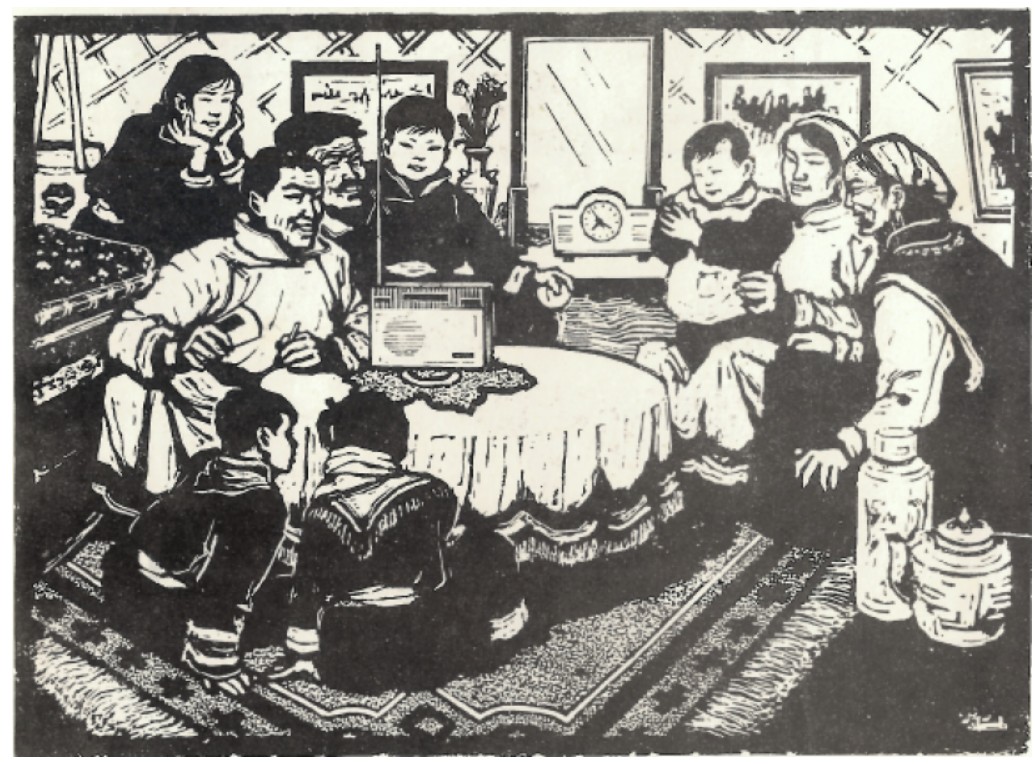
If technofeudalism is a valid term for the online world run by tech billionaires, it applies to Tibet as well, since China has built 5G connectivity all over Tibet, there are more smart phones in Tibet than Tibetans, and apps compulsorily installed on smart phones feed data to security state data hubs which algorithmically identify patterns of anything deviant, for predictive policing.[10]
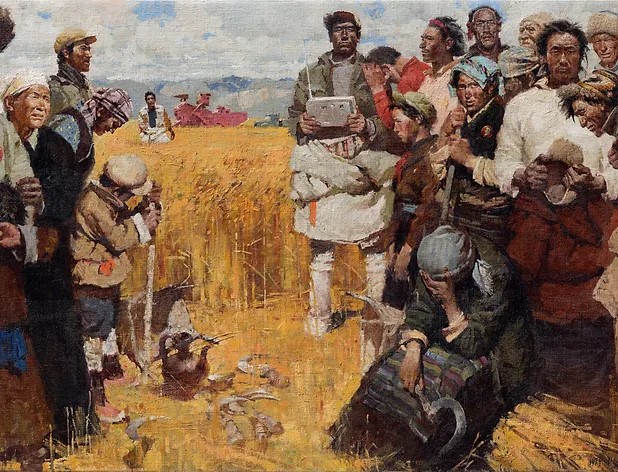
Medieval European feudalism and modern technofeudalism both are useful ways of understanding the disempowerment of Tibetans,[11] which now includes the substantial class of Tibetans who became cadres, joined the CCP, and expected to rise. Now they too are increasingly disempowered, marginalised, relegated to the periphery of power, as China’s campaign to wholly Sinicise Tibet gathers momentum.
A dataset of more than 12,000 cadres from 2010 to 2024 shows that ethnic Tibetan cadres are increasingly relegated to powerless People’s Congresses and the Chinese People’s Political Consultative Conferences, while Han cadres increasingly dominate key government positions and Party institutions. Following the 2008 protests across Tibetan regions, the changes in Tibetan political representation underline major shifts in China’s governance strategy in Tibet, diluting the preferential policies which for more than 50 years were official policy, encouraging Tibetans to govern Tibet, in line with Party policies. Five decades of work to recruit Tibetan cadres is, under Xi Jinjping, being steadily undone [12]
ABSOLUTISM
The centralisation of power in the hands of the Party bosses who in August 2025 issued orders to every Tibetan prefecture goes far beyond the dispersal of power under feudalism. While feudalism, old or new, is relevant for identifying vassalage, old or new; feudalism also connotes a dispersal of power, into the hands of feudal lords, on their landed estates or tech platforms, a dispersal that no longer fits today’s Tibet. As Wang Huning said in Lhasa: “Without the Communist Party of China, there would be no New China, and therefore no New Tibet. The Party Central Committee’s principles and policies regarding Tibet are completely correct.”
This is worse than feudalism. Absolute power is in the hands of a ruling party with active support from its 100 million members. In this unique party-state, one man is in command. Xi Jinping’s wordsmith, Wang Huning, said in Lhasa “only under the leadership of the Communist Party of China, by adhering to the path of socialism with Chinese characteristics, the system of regional ethnic autonomy, and the Party’s strategy for governing Tibet in the new era, can we achieve prosperity and progress in Tibet, create a bright future for Tibet, and enable the people of all ethnic groups in Tibet to live a happy and prosperous new life.”
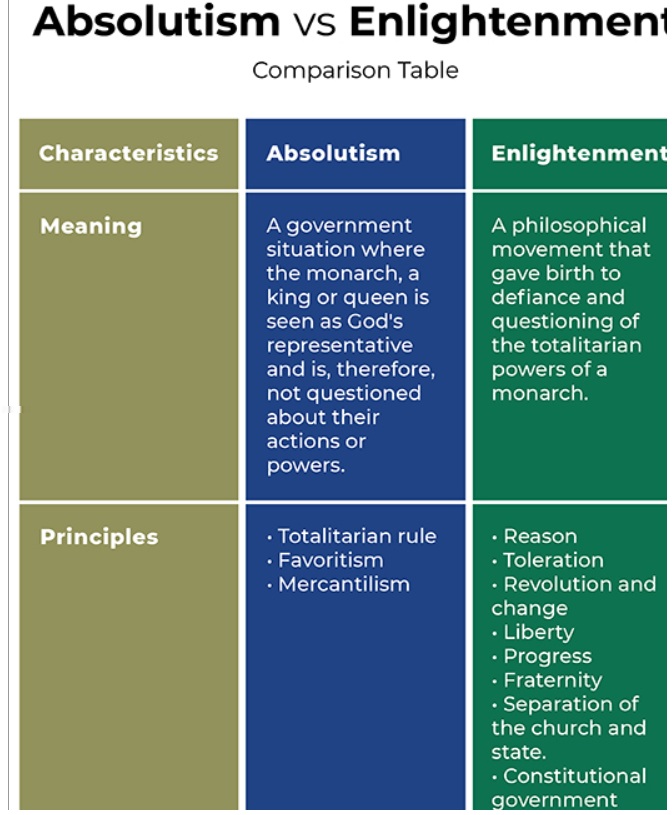
If there is a relevant model from European history, it is absolute monarchy, the divine right of kings to decide everything, exercising power over each and all, declaring their absolute power beneficial for all. In Europe kings, with their armies and monopoly on violence, overpowered the feudal lords and seized their landed estates.
If there is modern slavery, there is also modern feudalism, and modern absolutism, with Xi Jinping’s China leading the way.
LOOKING FORWARD
Yet it is hard to find an audience for this conclusion, in a world where China presents itself, to other governments, as a bastion of stability, mutual respect, cooperation, well-being among friends and partners.
Xi Jinping, addressing the 40% of humanity assembled at the 2025 Shanghai Cooperation Organisation (SCO) makes a compelling pitch embracing China’s growing sphere of influence: “We should seek common ground while putting aside differences. Shared aspirations are the source of strength and advantage, and the will to seek commonality while shelving differences reflects vision and wisdom. SCO member states are all friends and partners. We should respect our differences, maintain strategic communication, build up consensus, and strengthen solidarity and collaboration. We should make the pie of cooperation bigger, and fully utilize the endowment of every country, so that we can fulfill our responsibility for peace, stability, development and prosperity in the region.
“Second, we should pursue mutual benefit and win-win results. We need to better align our development strategies and promote the high-quality implementation of the Belt and Road Initiative, so that in planning and building relevant projects together and benefiting from them together we can strengthen the momentum of regional development and improve the well-being of the people. We should leverage the strengths of our mega-sized markets and economic complementarity between member states, and improve trade and investment facilitation. We should march toward modernization hand in hand by bringing out the best in one another and working together for a shared future.
“Third, we should champion openness and inclusiveness. The vast land of Asia and Europe, a cradle of ancient civilizations where the earliest exchanges between the East and the West took place, has been a driving force behind human progress. Since ancient times, people of different countries have bartered and traded for mutual benefit and learned from each other. SCO member states need to enhance mutual understanding and friendship through people-to-people exchanges, firmly support one another in economic cooperation, and jointly cultivate a garden of civilizations in which all cultures flourish in prosperity and harmony through mutual enlightenment. Fourth, we should uphold fairness and justice.”
Is it possible China can be so inviting, open minded and friendly to all 14 states it shares borders with, and beyond; yet within its borders relentlessly coerces a major cradle of ancient civilisations to cancel their identity, language, culture? How is such a contradiction possible? Cognitive dissonance?
Since Xi Jinping plans to live 150 years -so he told Putin- he may be in command long enough to accomplish his demands.
One way of grappling is to look closely at China’s promises to its neighbours. “SCO regularly holds military exercises, usually branded as anti-terrorism efforts. An unstated purpose of these activities is rehearsal for suppressing domestic rebellions with the help of foreign forces—as Russia did in Kazakhstan in January 2022. Both China and Russia play the main role in these exercises, with Beijing frequently including units of the People’s Armed Police, a paramilitary force used primarily for domestic repression. But before 2022, Russia was seen as the primary security patron for the region—a status it attempted to maintain after the collapse of the Soviet Union—while China’s role was principally economic. The problem for Russia is that China has become a far more plausible security guarantor.”
SCO does not cultivate a garden of civilisations, it is an agreement between states, especially the ruling parties, to keep each other in power when the citizenry rises in protest. SCO and other police forces arm themselves with lethal weapons bought from China’s state-owned Norinco weapons maker, to quell the mases.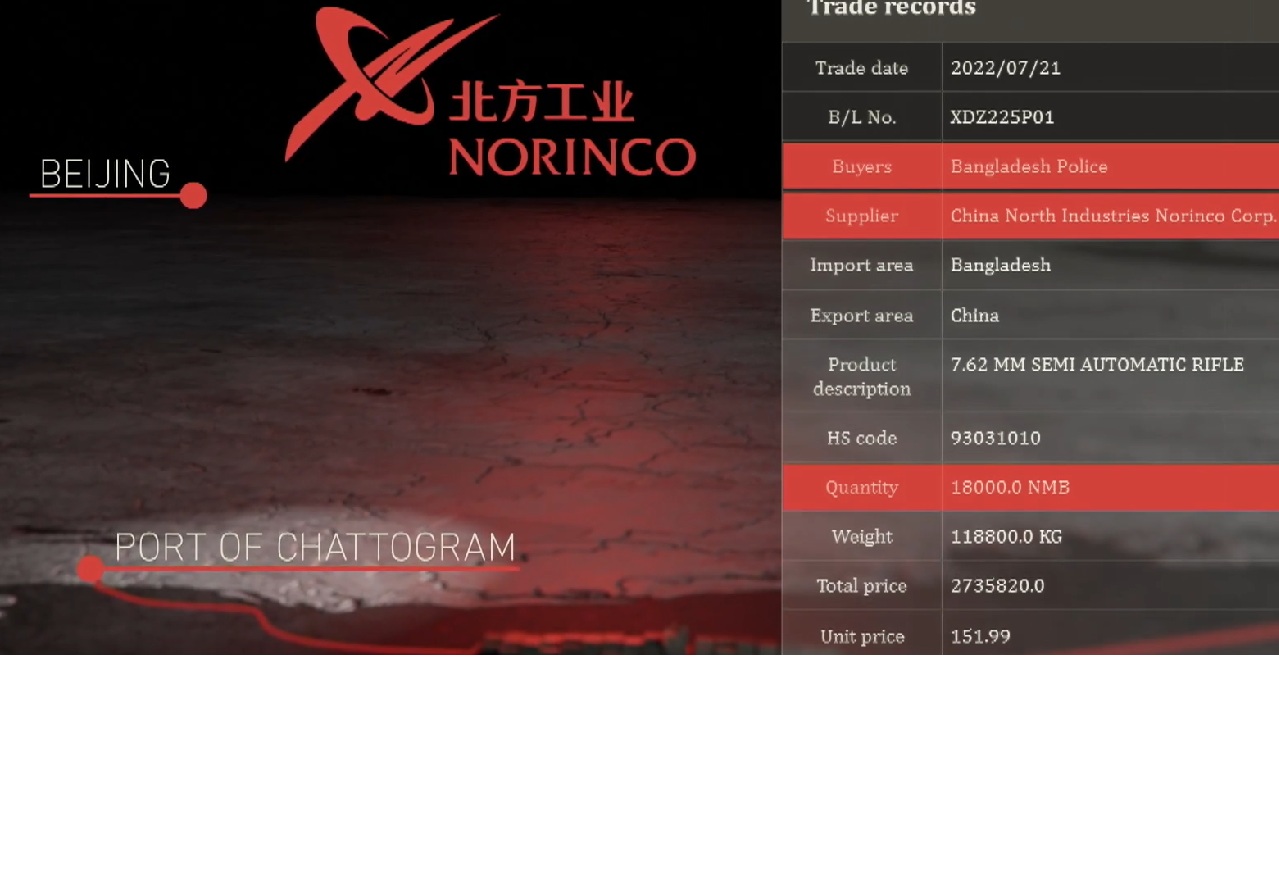
LOOKING BACKWARD
However, China does train its internal and external gaze very differently. Wang Huning and Xi Jinping in Lhasa were full of threats and commands, amid elaborate stagings of spectacle. The spectacular party-state has a frontier construction theory that classifies Tibet as a national security risk, simply because Tibet is full of Tibetans. At its core, it is that simple.
China looks behind, to its far western frontier, and sees in Tibetans only hillbillies, for whom the Party’s interest do not come first. Partly this is because party-speak makes no sense. Then you discover “promote the construction of the Chinese nation’s community” means abandoning one’s mother tongue, opting instead to believe not only are you really racially Chinese, so too were all your deluded ancestors.
Xi Jinping flies to Lhasa to inspect his campaign to rectify the minds of the Tibetans. On cue amassed Tibetans duly perform in song and dance their enthusiasm for discovering they are actually Chinese, embracing Chinese characteristics smothered onto everything Tibetan, declaiming their love for the core leader because the Party’s interests always come first. Can we believe what we see? Does Xi Jinping believe his own propaganda? Can performative declamation of slogans actually change minds?
To be two-faced is dualism at its most extreme. China is Janus faced, one face forward towards its expanding global client base; the other face backwards, 傑那斯,羅馬神話中,頭部前後各長著一張臉 rectifying the minds of its untrustworthy citizens. One face looks forward to China’s century. One face looks back wrathfully at Tibetans and Uighurs as superseded remnants, backward, primitive, a drag on accelerating wealth accumulation, who must be made to accelerate, assimilate, adopt Chinese characteristics. Nothing must threaten the security of China’s rise and rise, nothing must slow that rise.
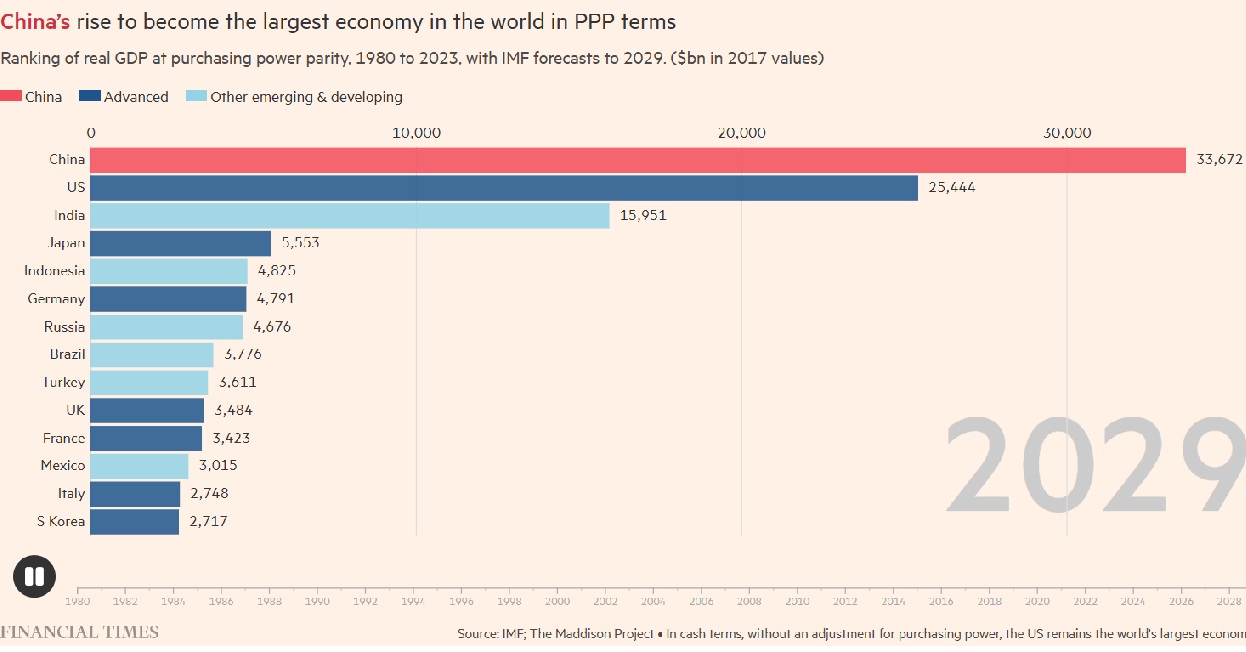
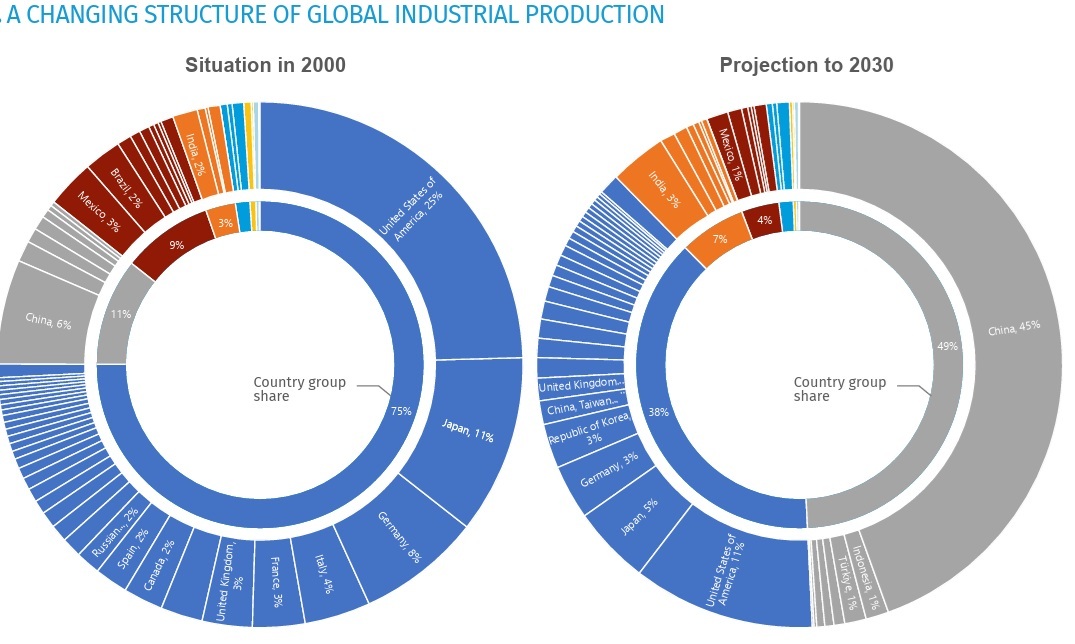
Xi Jinping’s brief inspection of central Tibet in August 2025 culminated in his public messaging: China is successfully moving Tibet into modernity with Chinese characteristics. Tibetans no longer live in a timeless present, they have now entered history, thanks to the benevolence of the Party.
Xi Jinping’s private message, to senior cadres and party bosses in Lhasa is of course secret, and may take some time to become apparent. In Xinjiang in 2014, Xi Jinping ordered the mass incarceration of millions of Uighurs in hastily built concentration camps, an order that took time to become public.
ERASURE
For the Tibetans and the Uighurs the bottom line is the same: your traditional identity, culture and values are no longer permissible, frontier construction theory 顶层设计classifies your identity as a national security threat. What is however permissible is performative displays of dance moves and costumes, on command, as required for party-state spectacle. The modern spectacular state can be repressive, or festive, or both. The Soviet model continues to shadow China’s compulsory festivities: “In Weberian terms, we can see the spectacular elements of Soviet holidays, the scale and the colour, as an attempt to overcome the disenchantment of a Soviet rationality that permeated even festive occasions with a sense of officiousness. The spontaneity and creativity were more like the spectacular culture of a theme park: a simulation carefully controlled by its creators.”
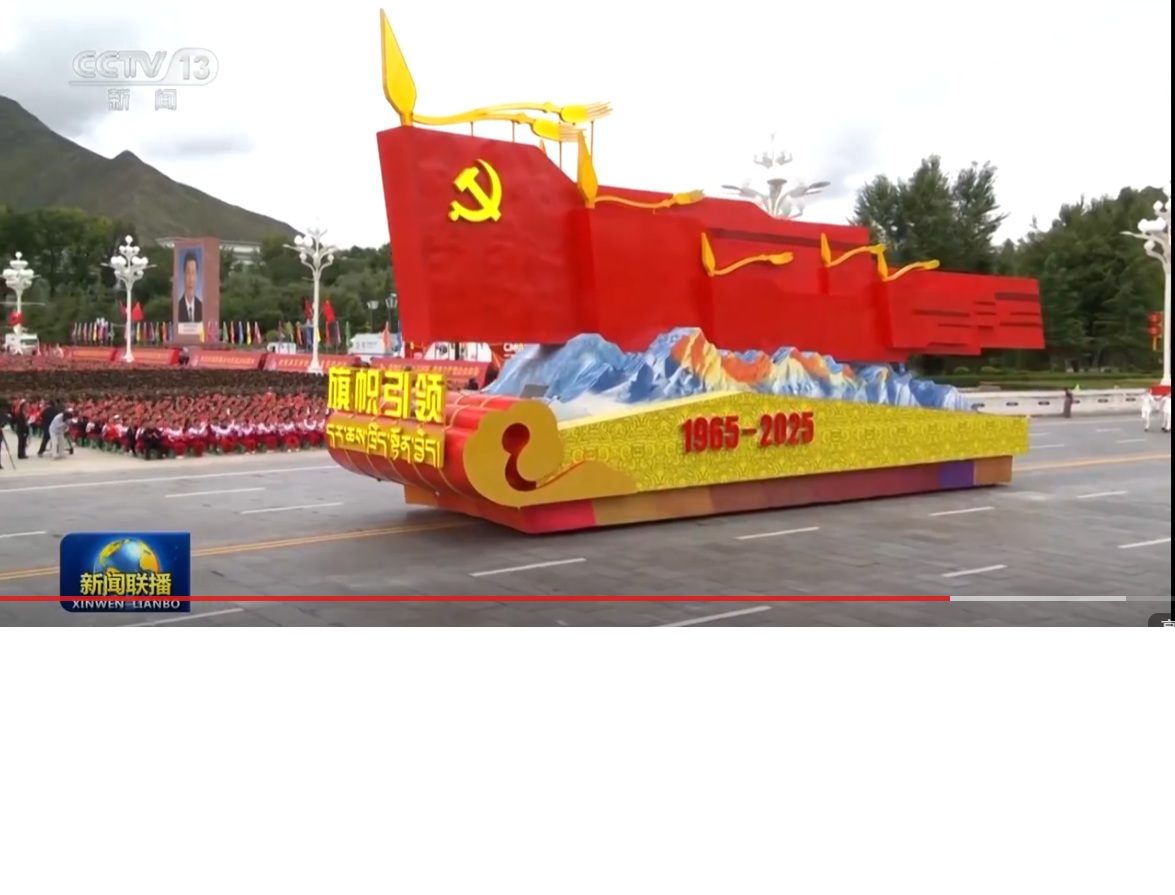
Beginning with a military band music, the entire square in front of the Potala is filled Tibetans waving red flags and khatag scarves , all smiling. Lots of soldiers in uniform enthusiastically clapping. A goose-stepping squad of soldiers carry the sacred national flag to the flagpole. The flag is unfurled, strike up the national anthem, all sing. Crowd shots jump cut fast, no time to notice the ennui. Centrepiece is a huge plaque, Xi Jinping’s gift of his very own words, to be left behind as an enduring gift, golden lettering on a red background, in supersized putonghua characters, and much smaller Tibetan font underneath: “Jointly Build the Community of the Chinese Nation, Write a New Chapter of a Beautiful Tibet.”, a permanent reminder of assimilation into Chinese identity, required of each and all.
Lhasa, a holy pilgrimage city, momentarily becomes a simulacrum of Beijing, the parade ground below the Potala a mini Tiananmen Square, widening the scope of the panoptic gaze of the party-state, able to make scrutable and legible each assembled citizen.[13] Having swept away all jumbled laneways and private courtyards, all is revealed, and if necessary military guns have line of sight. This is “an urban site redolent with symbolic meaning, a panoptic political regime struggling to contain its own power in the face of a modernity it both ardently desires and resolutely opposes.”[14]
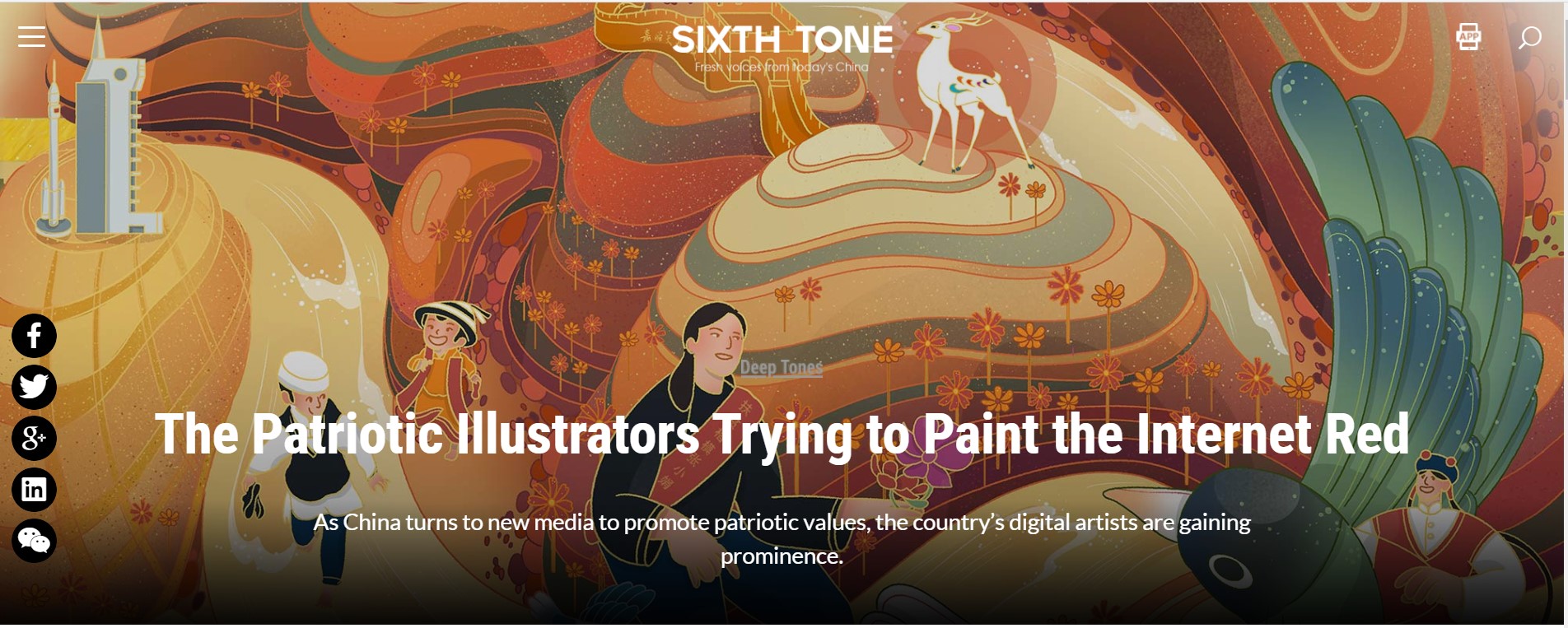
“The spectacle is the acme of ideology, for in its full flower it exposes and manifests the essence of all ideological systems: the impoverishment, enslavement and negation of real life.”[15]
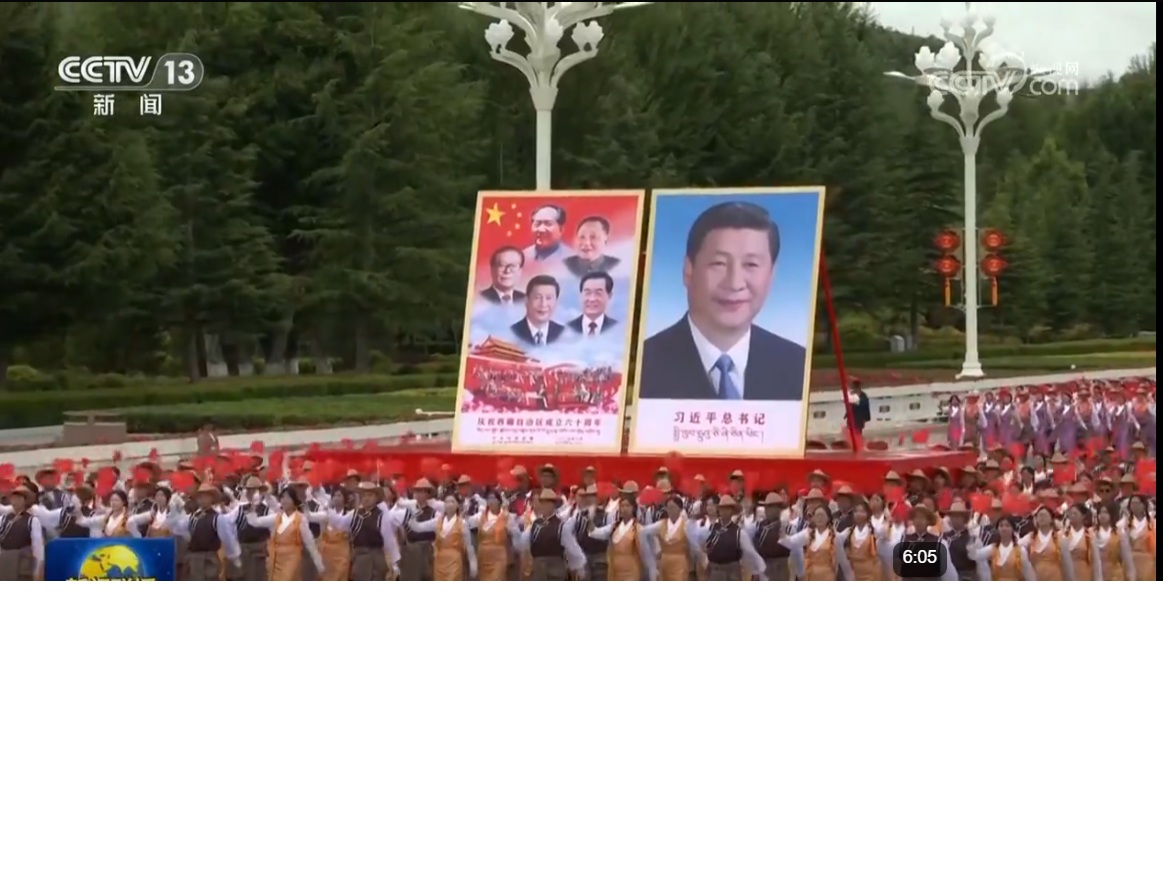
The scale of the spectacle is reminiscent of the revolutionary operas 样板戏of the Cultural Revolution, such as Taking Tiger Mountain by Strategy, Raid on the White Tiger Regiment, and Red Detachment of Women and The White-Haired Girl.
This is legislative voice, in command, requiring all Tibetans to identify, as their primary loyalty, with the Chinese Nation/Chinese Race/Zhonghua Minzu 中华民族.[16]
GOALS AND TACTICS
The methods for achieving the Xinjiang and Tibet forced marches into modernity, remaking the self into a capitalist factor of production, do differ. In Xinjiang the security state assessed the situation as urgent, triggering top level design of concentration camps in which recalcitrant Uighurs, both in the interrogation rooms and in their packed detention cells, were pressured to repeat and repeat Xi Jinping’s slogans, to abandon all outer appearances of difference, redefined as deviance. Head scarves and beards were forbidden.
Although the goals of frontier construction theory and its top-level designing of assimilation campaigns are similar in both Tibet and Xinjiang, the campaign methods differ.
In Xinjiang, after years of unrelenting pressure, top level design decided the public sphere had been remade, all overt signs of difference had been erased, then years later it was time to move on, declare everything is normal again, do come and make a tourist trip to Xinjiang, you’ll be so glad you did.
Top level design in Tibet had the same goal as in Xinjiang, but different methods. In Xinjiang the coercion strategy mobilised large numbers of second generation Han immigrants who speak some Uighur, to instal themselves in Uighur homes, monitoring compliance of each family member, reporting results to the surveillance state. In central Tibet few such home invasions could be mobilised, because in -Tsang/Xizang/Tibet Autonomous Region there are few Han immigrants, few who stay more than three years, very few who can speak Tibetan.
FRONTIER CONSTRUCTION THEORY
Top-level design 顶层设计, spun off from cybernetics, had to come up with a different strategy to achieve the required level of performative declamation by Tibetans identifying primarily as Chinese, while doing Tibetan dance moves. That appears to have pleased Xi Jinping. In the purely material world of spectacular performative compliance this signals success, Tibet is now defined by Chinese characteristics, China’s Tibet has at last been accomplished. Yet security risks are everywhere. The security state still feels insecure.
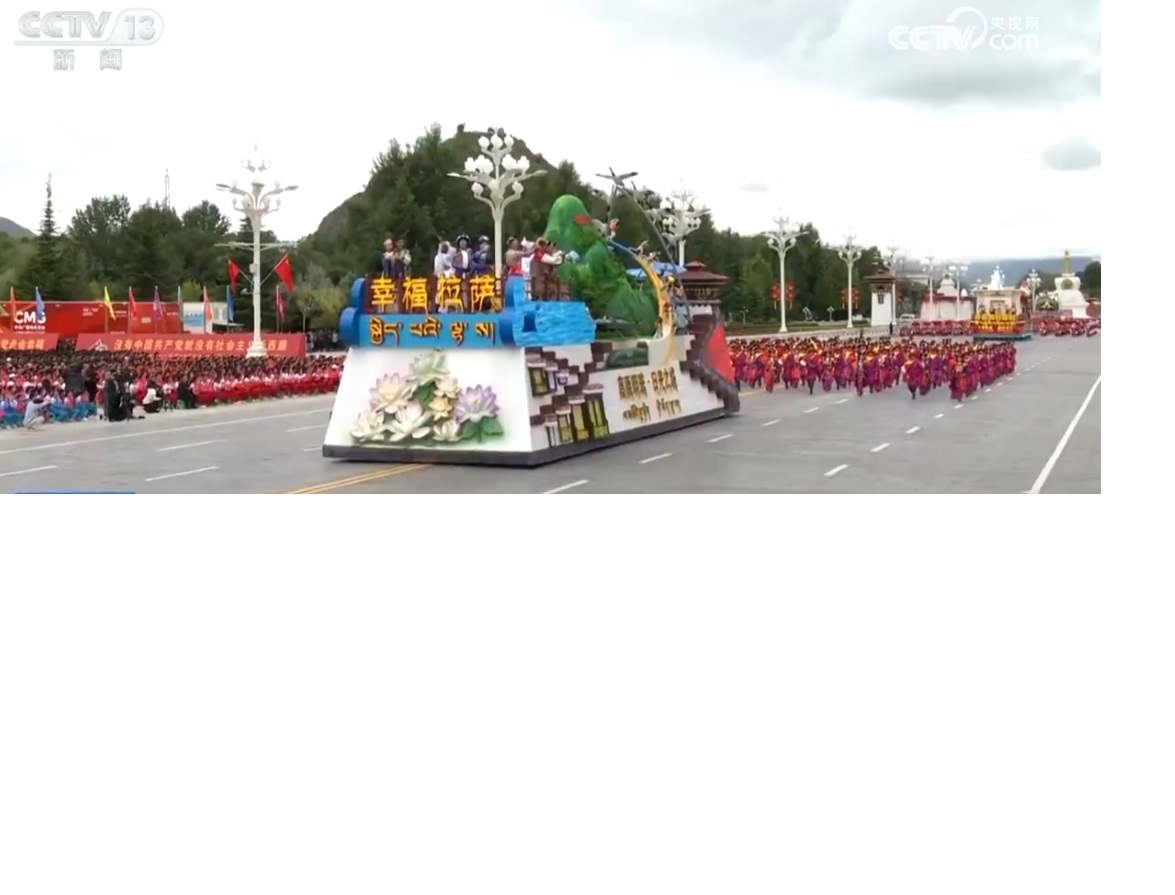
Top level design of frontier construction theory 顶层设计always requires more that can and must be done if Tibet is to complete its compulsory and inevitable journey into “a new era in which Tibet would turn from darkness to light, from backwardness to progress, from poverty to affluence, from seclusion to openness.” That formulation, a propaganda litany of opposites, has been repeated endlessly, grounded in the Confucian expectation that endless repetition does eventually rectify wrong thinking.
If the frontier can be securitised, the loyalties of frontier folk assured, then frontier provinces can be instrumental in projecting China’s soft power and economic power out to China’s immediate neighbours, on China’s peripheries.
Frontier construction theory links closely with Central Periphery Work Conference 中央周边工作会议 which was held in Beijing in April 2025 with Xi Jinping stressing that the importance of the periphery has become more prominent. Xi said China will, as always, take root in the periphery, contribute to the periphery, and is committed to promoting the construction of a community of destiny in the periphery, injecting positive energy into the turbulent world. “China will adhere to the concept of pro-sincerity, beneficence and tolerance and the policy of making goodwill with neighbours and making neighbours our companions to deepen its friendship and cooperation with neighbouring countries and let the fruits of Chinese-style modernisation benefit its neighbours more. The periphery is the place where China rests its head and the foundation for its development and prosperity.”
Propagandists tend to believe their propaganda. This parading of binary top-level polar opposites -with no middle way- convinced the party-state that top-level design is working. The dualisms inherent in China’s liturgy of liberation are, to Tibetan minds, extremes that constitute each other. Far from there being a historically necessary and inevitable transition from backwardness to progress, there can be no cold without hot, no short without tall, no affluence without poverty. Buddhist philosophy 101.
But for the materialists of top-level design, this is too subtle, too confusing. So Xi Jinping is happy with what he has wrought in Tibet; especially as there was a staged spectacular of costumed dancing to assure him, and the world, that Tibetans are grateful to their liberators, and still appear to be Tibetan.
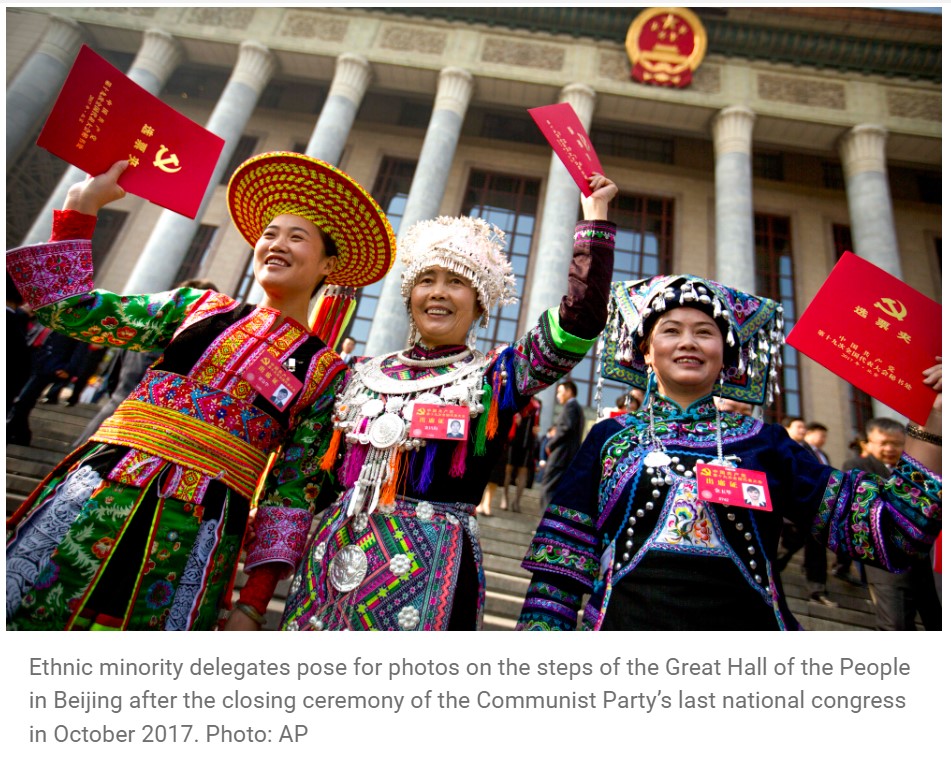
This fossilisation of outer appearances infantilises minority nationalities, especially when they are required to dress in full ceremonial gear on occasions such as walking into legislative sessions of the National People’s Congress, amid a sea of Han Chinese in suits. This is known in Chinese as staged authenticity, a pairing that in English sounds contradictory, but not in China.[17] “Ethnic performance as a form of service work provides a drastically different context for workers compared to factory work. Service work involves close interactions between service providers and receivers. Such physical proximity brings new challenges to service workers. For instance, working under the “daily reminder of ethnicity” means that performers need to act in certain ways to meet the expectations of the customers to see the “authentic” and happy ethnic minorities.”[18]
The elaborate folk fest spectacle staged in Lhasa in August 2025 for Xi Jinping and world media repeats the way Qing and earlier dynasties classified China’s exotic minorities, presented to the emperor in albums featuring not only the archetypal clothing of the minorities, but also their gestures and dance postures, a miscellany of othernesses, a Wunderkammer chamber of curiosities, an imperial internal orientalism that sometimes went further in appealing to the imperial gaze by feminising some minorities, suggesting the women are sexually available.[19]
It was this mishmash of fantasies and projections that revolutionary China’s Ethnic Classification Team was instructed to overturn, instead classifying each minority by objective, scientific criteria. That was in 1954.
Since then, essentialising minority ethnicities by requiring them, in the public sphere, to wear outfits as exotic as possible, has persisted. The ethnologists deployed in 1954 to take out of the hands of the minorities any self-determining power to self-classify, and impose on them a state grid made their rulings, reducing hundreds of asserted group identities down to the official 56. Despite this exclusionary simplification, the 55 nonHan nationalities to this day must revert to type, whenever the party-state commands it. This is how top level design works, designing the staging of authenticity, the more elaborate the better.
Lots of shots panning across rows of personages, Han and Tibetan, all cadres, party bosses, all in suits, all legislating their assent. Finally, time for the mass spectacle, for movement. Massive floats, memes on wheels roll past, intercut with Xi Jinping waving, smiling benevolently. CCTV voiceover explained: “Afterward, a grand mass parade brimming with auspicious and festive spirit was held. The parade comprised four sections—“Guided by the Banner,” “The Four Major Tasks,” “Forging Ahead in the New Era,” and “Toward the Future.” Twenty-six mass contingents and floats proceeded in sequence to lively music. People of all ethnic groups wore brilliantly coloured attire and broke into spirited, joyful dances to express their happiness at living better lives and their gratitude to the Party and the country. Xi Jinping and others waved to the crowds from time to time.”
These outbursts of spontaneous joy at seeing the Core Leader remind us that China sees Tibetans as backward, simple folk, who break into joyful dancing just like that. Nothing to do with choreography and repeated rehearsals. This spectacular enlisted 20,000 participants, trained to simulate spontaneity on cue. At no other time would the party-state allow 20,000 Tibetans to gather on the streets and square immediately below the Potala; any genuinely popular gathering would be swiftly declared a threat to national security.
GRATITUDE IS COMPULSORY
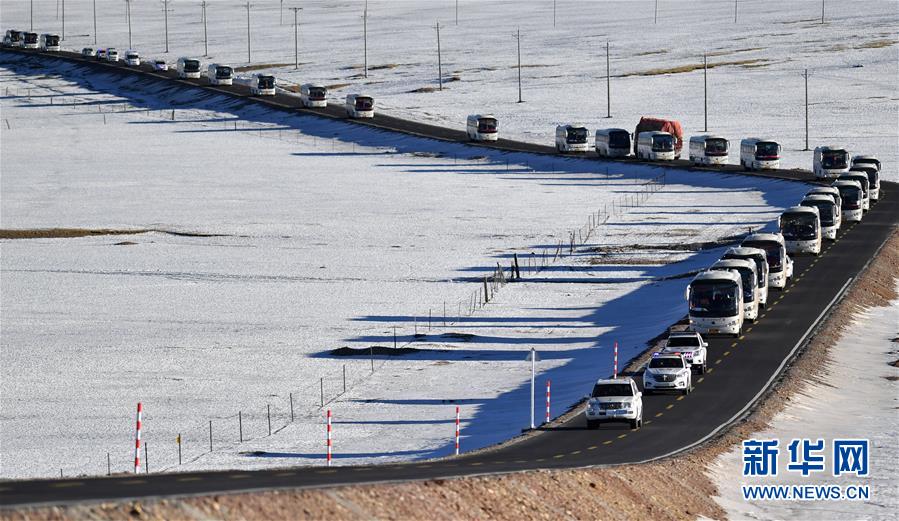
The CCTV coverage then switched to “The gala opened with the exuberant song-and-dance number “Thank You · ‘Tuk je che’.” The performance comprised three chapters. The first chapter, through songs and dances such as “The Starting Point of Happiness,” “Stepping to Song in Celebration,” and “The Five Golden Flowers of the Farm,” presented vivid scenes of building a socialist new Tibet. The middle chapter—featuring the scene-based song-and-dance “The Running Plateau,” the medley “Beautiful Hometown,” and the narrated piece with music “Deep Affection”—depicted the vigorous vitality that reform and opening up has brought to the snowy plateau. The final chapter, with numbers such as “A New Journey,” “The Laughter of Gala Village,” “Zither and Cranes in Unison,” “We Are All Brothers,” and “In the Embrace of the Motherland,” showcased a beautiful panorama of a happy new Tibet, with “Dancing Together in the New Era with One Heart” pushing the gala to its climax. The entire performance was emotionally rich and splendid, reflecting the glorious course of the Tibet Autonomous Region over the past 60 years and expressing the sincere feelings of the people of all ethnic groups in Tibet to always heed the Party, feel gratitude to the Party, and follow the Party.”
Finally, this gathering was rewarded with trinkets for the natives. Xinhua reported “The central delegation attending Xizang Autonomous Region’s 60th founding anniversary celebrations has presented gifts and souvenirs to local people and officials. The gifts, ranging from congratulatory plaques to automatic butter tea makers and projectors.” Now any Tibetan with a smart phone and a white wall can project the core leader to life size and beyond.
Is this elaborate spectacle proof that top-level design of frontier construction theory has succeeded? Does this mean China can now relax, and trust Tibetans?
No. As recently as March 2025 new regulations came into force in Lhasa and all TAR prefectures further tightening the suffocation of Tibetan culture and language. On top of lengthy regulations issued at least once a year, specifying in detail how Tibetans of central Tibet are to behave, a succession of rules and punishments that gets more and more detailed in each iteration.
Xi Jinping’s permanent mask, unreadable, the slightest of smiles, does not change as he watches Tibetans performing essentialised Tibetaness. There is a long way to go before Tibet is no longer a security threat. In Lhasa, “Xi Jinping emphasized the importance of fully implementing the Party’s strategy for governing Tibet in the new era and striving to build a united, prosperous, civilized, harmonious, and beautiful new socialist modern Tibet…..and do a solid job in livelihood issues such as employment, education, healthcare, social security, elderly care, and childcare, further enhancing the sense of gain, happiness, and security of people of all ethnic groups .”
At the same time China seeks to persuade itself it is succeeding in winning the hearts and minds of the Tibetans. Paternalistic, patronising spectaculars reassure top leaders their campaign to coerce sloganeering compliance is succeeding. This is circular, path dependent, delusional. These are the fruits of top level design, China’s chosen methodology of scientific management.
“THE DARKIES GATHER ROUND AND THEY ALL BEGIN TO SHOUT…”
Does anyone seriously believe the Tibetans joyously sing and dance in praise of the propaganda slogans that suffocate Tibetan civilisation?
Does this mean top-level design, with its fixed categories, actually solves China’s frontier construction problems?
Do Tibetans believe China is building in Tibet a united, prosperous, civilized, harmonious, and beautiful new socialist modernity? Does that fit their daily experience?
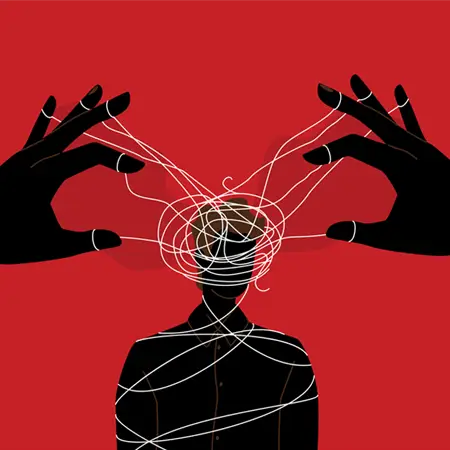
This is popularly known as gaslighting, an unending campaign of controlling, dominating the minds and thoughts of others,.
Does this mix of compulsory behavioural compliance, and ritual displays of exotic otherness, actually create the community of a single shared identity that the party-state urgently craves? Does this spectacle of conformity and difference mean Tibetans do now see themselves, as their primary loyalty, as Chinese?
Clearly this coercive campaign has not worked. For several decades Tibetans have said quietly to each other: the more I see of the Chinese, the more glad I am to be Tibetan.
Xi Jinping’s brief inspection of Lhasa was a performative declamation of those paternalistic mnemonics, performed en masse, endlessly rehearsed, elaborately staged, all delivered at contemporary Chinese spectacular speed, much faster than customary song and dance.
The speediness of the dance moves is a clue, since modernity always requires acceleration. Clearly this extravagant event was choreographed for newsclip reels, Instagram feel-good, influencer ticks.
For whom was this extravaganza staged? While there are many audiences, primarily it was for Xi Jinping, to assure him the Tibetans do love the Party and the core leader, do love being patronised by the coloniser, and China’s top=level design has succeeded. This is deeply delusional.
In his lengthy speech to the assembled masses, Xi yet again demanded “all ethnic groups in the region to work hard and forge ahead, uphold and improve the system of regional ethnic autonomy, and carry out in-depth anti-separatist efforts. Xi emphasized that the first thing to do in order to govern Tibet and stabilize it and revitalize it is to maintain political stability, social stability, national unity, and religious harmony in Tibet. It is necessary to further build a strong sense of the Chinese nation’s community, promote the construction of the Chinese nation’s community, strengthen publicity and education on the history of the party, the history of New China, the history of reform and opening up, the history of socialist development, and the history of the development of the Chinese nation, widely publicize the glorious achievements of the Tibet Autonomous Region over the past 60 years…..actively create a national model area for ethnic unity and progress, promote and popularize the country’s common language, promote exchanges and integration among all ethnic groups, and promote two-way economic, cultural, and personnel exchanges between Tibet and the mainland”. It is necessary to guide Tibetan Buddhism to adapt to the socialist society in accordance with the requirements of systematically promoting the sinicization of religion.”
Rewind the CCTV footage: centrepiece is the parade of polystyrene floats proclaiming the key slogans of the compulsory negation of Tibetan identity, slogans repeated in Xi Jinping’s performance of command.
The core message is in the four slogans of the four sections of the parade, slogans designed as memorable earworms, in Chinese or in Tibetan. “Guided by the Banner,” of the leadership of the Party; “The Four Major Tasks,” of stability, development, ecology, and strengthening border defense, codewords for no dissent, no protests, no gatherings, no objections to extractivist infrastructure, no objections to displacement from home pasture in the name of biodiversity protection, no avoiding patrolling the border with India, when relocated to a new frontier village.
“Forging Ahead in the New Era,” is a slogan summarising several other slogans, chiefly “building a strong sense of the Chinese nation’s community, promoting the construction of the Chinese nation’s community”, code for a language education policy that relegates children’s mother tongue Tibetan as a relic of the backward past, while privileging standard Chinese as the gateway to all that is modern and wealth generating. This slogan also erases Tibetan history, replacing it with, in Xi Jinping’s words: “education on the history of the party, the history of New China, the history of reform and opening up, the history of socialist development, and the history of the development of the Chinese nation.”
“Toward the Future” is so vague, yet utopian.
China’s party-state has the power, backed by surveillance and algorithmic predictive policing, to insist on behavioural compliance, but this does not turn alien rule into a singular Chinese race –Zhonghua minzu– in Tibetan hearts. Top level design has not only failed to achieve more than performative declamations; it has deeply alienated Tibetans from the master race. Tibetans now say China displays only its wrathful, punitive face, displaying disdain, contempt and racism. China’s positive face is for its international audience.
MATERIALISM RULES
China’s reliance on top-level design to translate its frontier construction theory into a menu of actions has resulted in a dead end. Far from master planning Tibet’s transition into embracing a new identity, as loyal Chinese citizens, the counterproductive outcome of intensifying pressure is the deepening of Tibetan dismay at the relentless intrusion of China’s slogan jargon into every aspect of life. Tibetans feel stifled, asphyxiated, cancelled by the tide of propaganda memes they must memorise, repeat, and perform, whenever required.
Within China, the business elite has also learned to be Janus faced, seemingly open market entrepreneurial, yet, contrary to the assumptions of Westerners, China’s capitalists are not at the forefront of the emergence of a civil society; rather, they are part of a system shaped deliberately by the Chinese state to ensure that economic development will not lead to democratization. A close study of the business elite defines the hard lessons learned by capitalists with Chinese characteristics, lessons enforced by party-state rule.[20] They too learned to be wary of the two-faced party-state, that rewards only those who contribute to the Party’s insistence on ruling forever, and ruthlessly punishing the noncompliant.
China’s extremes of dualism are expressed in slogans, largely minted by Wang Huning, delivered by Xi Jinping. The benign face and the wrathful faces belong to a single entity, coaxing and cajoling, doing deals and delivering punishments.
[A version of the latter half of this essay was first published by Institute for Security and Development Policy, in Stockholm, August 27, 2025 https://www.isdp.eu/publication/xi-jinping-in-lhasa-spectacular-delusions/ ]
[1] Tibet Information Network, EC Tibet project should exclude NGOs, says China, TIN News Update, 15 Jan 1997
[2] Tanner Greer, Wang Huning and the Eternal Return to 1975, https://scholars-stage.org/wang-huning-and-the-eternal-return-to-1975/
[3] Per K. Sorensen, Civilization at the Foot of Mount Sham-po. The Royal House of lHa Bug-pa-can and the History of g.Ya’-bzang. Verlag der Österreichischen Akademie der Wissenschaften. Co-authors: G. Hazod, Tsering Gyalbo. Wien 2000
Per K Sorensen, Thundering Falcon. An inquiry into the History and Cult of Khra-brug.Tibet’s first Buddhist Temple. Verlag der Österreichischen Akademie der Wissenschaften. 2005:. Co-author: Guntram Hazod.
Per K Sorensen, Rulers on the Celestial Plain. Ecclesiastic and Hegemonic Rule in Central Tibet. Verlag der Österreichischen Akademie der Wissenschaften. 2007. 2 Vols. Co-author Guntram Hazod.
[4] Jing Wang & Chengzhao Wu (2013) A Process-Focused Model of Perceived Authenticity in Cultural Heritage Tourism, Journal of China Tourism Research, 9:4, 452-466, DOI:
10.1080/19388160.2013.839409
[5] Frances Garrett, Elizabeth McDougal eds, Hidden Lands in Himalayan Myth and History: Transformations of sbas yul through Time, Brill, 2021
[6] Andrew Watson, Christopher Findlay, Du Yintang, Who Won the “Wool War”?: A Case Study of Rural Product Marketing in China, The China Quarterly , Volume 118 , June 1989 , pp. 213 – 241
DOI: https://doi.org/10.1017/S0305741000017793
[7] William Monroe Coleman, “Writing Tibetan History: The Discourses of Feudalism and Serfdom in Chinese and Western Historiography”, Master’s Thesis, East-West Centre, University of
Hawaii, 1998, https://www.proquest.com/openview/2c5e16d966f6664f56a9948227788146/1?pq-origsite=gscholar&cbl=18750&diss=y
Franz Michael, Tibetan Traditional Polity and its potential for Modernisation, Tibet Journal 1986, 1.1 #4 70-78
Girija Saklani, The Hierarchical Pattern of Tibetan Society, Tibet Journal, 1978, 3.4, 27-32
[8] Thomas S. Mullaney, Coming to Terms with the Nation:Ethnic Classification in Modern China, U California Press, 2011
[9] Yannis Varoufakis: ‘Techno-Feudalism Is Taking Over’, Project Syndicate, 28 June 2021
Mariana Mazzucato, ‘Preventing Digital Feudalism’, Project Syndicate, 2October 2019;
Jodi Dean, ‘Communism or Neo-Feudalism?’, New Political Science, vol. 42, no. 1, February 2020;
Robert Kuttner and Katherine Stone, ‘The Rise of Neo-Feudalism’, American Prospect, 8 April 2020.
Wolfgang Streeck, How Will Capitalism End? Essays on a Failing System, London and New York 2016, pp. 28–30, 35, 187.
Michael Hudson, ‘The Road to Debt Deflation, Debt Peonage and Neofeudalism’, Levy Economics Institute of Bard College Working Paper no. 708, February 2012.
Robert Brenner, ‘From Capitalism to Feudalism? Predation, Decline and the Transformation of us Politics’, University of Massachusetts Amherst Political Economy Workshop, 27 April 2021, YouTube https://www.youtube.com/watch?v=ZMDF3Hk9B1o
[10] Daniel Sprick, Predictive Policing in China: An Authoritarian Dream of Public Security, Naveiñ Reet: Nordic Journal of Law and Social Research (NNJLSR) No. 9 2019, pp. 299-324
[11] Andrew M Fischer, The Disempowered Development of Tibet in China: A Study in the Economics of Marginalization nLexington Books, 2014),
[12] James Leibold and Devendra Kumar, Vanishing Quotas: Tibetan Political Disenfranchisement in Xi Jinping’s New Era of Han-Centrism The China Journal, Volume 94, 2025
[13] Anne‐Marie Broudehoux, Spectacular Beijing: The Conspicuous Construction of an Olympic Metropolis, Journal of Urban Affairs, September 2007 29(4):383 – 399
[14] McKenzie Wark, Virtual Geography, Indiana U Press, 1994, 127
[15] Guy Debord, The Society of the Spectacle, Zone Books, 194, 151
[16] Ivan Franceschini, Nicholas Loubere, Bending Chineseness, Made in China journal, VOLUME 9, ISSUE #1 JAN–JUN 2024 https://press.anu.edu.au/publications/journals/made-china-journal/made-china-journal-volume-9-issue-1-2024
[17] Jing Wang & Chengzhao Wu (2013) A Process-Focused Model of Perceived Authenticity in Cultural Heritage Tourism, Journal of China Tourism Research, 9:4, 452-466, DOI:
10.1080/19388160.2013.839409
[18] Jingyu Mao, Bordering Work and Personal Life: Using “the Multiplication of Labour” to Understand Ethnic Performers’ Work in Southwest China, China Perspectives, 2021, #1
BAI, Zhihong. 2007. “Ethnic Identities under the Tourist Gaze.” Asian Ethnicity 8(3): 245-59.
[19] Louisa Schein, Minority Rules: The Miao and the feminine in China’s political culture, Duke U Press, 2000
Frank Dikotter, The Discourse of Race in Modern China, Hurst, 2015
Stevan Harrell, Ways of Being Ethnic in Southwest China, U Washington Press, 2001
[20] Margaret M. Pearson, China’s New Business Elite: The Political Consequences of Economic Reform, U Cal Press, 2023, chapter 2