ENTREPRENEURIAL TIBETANS NEGOTIATING MODERNITY
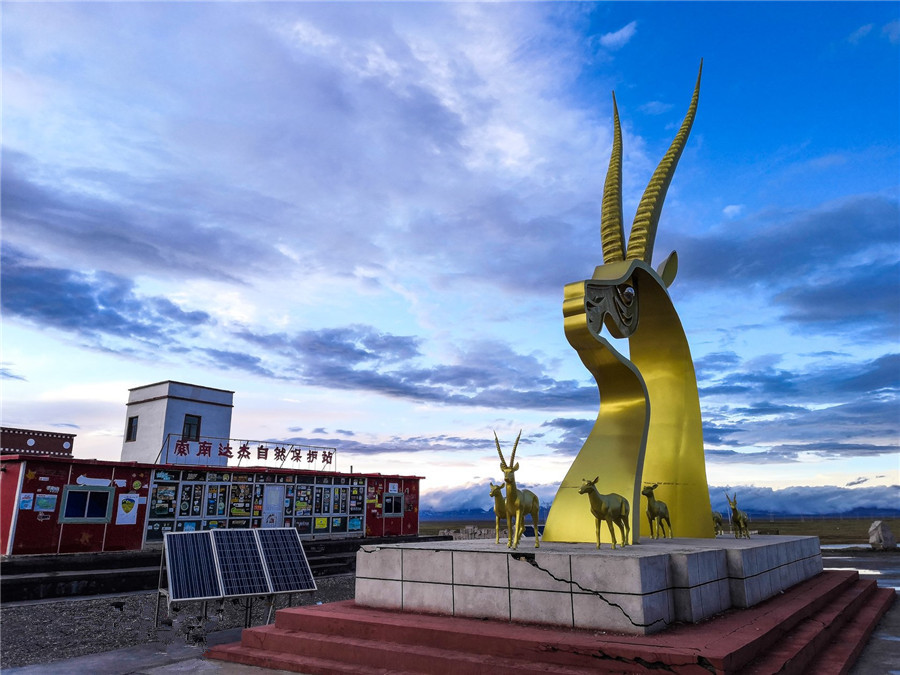
The elevation of Sonam Dargye as a saintly hero of red gene ecological civilisation construction has largely scrubbed his backstory, opting instead for a memorial statue predestining him for greatness, in Heroes Culture Square 英雄文化广场 in remote Drito. Despite this oversimplification, we fortunately have storyteller Liu Jianqiang on Sonam Dargye and Tador/Tashi Dorje as obscure cadres in the 1980s struggling to make socialist materialism materially beneficial to fellow Tibetans of this remote, marginal, low rainfall pastoral district.

Before Sonam Dargye moved out of his desolate one-street Drito/Zhiduo hometown, to the even more desolate uplands where the pregnant antelopes roam, what was he doing to negotiate the arrival of modernity in Drito?
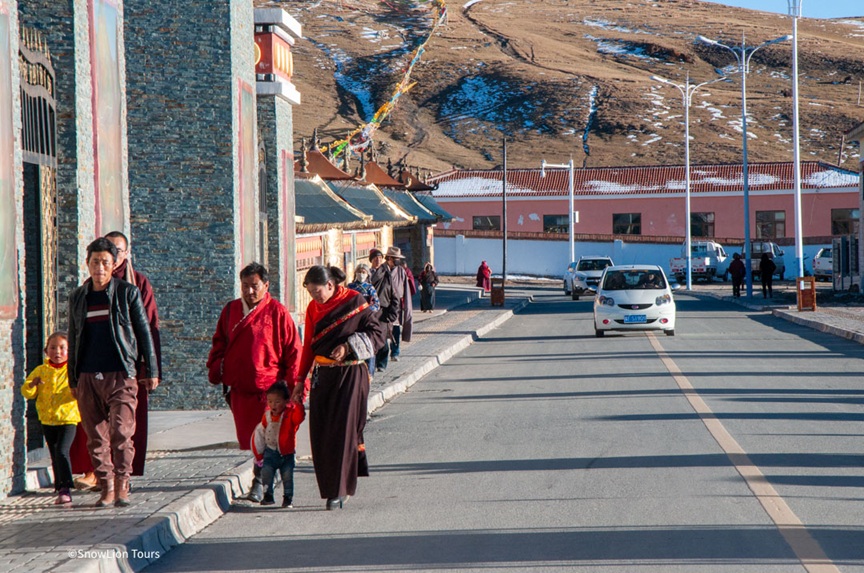
These ambitious young men are familiar figures from all over Tibet, the first generation to be trained in China’s city colleges in the rhetorics of Chinese modernity, fully aware of the great gap between the promise of prosperity and the precarious peripherality of their home communities. Having trained in Xining, they hoped to be sent back home, and succeeded since no Han graduate would want to be posted to Drito.
At a time when the highest a Tibetan could rise was to become a school teacher, there was a small bunch of star-up entrepreneurs in Drito, willing to try anything that might generate momentum, for a community subsisting off the uncertainty of the annual arrival of the tail end of the monsoon. Their town name, Drito, signals its location as the uppermost town on the several sources of the Yangtze, but so far inland, so far off any highway Drito was a town in name only. This small group of teachers called themselves the Awakening Society, echoing the May Four precommunist call for China to awaken and embrace Mr Science, the Enlightenment and all of modernity. In their naïve start-up enthusiasm Tibetan cadres rapidly discovered the party-state does not permit self-starters to start an autonomous organisation. They narrowly missed being cancelled.
Perhaps the most famous of this first generation reaching adult life under China was the tenth Panchen Lama who, as early as 1962, dared tell Mao, at length, how Mao’s great leap into industrialisation had caused famine and starvation, his entire 70,000 character petition phrased in CCP jargon.[6]
All over Tibet there were brokers of modernity experimenting with ways of bridging the great gap between China’s promise of a new heaven on earth, and the reality of coercion and neglect. So too in Drito འབི་སྔོད་རྔོང་ ‘bri stod rdzong治多县Zhiduo Xian.
”The captain with the red silk scarf in primary school, the chairman of the student association of the middle school, Tador [founding chiru patroller Tashi Dorje] considered himself a man of high ambitions. He liked to place his hands behind his back and pace around like the leaders, contemplating weighty issues. The little house [of newly wed Tashi Dorje (Tador and Bolei) quickly became the centre of intellectuals in Drido. His friends, including the boisterous Wangdrag of the weather bureau, Tashi, the careful vice-principal of Drido Middle School, and Gyaltsen, the young director of the weather bureau, gathered there often to discuss their big plans to wake up Drido to the modern world. These young men who had been exposed to the outside world couldn’t quite tolerate the lethargy of their native land.
TIBETANS AWAKE
“They founded the “Awakening Society” with the director of the weather bureau serving as its president. They published a magazine by the name of Black Thorn Forest. Black thorn was prickly plant, and full of idealism, these young men wanted to use it to wake up the people of Drido. The magazine was bilingual in Tibetan and Chinese. Tador was its Chinese-language editor. They enthusiastically organized the founding ceremony of the Awakening Society, even inviting one of the deputy mayors of the county. Acting as if they were the future masters of Drido, they strived to be the first to go up to the podium to give speeches as they did when they were in Xining. When Gyaltsen from the weather bureau criticized the county officials in his speech, he stole a glance at the deputy mayor. “Incompetent!” He called out, squeezing his nose.
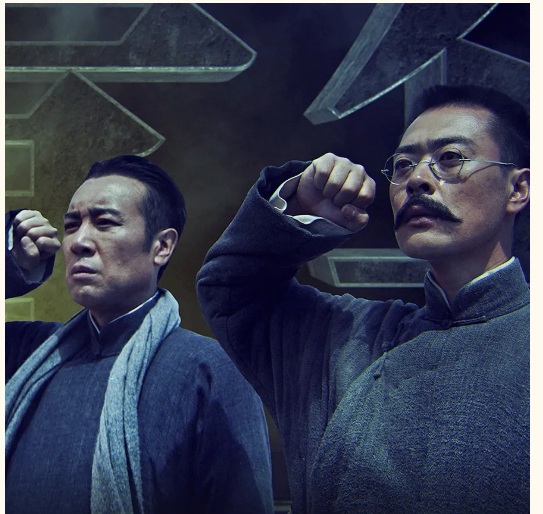
“A deputy party secretary of the prefecture came to investigate the Awakening Society. He located Tador and asked for the society’s memorandum of association, which he examined closely. When the party secretary finished reading, he pointed at the first clause of the memorandum. ‘Young man, this first clause saved you all.’ The first clause of the memorandum stated: ‘Uphold the leadership of the Chinese Communist Party.’
“Young man, I can understand your ardour, but it is not necessary to form a new organization,” the party secretary continued, “We have the Young Communist League and the Workers’ Union to do the social work.” The party secretary did not pursue the matter further. Tador was free, but that spelled the end of the Awakening Society. They swore to give up high salaries to become school teachers to change their struggling native land. The director of the education bureau was enthused as he knew these were the star students of Drido.”
But they lost their teaching jobs by refusing to submit to cancel their formation of a subcontracting school executive committee as the highest decision-making body.
Yet, by auspicious coincidence, it was at that time that county Party Secretary Sonam Dargye was recruiting workers for a new Western Working Commission, which evolved into the Drido County Kekexili Economic Development Group Company in 1992 with Sonam Dargye its general manager and Tador started to work with him.
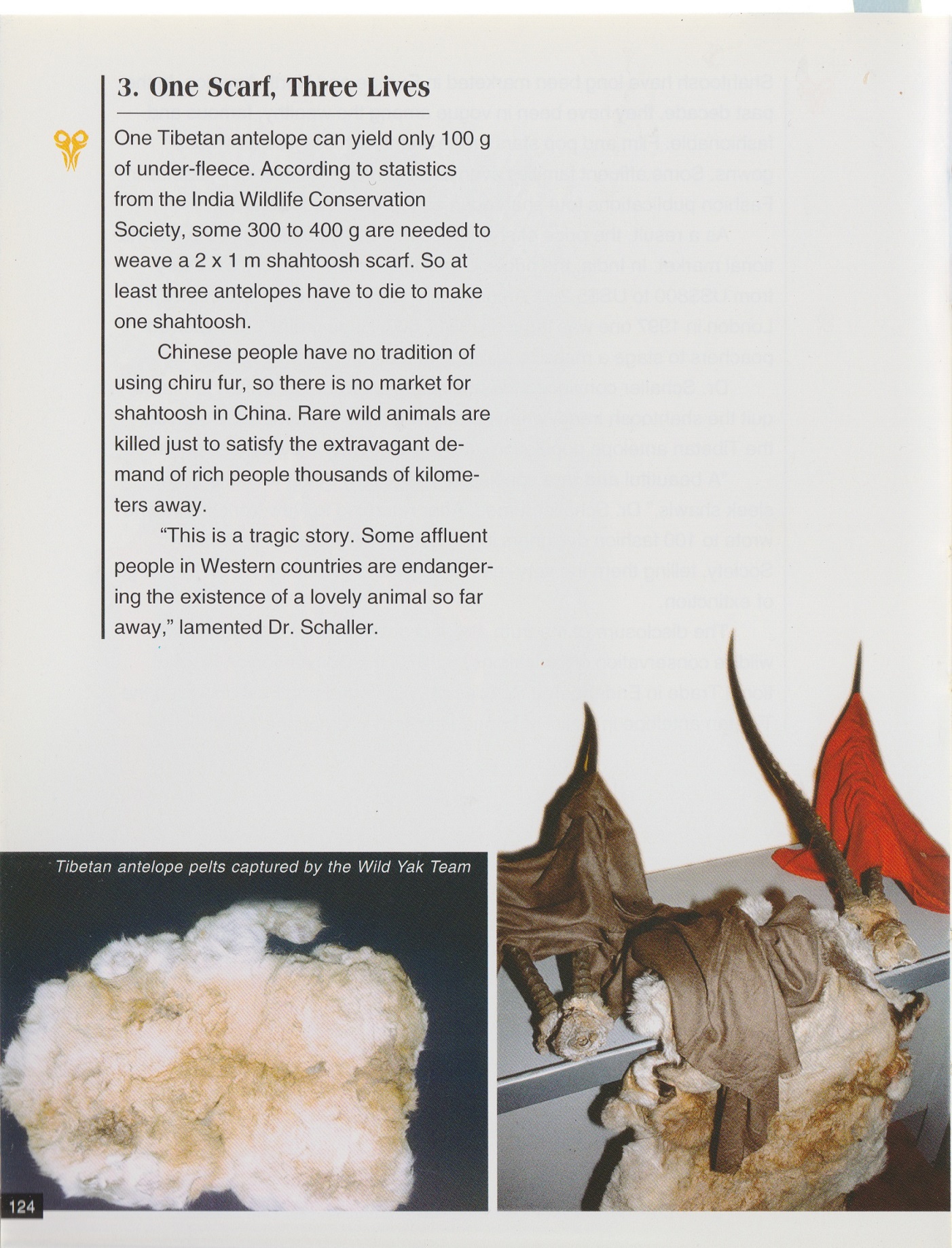
What triggered the poacher-hunting mountain patrols was their discovery that before any economic development could be planned, the urgent priority was to contain the uncontrolled, predatory slaughter of the antelopes. The most rapacious mode of modernity had arrived, armed with jeeps and rifles, negating any possibility of constructive modernity at all.
Their effort to patrol the antelope migrations is now, 40 years later, represented in Tree of Life, and in the solemn red hero memorial stations for patriotic pilgrims, as the extension of state power into no-man’s land as an early example of constructing ecological civilisation. In reality the party-state was absent, and the Tibetans who patrolled, and were murdered, were not romantic eco warriors infatuated by adorable antelopes.
Were they merely agents of the party-state, voiceless, compelled to obey? Clearly not. If anything they partially captured the state, at local level, their patrols meagrely financed and authorised by local cadres, their police uniforms “borrowed”, their authority to arrest and detain wildlife killers barely sufficient, enough to hand the human wolves they captured over to the system. Their heroism is in a willingness to repeatedly go into the wilds, for long periods, to endure boggings, shootings, scrounging for fuel, bone jolting offroad driving, being shot at. That’s why their story matters.
A 2026 post by a Tibet marketing enterprise, TibetCloud, is in no doubt as to the agentic audacity of the patrols: “The cruelest truth is that this entire exploitative chain relied on layered greed: Western elites pursued vain luxury goods, overseas factories monopolized processing technology, and cross-border smugglers profited wildly. All the slaughter and bloodshed fell solely on Hoh Xil’s Tibetan antelopes. This lucrative black industry attracted massive numbers of outlaws to Hoh Xil. Small-scale poaching evolved into armed, organized hunting gangs equipped with firearms and off-road vehicles, conducting industrialized killing, skinning, and smuggling. With no legal supervision or police presence in the uninhabited wilderness, Hoh Xil became a slaughterhouse where wildlife blood was traded for massive wealth. Driven by huge profits, countless ruthless poachers flocked to China’s Hoh Xil region in organized armed teams, fully equipped for large-scale hunting. It was a completely lawless era. Spanning 45,000 square kilometers, Hoh Xil had no surveillance, no police patrols, and no protected area management. It was a legal vacuum and a natural hunting paradise for poachers. Every running Tibetan antelope today owes its life to this hero’s sacrifice.”
BROKERS OF MODERNITY
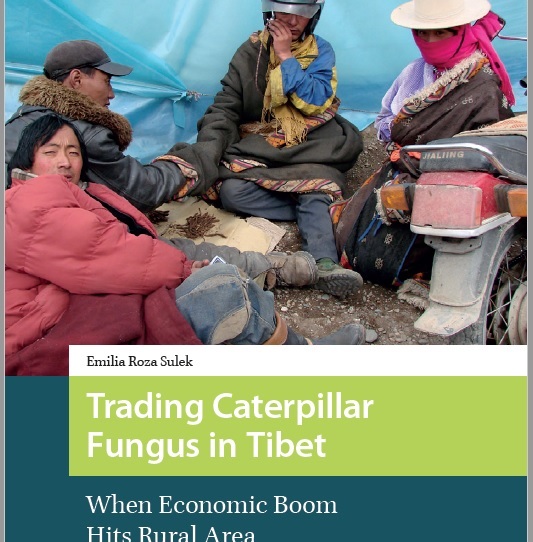
Sonam Dargye was a broker, an entrepreneur alert to opportunities. As headmaster of the Drito middle school “his work style was unorthodox. During his tenure as headmaster, he defied the authority by selling caterpillar fungus to traders at a high price instead of selling to the county-owned trading company. The profit was retained for use by the school.” Any opportunity for cash flow should be seized, despite the power of the state-owned food buying monopoly. Similar start-ups enabled remote schools in pastoral districts to learn how to make cheese suited to American tastes, and sell it in New York, with help from Trace Foundation.
“Sonam Dargye was most magnanimous in helping the poor and the weak. Once when he was a teacher taking his students to the mountain to dig for caterpillar fungus, one of his students suffered suddenly from appendicitis. As there were no herdsmen around to lend horses or yaks, Sonam Dargye carried him on his back to the nearest hospital, trekking overnight over a distance of forty kilometres.”
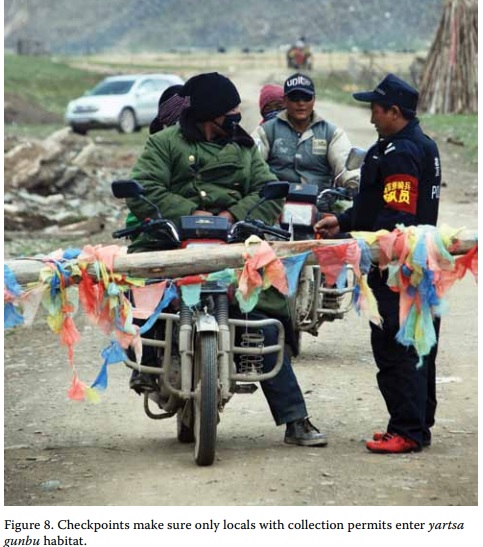
In 1985 a disastrous blizzard killed most of the livestock. “Sonam Dargye, the then- deputy director of the education bureau, came to Suojia [ཟྔོ་ས་ zo skya Sokya索加乡Suojia] to work on emergency relief. He took several herdsmen to climb up a mountain carrying bags of sheep dung. Arriving at mid-mountain, he dug a huge “SOS” with his bare hands on the deep snow, and had the herdsmen fill it with sheep dung. The markings allowed the military aircrafts from Lanzhou to fly over the “SOS” to drop food, fuel, blankets and overcoats. The wealth of the herdsmen, accumulated over their entire lives, disappeared overnight in the snow. The blizzard provoked Sonam Dargye to volunteer for the post of Party Secretary of Suojia Township.
“From 1987, he spent six years there, accomplishing many astounding tasks. There was no open road from Suojia going west to the Qinghai-Tibet Highway, one hundred forty kilometres away. In minus thirty degree centigrade weather, leading several of his cadres Sonam Dargye spent seven days and nights making a step-by-step survey of a winter route from Suojia to Tuotuo River [uppermost Yangtse], allowing supplies to be trucked in from the highway.”
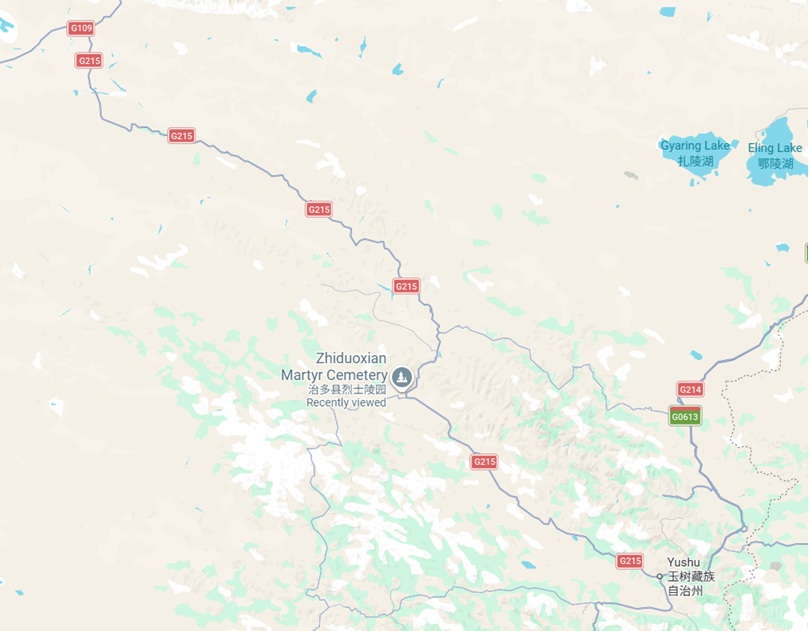
Drito/Zhiduo and nearby Suojia were end of the road from the prefecture capital Yushu/Jyekundo, far southeast. What Sonam Dargye scouted out, far to the northwest, was the Qinghai-Tibet Engineering Corridor [QTEC}, the trunk connector between inland China and Lhasa. These days the G215 highway runs all the way, southeast to prefectural city Yushu, and northwest to link to QTEC, with Drito in the middle.
“Sonam Dargye once told Tador his greatest accomplishment was his refusal to collect taxes from the herdsmen. He was not a fool—such acts could lead to his dismissal and imprisonment. But the herdsmen had suffered such heavy losses that he could not have added to their burden—in fact, decades later, the herds of Suojia had not recovered to their pre-1985 levels. He had wanted to collect taxes from some of the well-to-do herders, but he could not find any who were not suffering. Living under such a shadow, he later told Tador, “As long as Suojia is trailing behind the butts of yaks and sheep, it’ll never turn itself around.”
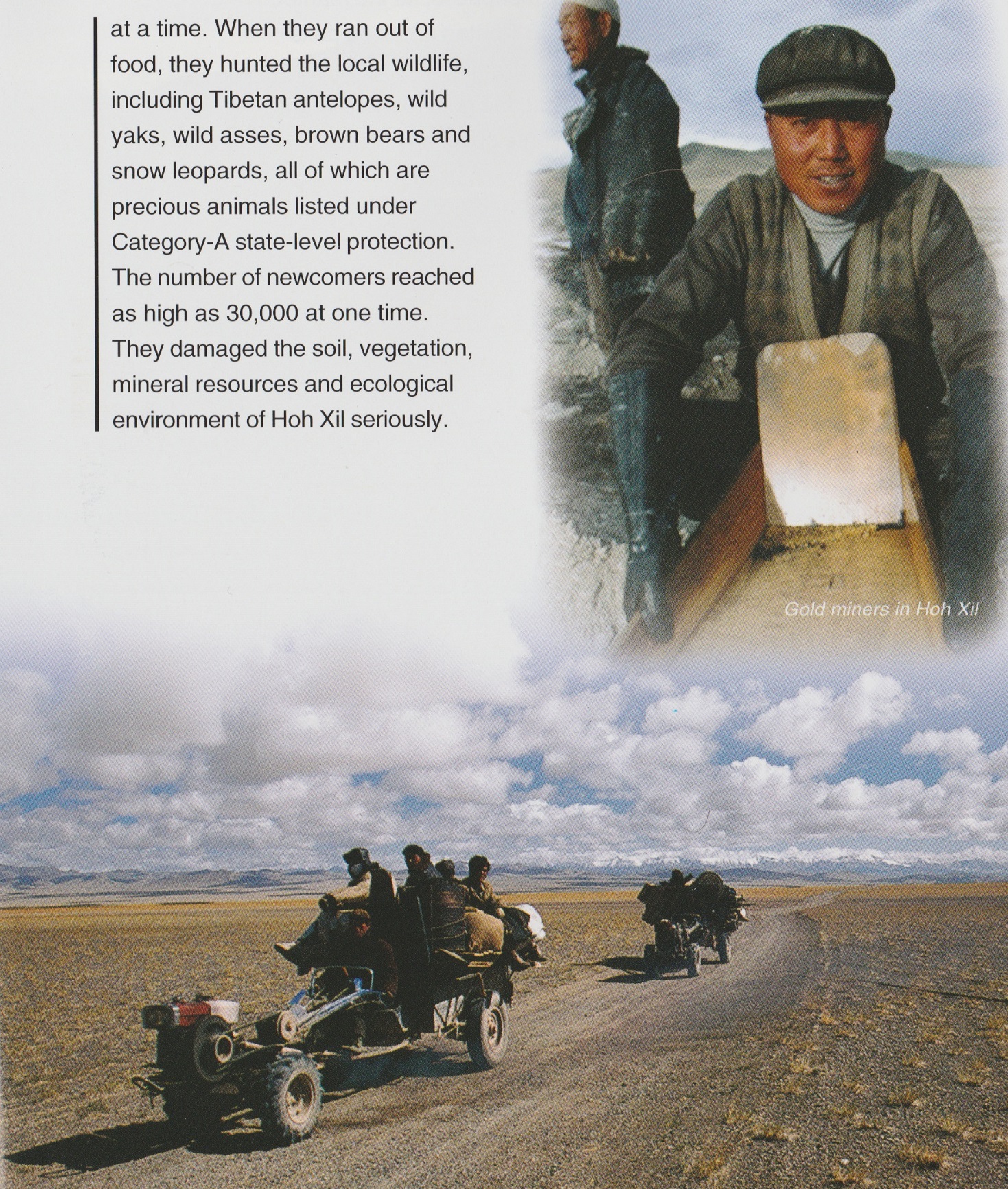
Sonam Dargye sought any opportunity for his people to succeed in China’s material world, at a time when China had no interest in these frigid pastoral lands; yet rapacious asset strippers were pouring in. Gold panners from Qinghai’s Hui Hui Muslim lowlands, desperately poor, swarmed the riverbeds of the many source streams of the uppermost Dri Chu/Tuotuo/Jinsha/Yangtse, finding flecks of gold in the stream beds, but destroying river banks and river beds as they went.
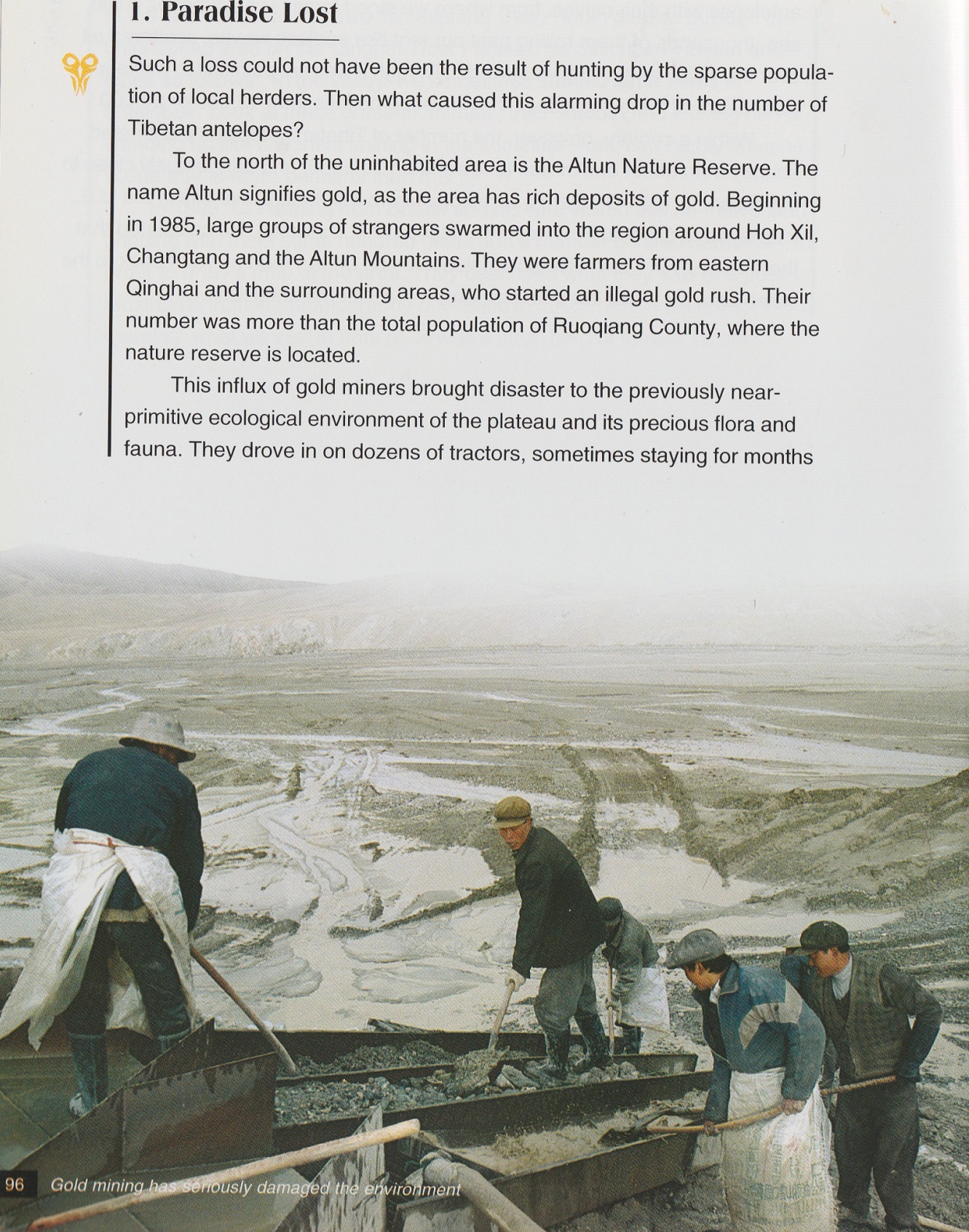
If there was alluvial gold in the streams, there would be much bigger deposits of gold that, if found, could be mined. Teams of official geological surveyors were exploring, drilling, sampling, testing for gold. Sonam Dargye saw this but had no knowledge of how rock samples are tested for the presence of gold. He did see the potential of gold as key to financing local communities.
G0LDEN SECRETS
In today’s world environmental advocacy, and promoting development are usually opposites. Not so in 1980s backblocks of Tibet.
Well before pioneering geologists discovered large copper deposits across Tibet, which also contain gold and silver, earlier prospecting teams dug and tested in remote areas of the Plateau. Some were from the official Geological Survey teams, some were from the Peoples Armed Police, responsible for repressing Tibetan protests, but with a Gold Corps enabling PAP to self-finance. A celebratory China Daily official media story, headed “Soldiers of Fortune”, explains: “In 1974, Premier Zhou Enlai asked Vice-Premier Wang Zhen to find ways to boost gold reserves. In 1979 Wang decided to use military expertise. The Gold Mining Unit was created by reassigning soldiers of the People’s Liberation Army. The unit was given an initial mission to conduct a national survey and produce 150 tons of gold by the end of 1985. That year saw the unit brought under the command of the People’s Armed Police Force and was overseen by the Ministry of Metallurgical Industry (now defunct) and the Ministry of Public Security.”
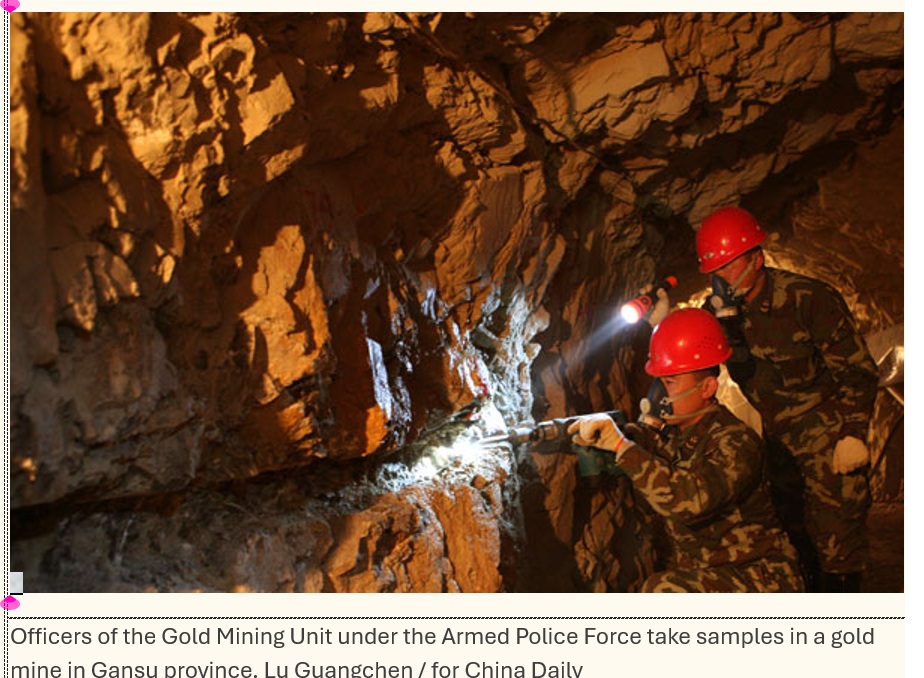
Sonam Dargye could see the surveyors at work, but needed to figure out how they identified gold, which usually is only a few grams in a ton of rock. He negotiated mastery of technique in the classic Chinese way of cultivating guanxi. He understood how to network, Chinese-style.
Liu Jianqiang: “In a report for China Youth Daily, Wang Weiqun wrote that one day, a group of Chinese geological surveyors arrived in Suojia. Sonam Dargye cleared out the best room for the surveyors. He fired up yak dung for a blazing fire to boil water, making the room warm and cozy. The surveyors hardly ever received such a warm reception from the cadres. Standing tall and strong with a full beard covering his face, this party secretary was not only capable but also genteel and polite.
“When the members of the survey team were ready to take off, they had trouble hiring yaks and horses for their transport because the herdsmen asked for excessively high prices. Sonam Dargye rode out on his black mare to seek out the herdsmen. He told them that the survey team was here to seek out mineral deposits to help everyone to get rich so that they all should help the surveyors. He bought two bottles of liquor to treat the surveyors.
“After spending two seasons with the survey team, he learned the methods of finding minerals: identifying mineral samples, reading maps and determining position. The surveyors told Sonam Dargye that since he could not solely rely on cattle for modernization, he should go into Kekexili— there was gold in Kekexili. In the mid-1980s, gold was discovered in Kekexili. In the following gold rush, more than thirty thousand illegal prospectors entered Kekexili. Kekexili, which had remained silent for a million years, suddenly had its insides cut open.”[7]
Sonam Dargye had captured the state, discerned the inner workings of scientific modernity, was planning to get to the gold, to finance local Tibetan community development. Was this transactional Party secretary treating the Party as a counter-party, to work with, for or against, depending on the circumstances?
DUTIFUL
Until Tree of Life in 2026, the most detailed official version was a book published by Foreign Languages Press in 2004, “Tracking Down Tibetan Antelopes”. FLP was under the Publicity Department of the Chinese Communist Party. In this book “the Western Wild Yak Team” is presented as agents of China’s nation-state extending its reach, yet also as heroes far beyond the reach of an uncaring state. “The Wild Yak Team members are confronted not only with the harsh natural conditions, but also with a lack of funds. Since fuel is limited, the team only has two meals a day during their patrols. Most of the lakes in Hoh Xil are saline, so food cooked in lake water is usually bitter and salty. During the hours between breakfast and dinner the team members live on frozen steamed bread.
“Once suspicious tracks are found, the team follows them, on some occasions, fortwo to three days. It is routine to get stuck in snow and ice. In order to save gasoline, the team always takes shortcuts, and 80 percent of the time they drive on frozen lakes. When a patrol is completed, the team members are exhausted after weeks of life in the bleak wild. Their hands and feet are frostbitten, and their ears peel.
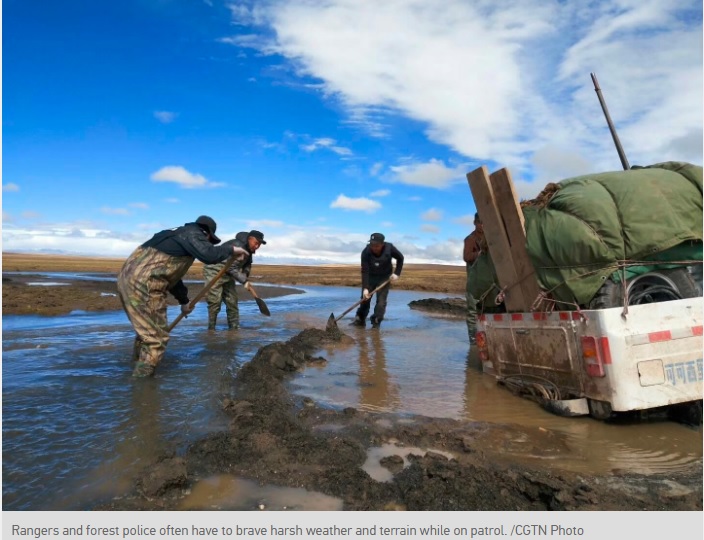
“On a patrol in Hoh Xil, the team’s vehicle broke down, and the four team members were stranded in the wilderness for one week. Their food soon ran out and they were on the verge of death. Garinchen suggested the others kill him and eat his flesh. But Jangwenkrashis grasped his gun and was ready to shoot himself, saying he would die to feed the others rather than eat one of his brothers.”[8]
Top priority for this Tibetan team was the thousands of looters, ripping apart river beds and massacring antelopes. The Western Working Commission would first have to deal with them. The relevance of remembering Sonam Dargye as motivated by China’s promise of a new heaven on earth, is because he was first and foremost searching for any opportunity for development projects that would enable local communities to prosper. He was an entrepreneur of modernity.
He and his team were neither agents of state power, nor romantic environmentalists fascinated by charismatic wildlife. They weren’t risking their lives confronting armed hunters as early adopters of a party-state embrace of ecological civilisation; nor was protection of adorable antelopes their primary concern. All of this has been erased by Tree of Life.
RETELLINGS APLENTY
All subsequent tellings have airbrushed out what prompted this team to go to the chiru calving grounds. Environmental journalists wanted the men of the Mountain Patrol to be saints of wildlife protection. The party-state wants them to be model worker heroes of extending the reach of the ecological civilisation state to the remotest landscapes. All wanted superhuman gods of no-man’s land.
All of that was superimposed later, first by the many Chinese journalists who joined the patrols, then by the party-state and its nation-building ecological civilisation agenda.
Sonam Dargye and his team of mountain patrollers are the subject of a chapter in Liu Jianqiang’s book, while the prior chapter focuses on Karma Samdrup. Hence the original title, in Chinese, of Liu’s 2009 book 天珠 - 藏人传奇, which translates as The King of Dzi. Six years later the 2015 English translation was called Tibetan Environmentalists in China, with The King of Dzi a subtitle; reflecting the shift in focus, from Tibetans as start- up entrepreneurs to Tibetans as the frontline protectors of iconic wildlife.
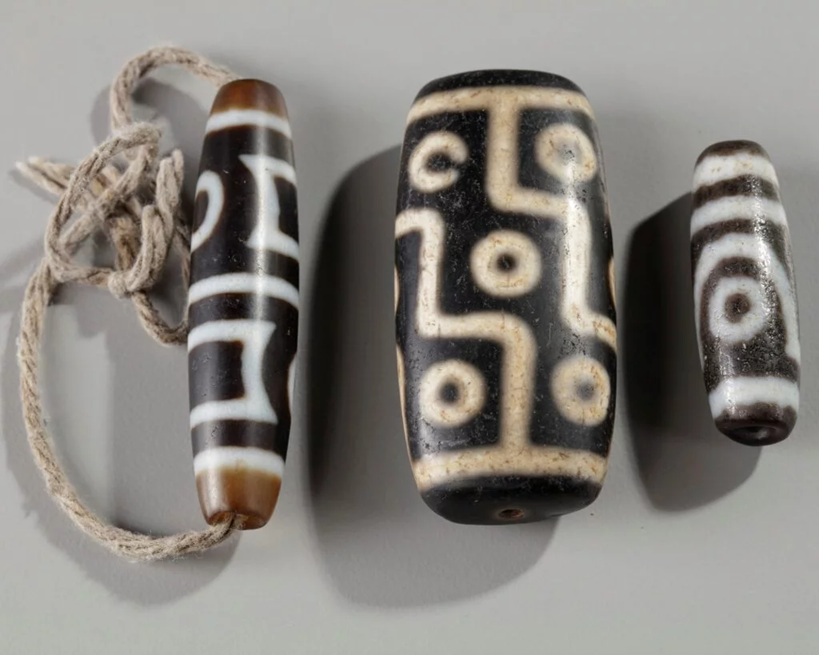
Karma Samdrup, whose success as a trader of culturally valued dzi stones གཟི། was initially celebrated in Deng Xiaoping’s era of getting gloriously rich, with a national award: “In 2006, Samdrup was named Philanthropist of the Year by state broadcaster China Central Television (CCTV) for ‘creating harmony between men and nature’.” His subsequent jailing and a very long prison term made this a major human rights violation case.
“Gzi (pronounced zee) is one of the most precious stones found in Tibet. Neither has anybody discovered how the markings on the Gzi were made. Gzis are of different and many types, including the one with chu-mig or “water eyes.” Though it is difficult to be definite that people used Gzi ornament and decoration in ancient times, it may be assumed that Gzi commanded the same value as money in our age because of the different type of art-work on the Gzis and the number of the ‘water eyes’. Judging from the fact that all Gzis have holes it is possible that the people in ancient times used them as ornaments. Gzi is a rare stone unique to Tibet. Some of the Gzis are from the store-houses and treasures of ancient Tibetan families. Many are found underground or in ruins and fields, and sometimes from the remains of once high mountains and hills. Yet there is nothing astonishing in these discoveries because most of the palaces and even the empires of reputed Zhangzhung kings, who lived over three thousand years ago, are today either in ruins or extinct.’[9]
Today China “the world’s most complete industrial system” manufactures dzi stones in factories, further undermining entrepreneurial Tibetan “kings of dzi.”
This isn’t just about correcting the record. It’s about the first generation of Tibetans who grew up under China’s occupation, who studied in China’s new minority nationality universities, then witnessed at first hand the gap between China’s slogans promising material wealth and China’s lack of interest in investing in rural Tibet’s comparative advantages, chronic underinvestment in pastoral livestock lands and farms. State failure.
There were many enterprising Tibetans who saw what modernity and development could bring to Tibet, and took the initiative to bring them. The prisoner Karma Samdrup and the heroic martyr Sonam Dargye are among them. Likewise the 10th Panchen Lama. With skill, energy and familiarity with CCP jargon, they frequently managed to manage the party-state, capturing it at a local level. This is a story seldom told.
How did “the king of dzi” become heroes of Tibetan environmentalism? The story unfolds,
ASSIGNING HAN CHINESE CHARACTERISTICS TO REMOTE TIBETAN ANTELOPE LANDSCAPES
In official propaganda Tibetans are routinely presented as grateful but passive recipients of China’s benevolent investment in development, modernity with Chinese characteristics. Official messaging routinely insists prosperity awaits the backward, poor, remote Tibetans, whose smiles banish from tourist minds any lingering memories of the days, less than20 years ago, when Tibetans were endlessly, generically depicted in official media as “burning, looting, rioting. killing” any Han Chinese.
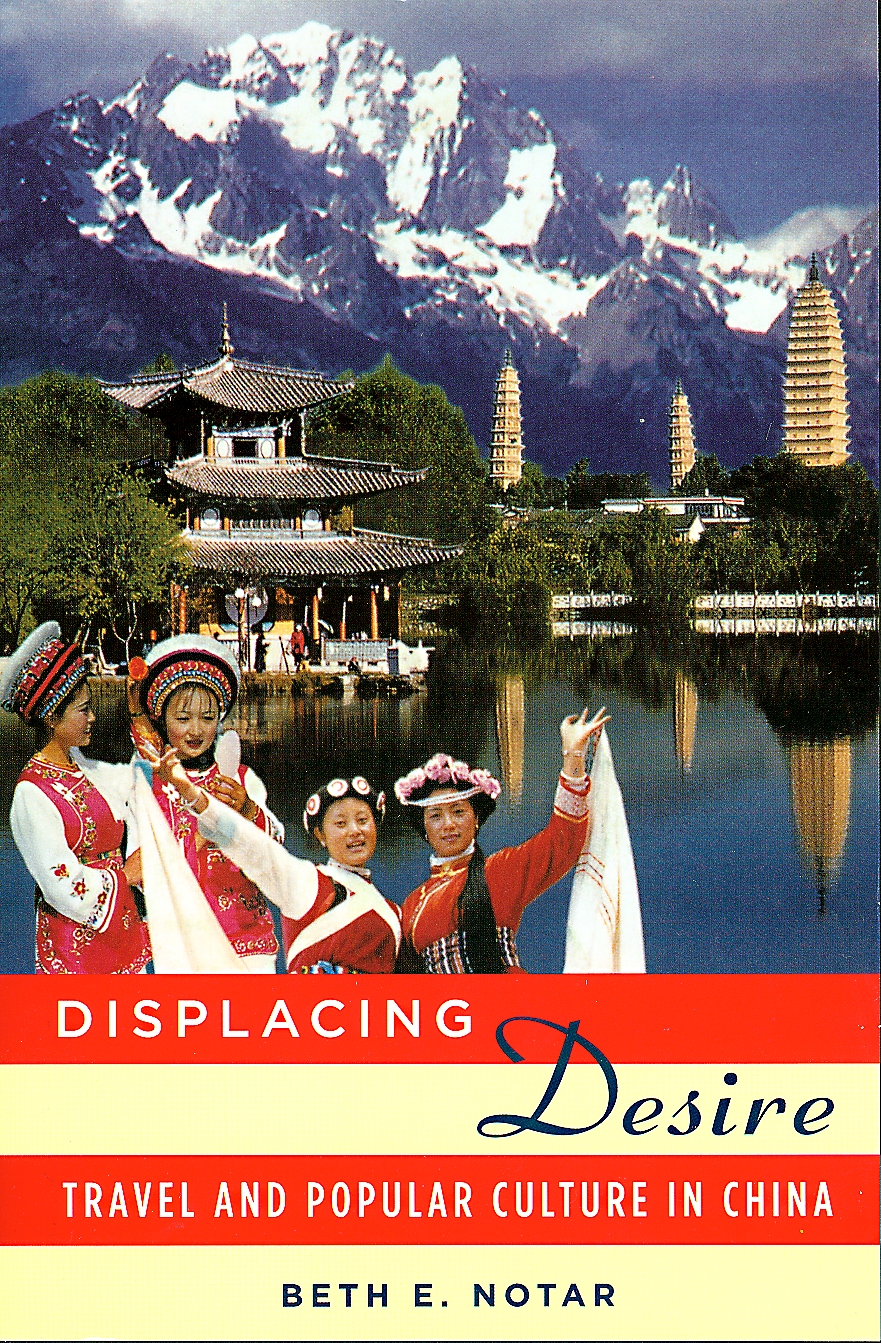
But Tibetans today performing the scripts of mass tourism are not voiceless, nor are the many minority nationalities across China for whom mass tourism arrived 20 or 30 years ago. Ethnographers such as Ashild Kolas, Timothy Oakes, Beth Notar and Pal Nyiri have given us closely observed thick descriptions of China’s program of colonisation by tourism; well before hospitality industrialisation came to Tibet.[1] Their fieldwork insights give us much to chew on, to reflect on mass tourism as a new way of assimilating nonHan, and how local communities can maintain dignity and identity. The nation building agenda of mass tourist traffic into remote, minority nationality areas has been studied in depth.
Assimilating Tibet into China deploys coercion, notably the Ethnic Unity Law of 2026. Yet assimilation has a seductive aspect too, today’s promise of access to wealth through welcoming mass tourism. How do minority nationalities respond?
From in-depth anthropological reports we discover how the exoticised natives manage to negotiate roles that maintain identity, dignity, agency. Tim Oakes, pessimistic about what he witnessed among the Miao of Guizhou in the 1990s, when inland Guizhou was roughly at the tourism industrialisation stage Tibet (outside Lhasa) is at now: “The past is now a modern invention, and that modern subjectivity can only be achieved by claiming (indeed, by inventing) the past for oneself.
“The state proceeds from the perspective that modern subjectivity is indeed expressed most profoundly in the form of the tourist. The prospects for a rational, disciplined, and patriotic modern society in China are very much being laid on the doorstep of the tourism industry. ‘Modern Chinese’ are encouraged to travel, to see the sights, the theme parks, the landscape of the nation to which they belong. Nor is this something that has come about only recently.
“If tourism is indeed being marshalled in such a way by the state and its modernization project, then we are indeed obliged to question the assumption that the modern Subject is most compellingly found in the form of the tourist. The objectifications of modernity are always resisted, reworked, and manipulated, and in China’s case this is most profoundly seen among those who are on the “supply side” of the tourism experience. It is there that we need to look for instances of a more “authentic” modern subjectivity in China. Villagers thus face the full force of the state’s integration and modernization agenda in the form of tourism development. In Guizhou, we have seen this in the various ways the ethnic tourism industry is promoted as a means of “cultural development”—in which development and modernization objectives are coupled with a rhetoric of preservation and heritage.” While no doubt naive about the exploitative machinations of the tourism industry, they very clearly understand both the high stakes of their pursuit of modernity and the misplaced desire for authenticity and tradition among metropolitan tourists. They believe that, beyond tourism, there is very little else on the immediate horizon for their communities as they attempt to escape the trap of rural poverty and continued dependence upon an increasingly degraded resource base.
“They are displaying a “commercial conscience” that will eventually benefit the needs of capital accumulation as profit-minded investors look more and more to interior regions such as Guizhou where poverty will drive people to sell their labour for almost nothing. They are also displaying a kind of patriotic duty in volunteering to help build the (multi)national mosaic of the Chinese nation-state. They will willingly accommodate the expectations of the state and metropolitan tourists in upholding a mythical construction of “the folk,” as long as it promises to increase their incomes. They will even appropriate and internalize the state’s cultural and ethnic categories, and reproduce these in the discourse of their daily lives.”
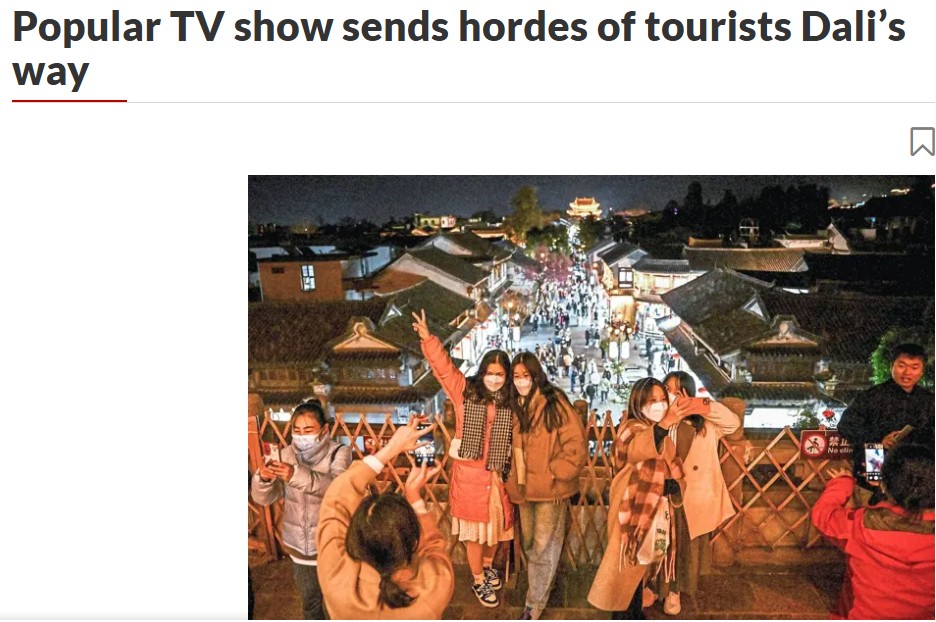
Jumping from Oakes amid the Miao nationality, in 1998, to China’s tourism marketers in 2026: “China’s consumer market, including its tourism market, is increasingly focused on personal interests and treating oneself. Marketing shifted to the “I love you, dear self” 爱你老己, Ai Ni Lao Ji trend that’s been viral on Chinese social media since the end of last year. After China’s Labor Day holiday at the start of May, RedNote and Fliggy reported that “travel for myself” was one of the top trends, with consumers planning trips to suit their personal needs and interests.”
What happens when rich Chinese travel consumers encounter remote ethnic villagers? Oakes:“The march of hopeful village heads becomes a pathetic gesture of submission and tribute to the irresistible normalizing powers of the state and capital. If this is the case, the “false modern” is not only triumphant but remains the only meaningful characterization of the modern experience, reducing the potential for an “authentic” modern subjectivity to a naive illusion.
“This would include the misplaced search for authenticity and tradition in other peoples and places, as a kind of “ballast” to the volatility of modernity, but is most profoundly exemplified in both the normalizing power of the state and its agenda of national integration and patriotism, and in the disciplining power of capital and its need to exploit surplus labour power.
“By turning our attention to rural China in the late twentieth century we come face to face with the truly confined space of opportunity that “authentic” modern subjectivity offers. The lives of most Guizhou villagers are such that modernity is thought of as something far away, something perhaps found in the cities, and certainly something intimately linked to the distant yet powerful state. Rural Guizhou remains a society dominated by the legacies of internal colonialism, and as with colonialism throughout the world, the notion of subjectivization goes a long way in revealing the ways in which the experience of modernity is largely about reproducing the powers of the state and of capital.…the very limited opportunities available to villagers for constructing an authentic modern subjectivity. In this sense, village subjectivities are being fashioned by appropriating and manipulating dominant representations of the state’s minzu shibie project, its wenhua fazhan project, and the tourism industry’s “exoticization project.”
“They are also explicitly expected to ‘play the part’ of the quaint ethnic folk, displaying for metropolitan tourists (the vast majority of whom, remember, are Chinese) a living version of China’s (multi)national mosaic. The visits by officials from the NT [National Tourism Administration] and the state cultural bureau offer the clearest evidence of the state’s expectations in this regard. Officials came to Langde explicitly for the purpose of impressing upon villagers their responsibilities in upholding the message of the Chinese nation-state, in which heritage and tradition must be preserved in order to construct a sense of continuity, a kind of glue to hold together the increasingly fragmented terrain of modernization. Finally, Langde villagers are also expected to surrender to the better judgment of the local tourism industry (in fact a mere extension of the local state), which seeks to retain the exclusive right to control Langde’s tourism development program.
“We may find instances of resistance among villagers, but that their subversion of the state’s objectives is achieved via rhetorical manipulation of the state’s own discursive categories.
”Locals have manipulated the rhetoric of authenticity to maintain distinctions between themselves and outlying communities. Indeed, villagers in outlying communities have been active in claiming to be the “more traditional” villages vis-à-vis Zhaoxing proper. Thus, state-sanctioned tourism development, in the hands of locals, is producing a hierarchy of authenticity and tradition between Zhaoxing, Jitang, and more distant places. This is occurring not so much out of competition as out of the need of villagers to exercise some control over the process of development—a process in which authenticity itself has become the most valuable currency”.[2]
Chinese tourists readily accept “authentic replicas” of local ethnic culture displays, as satisfying what they came for. In English “authentic replica” sounds contradictory. It can’t be both authentic and replica, all at once. No such binary troubles Han tourists, as Ashild Kolas discovered, in the late 1990s, on the fringes of Tibet, as Gyalthang Dechen was rebranded as Shangrila:
“Shangrila may well be described as the space of a dream. It is a place where the Tibetan is fantasized, although Tibetan culture is simultaneously made into a marketable commodity for tourists. Tourism is not just a business where tourists use (or abuse) the commodified Tibetan, but also, and perhaps more importantly, a stage where locals can act out their own visions of Tibetan identity, vis-à-vis Han Chinese as well as other minorities.
“New notions of place and ethnicity propagated by the Chinese state were very different from those previously held by the inhabitants of Gyalthang. One of the differences was that ethnic identity was far more rigidly defined by the state than were earlier ethno-regional identities. In fact, the Communist state essentialized the ‘ethnic’ and propagated stereotyped notions of the state-sanctioned ethnicities, among them the ‘Tibetan’. The ‘Tibetan-ness’ associated by most tourists with the name of ‘Shangrila’ has drawn on this Communist view of the ‘Tibetan’, but does not merely replicate it. The marketing of ‘Shangrila’ has highlighted this new view of the ‘Tibetan’. While reinventing the area as a ‘Tibetan’ place, this marketing has contributed to reinterpreting the meaning of the ‘Tibetan’ itself. In an important sense, the Gyalthang area has become more explicitly ‘Tibetan’ than ever before. If we acknowledge the close links between place-making and identity politics, it becomes evident that the promotion of ‘Shangrila’ has created opportunities for Tibetans to renegotiate the meanings of the ‘Tibetan’, and to reinforce local Tibetan identity vis-à-vis other minorities as well as the Han majority. Chinese authorities promote the image of China as a unified, multicultural, multiethnic state. Within this context, some view ‘Shangrila’ as a model for the oft-cited ideal of the ‘unity of nationalities’ (Chinese: minzu tuanjie). Many Chinese still see the ‘minority nationalities’ as representatives of the more colourful, exotic and ‘traditional’ varieties of Chinese culture, and the Han as representatives of the more ‘modern’ and cosmopolitan culture. Minority minzu elites do not necessarily share this view but have their own interests and agendas. Tourism has provided some of these groups, including Tibetans, with new opportunities to represent their ‘cultures’. Tibetan officials and tourism developers in Shangrila are actively taking advantage of these new opportunities to ‘revive Tibetan culture’ and reinvent Tibetan identity in much more positive terms than has been possible in previous decades.
“Does this mean that all issues of authenticity are irrelevant? On the contrary, the key questions that have been raised in this study are all related to issues of authenticity. How is place made real in contemporary Shangrila? Does tourism result in a deterioration of ‘cultural meaning’ and produce ‘pseudo-communities’? And if identity has ‘historically been founded on place’ (Urry 1995), can ‘dreamscapes’ provide people (the ‘visited’ as well as ‘visitors’) with a sense, or senses, of identity? Answering these questions requires first of all an investigation of local debates about ‘authenticity’, and especially the marking of objects and cultural representations as ‘authentic’. As described earlier, tourism has encouraged debates in Shangrila about the characteristics of ‘culture’, and how this ‘culture’ might best and most accurately be presented to tourists. For instance, a Tibetan tour guide described what was marketed as a ‘visit to a Tibetan family’ as an event where tourists ‘in the hundreds’ have a party and watch singing and dancing. According to him, these places were ‘built by rich people around here’ and had nothing to do with ‘real family houses’. Several villagers also expressed dissatisfaction with performances staged at ‘Tibetan family houses’ for their lack of accuracy in representing the ‘real’ homes of Tibetans. As one villager argued: The tourists would be better off visiting the homes of Tibetan families in the villages. That would be very good for them, since they would learn much about the Tibetan way of life and Tibetan culture. In the ‘Tibetan family house’ [zangmin jiafang], what the tourists see is not authentic [zhenshi], not like the real [zhen] homes of Tibetan families. I asked a Tibetan friend whether the dances performed at the ‘Tibetan family house’ were similar to those local people would dance at bonfire parties, or at home around the central pillar of their house. She replied that from what she had heard, the dances at the ‘Tibetan family house’ were ‘more like Deqin dances, not like dances around here’, and concluded that those dances were not ‘authentic’.
“Local Tibetans are keenly aware of the touristic quest for the authentically Tibetan. The ‘authentic Tibet’ sought by Western tourists has been described by Cingcade (1998[3]), who argues that tourism offers opportunities for different actors to represent their vision of Tibet. In so doing, the Chinese state propagates a view of Tibetans as a unique and exotic people who have always lived in harmony in China. The ‘authentic Tibet’ sought by the Western tourist is a Tibet ‘unspoiled’ by the presence of modern infrastructure, Han Chinese migrants crowding the city streets, hoards of tourists in the Potala, discos, karaoke bars and ‘the mediocrity of everything new’ (Cingcade 1998: 17). The ‘authentic Tibet’, for the Western tourist, is thus found in remote rural villages, and particularly at monasteries and other sacred sites. When I asked a Tibetan official in the prefecture tourism department what attracted tourists to Shangrila,[in] his description only a few were from Western countries: ‘That’s because Westerners want to take the initiative themselves to find out about the local culture. They don’t like going in groups. They think these places are very commercialized [mao yi hua le], and that they don’t represent the natural, primeval culture [ziran de yuanshi de wenhua]. The Western attitude is that of the observer, and what they want is to be able to observe and understand the values of the local culture. The difference in mentality is that Westerners want to see the normal everyday life, not the commercialized culture, whereas the Southeast Asians and Chinese have a strong desire to participate, and want to see the magnificence of the entertainment house.”[4]
PUPPETS?
What do Tibetans achieve by dancing on cue? Do they assert new modes of agency by performing themselves? When always smiling Tibetans dance and sing, on cue, as each tour bus arrives, does this mean they have been reduced to caricatures of Tibetan identity? Are they mere disempowered ciphers, holograms of their former selves, phantoms of operatic performativity?
If travel is a quest for authenticity these staged displays are not the sought encounter with authentic others, just a caricature, a fake, perhaps deepfake mimicry of the real. But is the neatness of this dualism just too neat?
It may be that Tibetans retain agency even when onerous regulations restrict herd size and ban grazing from areas classified as overgrazed. It may be that Tibetan thangka painters and movie makers maintain classic Tibetan perspectives on what matters, despite commercialisation of their output.[5] It may be that Tibetans framed by the gaze of the security state, plus the gaze of the tourist masses, nonetheless regain agency by performing authentic replicas of Tibetan dance moves and songs. It may be that for decades Tibetan modernisers have apprehended the material world of socialism with Chinese characteristics, and found within it opportunities that re-empower Tibetan communities to enter modernity on their own terms.
[1] Tim Oakes, Tourism and Modernity in China, Routledge 1998
Åshild Kolås, Tourism and Tibetan Culture in Transition: A place called Shangrila, Routledge, 2008, 122-126
Pál Nyíri. Scenic spots: Chinese tourism, the state, and cultural authority, University of Washington Press, 2006.
Beth E. Notar, Displacing Desire: Travel and popular culture in China, U Hawaii Press, 2006
[2] Tim Oakes, Tourism and Modernity in China, Routledge 1998, 222-228
[3] Mary L. Cingcade , Tourism and the Many Tibets: The Manufacture of Tibetan “Tradition”, China Information, Volume 13, Issue 1, 1998 https://doi.org/10.1177/0920203X9801300101
Kamila Hladíková. Red Tourism: Spirituality, Modernity, and Patriotism in China’s Tibet, in The Routledge Handbook of Language and Mind Engineering, 2024
[4] Åshild Kolås, Tourism and Tibetan Culture in Transition: A place called Shangrila, Routledge, 2008, 122-126
[5] Françoise Robin, Performing Compassion: A Counter-Hegemonic Strategy In Tibetan Cinema? Asia/Onlus, Rome, 2009
[6] Topla Tsangtruk, The Prince of Shambala: A Biography of the Tenth Panchen Lama LTWA, 2022
A Poisoned Arrow: The Secret Report of the 10th Panchen Lama, 七万言书; ཡིག་འབྲུ་ཁྲི་བདུན་གྱི་སྙན་ཞུ, Yig ‘bru khri bdun gyi snyan zhu, Tibet Information Network. 1998, downloadable from https://tibet.net/wp-content/uploads/2015/04/FROM-THE-HEART-OF-THE-PANCHEN-LAMA-1998.pdf
[7] Liu Jianqiang, Tibetan Environmentalists in China, 89-90
[8] Tracking Down Tibetan Antelopes, 2004, 128-9
[9] Namkhai Norbu, The Necklace of Gzi, Dalai Lama’s Information Office, 1984,1-2