RECTIFY CRUMBLING RED TOURISM & INERT CADRE FORMALISM
PART 2 OF SPEEDING SINICIZATION OF CENTRAL TIBET
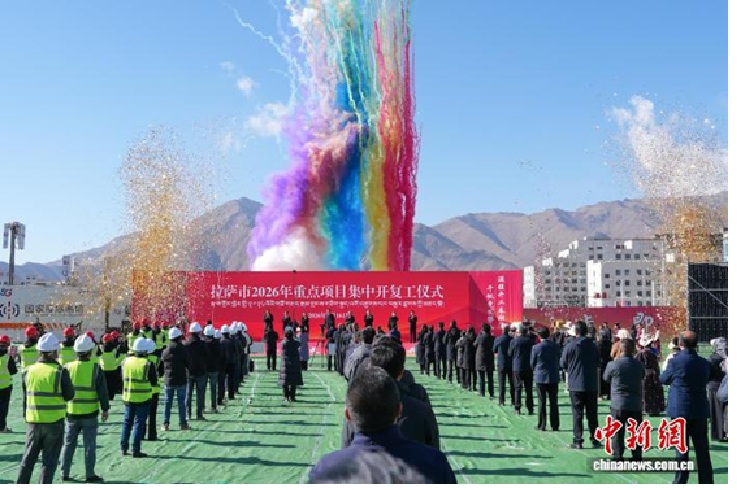
Nostalgic revival of the enthusiasms of the revolutionary years today sweeps across China. That includes Tibet, despite its paucity of sites signifying enthusiasm for revolution, communisation, famine and urgent campaigns to smash everything old.
Although reviving red tourism is on the Lhasa Mayor’s list of 1036 urgent projects, there is a long way to go, many years of decay to first be rectified.
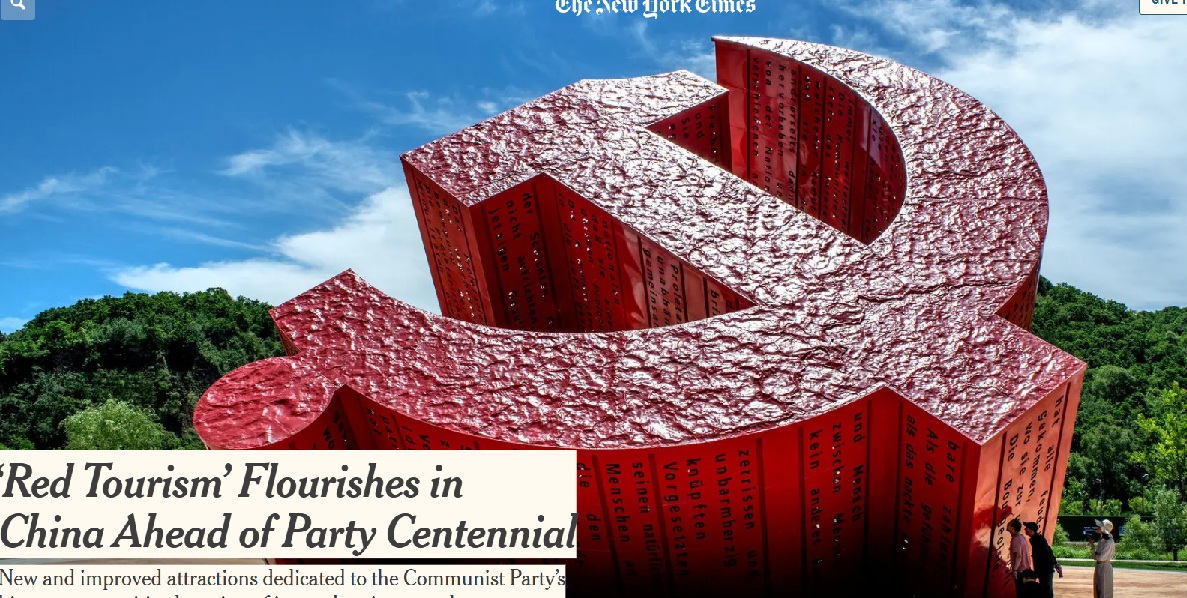
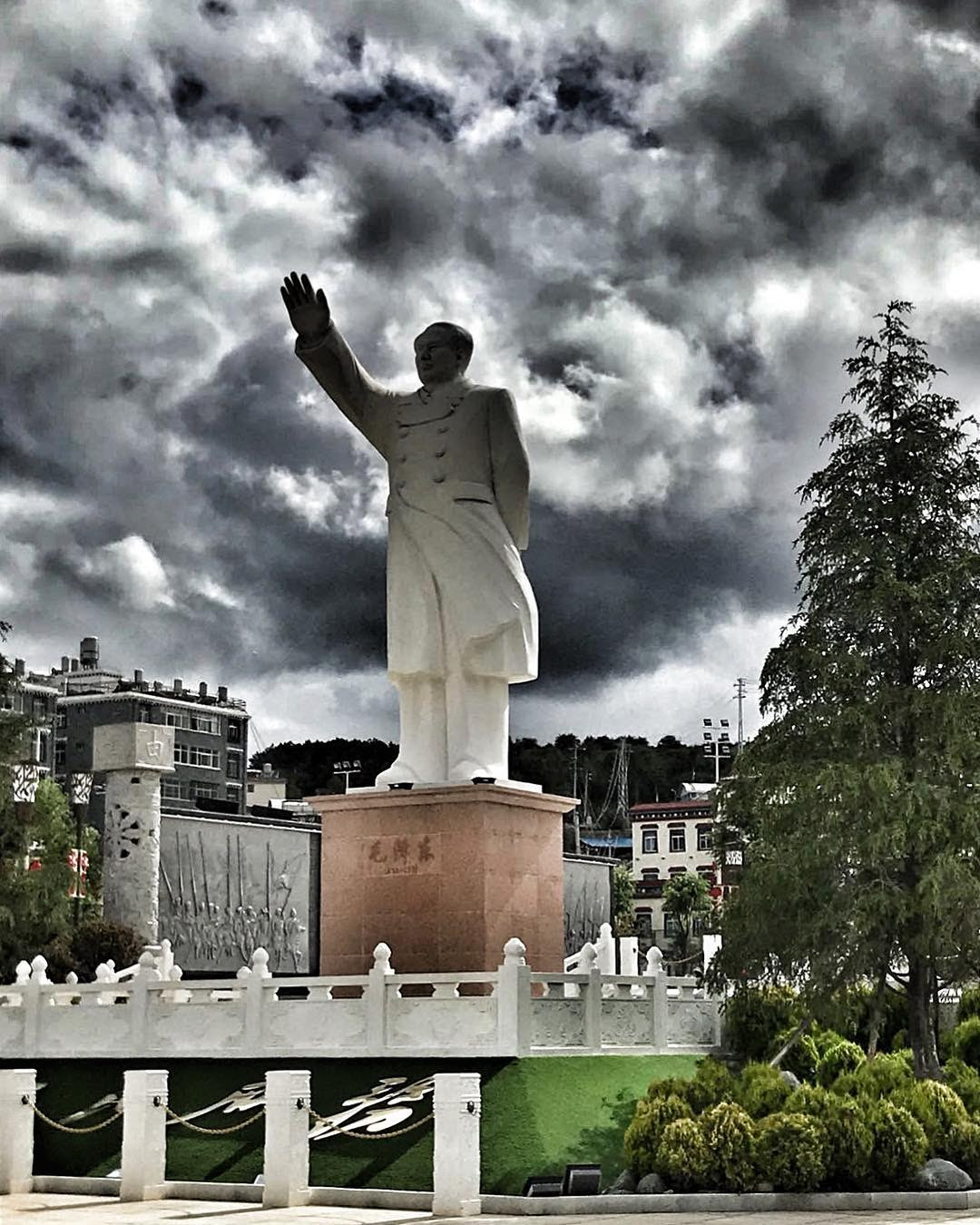
Red revolutionary tourism is now promoted as a major portion of China’s massive tourism market, as a way of experientially encountering, feeling the emotion, of the backstory of the revolution that heroically remade China. Mao’s birthplace, and so on.
But in Tibet that backstory of local enthusiasm to join the revolution is a bit thin on the ground, so new destinations have to be invented. Central Tibet, still technically Tibet Autonomous Region, is rather short on sites that display any Tibetan welcome for being invaded by China’s revolutionaries. There were almost no Tibetans who embraced Marxism and class warfare. The iconic 1936 Long March of revolutionary troops in retreat passed bloodily through Amdo, but not Ű-Tsang, central Tibet.
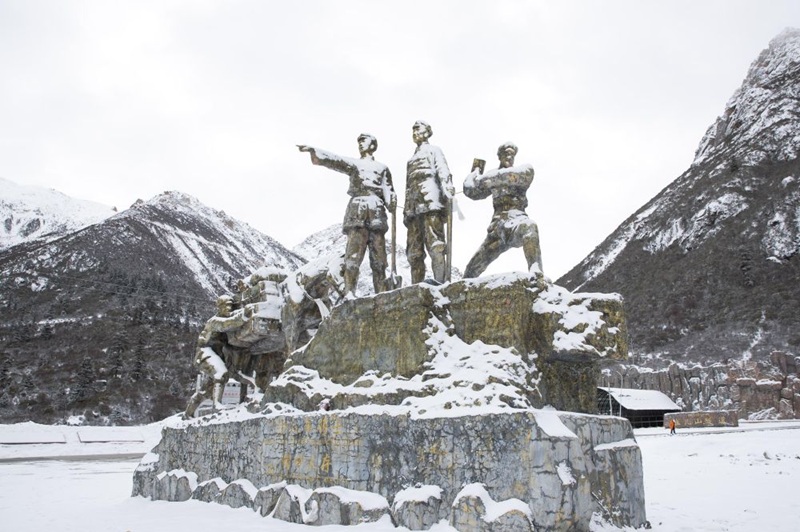
Nonetheless, Xi Jinping frequently invokes the “spirit of old Tibet老西藏精神”´as a historic reality to be emulated and venerated by today’s generation. Which “old Tibet” is he referring to? Tibet has a long and deep history, and a strong historic consciousness, but Xi is referencing none of that.
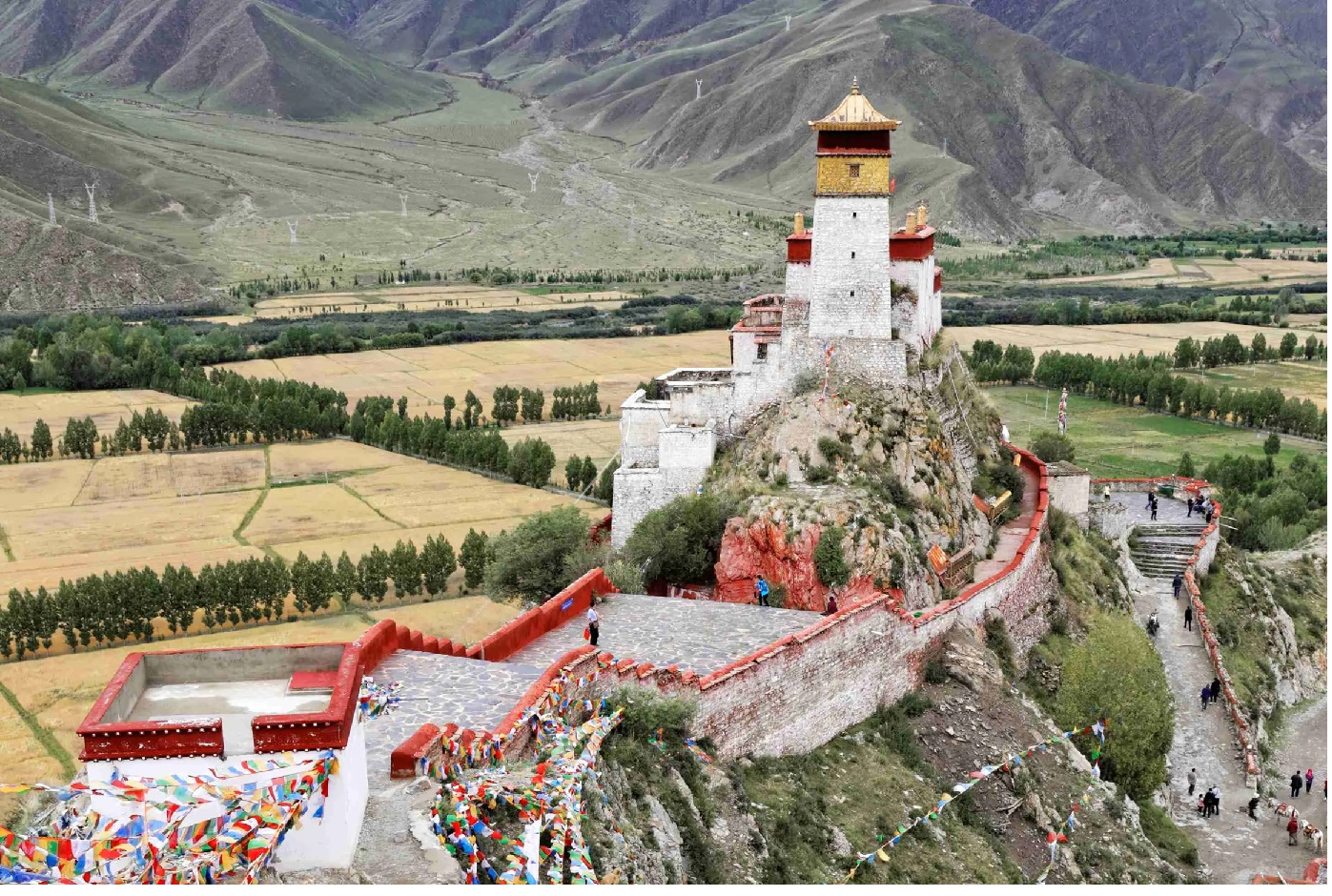
Xi Jinping’s “old Tibet” is the revolutionary years of the 1950s and 60s, when Party zealots volunteered to be stationed in Tibet, to smash everything old, liquidate the lamas and leaders of Tibet, urge class warfare, herd Tibetans into communes. That is “old Tibet”, a nostalgic replica of a fictitious past; fictitious because the zealots failed to generate any enthusiasm among Tibetans to become communists. So there is nowhere, in Lhasa or across central Tibet, where Tibetans manifestly welcomed their conquerors.

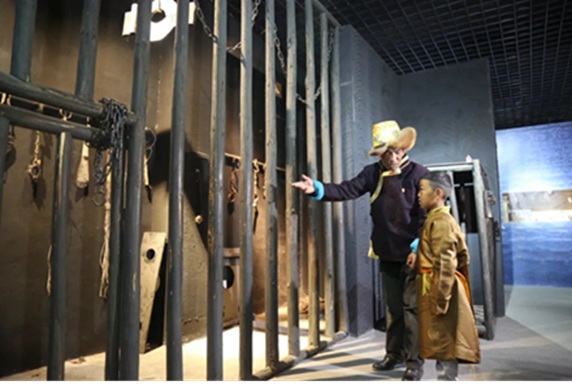
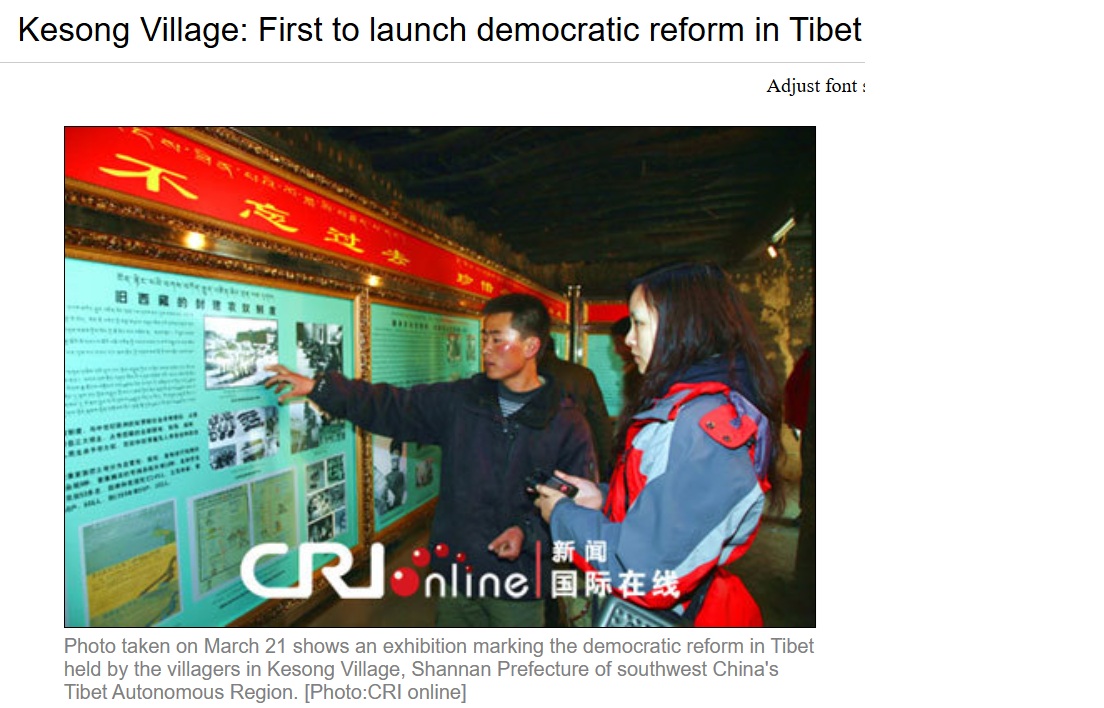
However, a new past can be retrofitted, making “old Tibet” tangible, a new destination for red tourism. That is why the farming village of Kesong, in Lhoka (Shannan in Chinese) attracts 20,000 red tourists to its Feudal Emancipation Museum, 克松封建解放博物馆 recently rebuilt to celebrate the 1959 decision by village farmers to set up a farmers cooperative. Ideologically, this signifies their embrace of the revolution. Rebuilt, it remains a static diorama of propaganda orthodoxy.
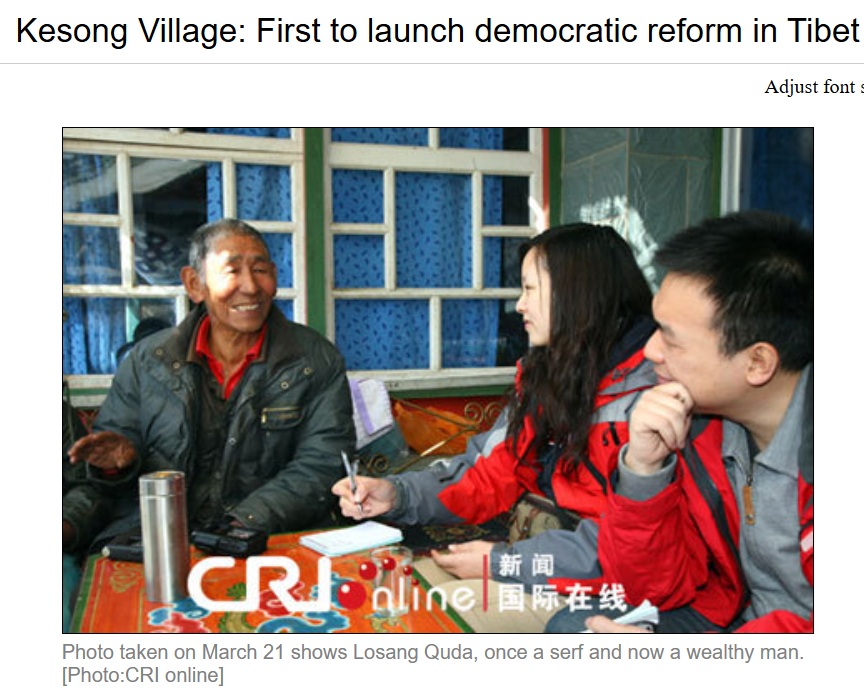
When Xi Jinping briefly inspected Tibet in August 2025 to issue new instructions, he chose one of his top generals to accompany him and then go to Lhoka Nedong Kesong village to anoint it as a sacred red tourism site. General Zhang Shenmin obliged. Kesong and its Feudal Emancipation Museum now have the highest official blessing as a “Patriotic Education Base of the Tibet Autonomous Region’ and a ‘National Unity and Progress Education Base of Shannan City.”
DECAY
Because red tourism is a serious business it has been seriously studied, in Tibet by Ding Cuicui’s 丁翠翠 2021 doctoral dissertation at Tibet University’s School of Economics and Management. In her 220 page analysis she notes that “The development of red tourism resources lacks depth and suffers from low visibility. Although Tibet’s red tourism resources are rich in regional and ethnic characteristics and hold significant representativeness in the history of the Chinese Revolution, there is a problem with the development of “red resources” being treated as purely red resources, that is, a problem of one-dimensional development. red tourism. Internal promotion within the institutions managing these resources largely relies on traditional methods such as physical displays, pictorial and textual and display cases, whilst external promotional bodies, due to insufficient understanding, lack of materials and a shortage of specialised talent, are unable to effectively utilise new media such as Weixin WeChat, the internet and short videos to vigorously promote local red tourism resources. This has resulted in low awareness and limited influence of local red tourism resources, with both domestic and international tourists having scant knowledge of them, thereby creating certain difficulties for the development of red tourism. The development of red tourism products is at a preliminary stage.
“Issues such as insufficient promotion, limited funding, a shortage of specialist talent and a lack of vigour in implementation persist. Apart from the eight national classic red tourism sites listed in the *Outline for the Development of National Red Tourism (2016–2020), which have shown relatively good development in terms of source market development, destination construction and innovation of red tourism products, the red tourism resources in other [Tibetan] prefectures and cities remain largely at an initial and extensive stage of development due to factors such as low profile, small scale, and insufficient conservation and restoration. Consequently, the benefits derived from their development fall far short of the intrinsic value of the resources themselves.
“Most red tourism sites in the Tibet region are located on the outskirts of counties and districts, in relatively remote locations. The infrastructure required for tourism activities—such as transport, communications, internet access and accommodation—is underdeveloped, significantly reducing accessibility for visitors. Furthermore, research has revealed that, as red tourism sector in Tibet started relatively late, there is an acute shortage of funds required for its development, and there is a severe lack of professional personnel. Some red tourism sites not only lack relevant funding but also have no staff or tour guides, and are merely entrusted to the relevant civil affairs departments for management. This lack of both hardware and software facilities has, to a certain extent, affected the shaping of the local tourism image and the development of the tourism economy.”[1]
RECTIFYING RED TOURISM, REVIVING RED GENE PATRIOTISM
General Zhang’s 2025 high profile tour rectifies these weaknesses. Now a more imaginative and contemporary approach makes a virtue of the lack of a red backstory of revolutionary Tibetans; by instead making the archipelago of new frontier villages a new category of red tourism, in which resettled displaced Tibetans living harmoniously with nearby troop garrisons, jointly taking on the patriotic duty of patrolling the long frontier with India.

This innovative approach dispenses with fictive backstories of Tibetans welcoming the intrusion of China’s revolution. Now it is all about the future, of Han soldiers and resettled nomads harmoniously sharing the burden of patrolling China’s borders, patriotically enforcing security, which at times can mean shooting at Tibetans attempting to flee through the Himalayas. In current jargon this is called the “mechanism for joint border defense by the Party, government, military, police, and civilians to ensure border security and stability. 完善党政军警民合力强边固防机制,确保边防巩固、边境安全.”
The central Tibet 15th Five Year Plan 2026 – 2030 announces an accelerating drive to populate the border with securitised, surveilled Tibetans displaced from their customary pastures and farms. “We will support the development of key border county towns located in important strategic directions and key passage nodes, and build a border town system supported by border prefecture (municipality) central cities, with border county towns as the core and ports and key towns as nodes, serving the needs of major national strategies. Strengthen the construction of border-oriented towns, leverage the radiating and driving role of key towns along border corridors, and promote the construction of towns such as Zayu, Medog, Milin [Menling], Cuona [Tsona], Longzi, Lhozhag [Lhodrak], Yadong, Gyirong, Purang, Zanda, and Rutog. Utilize the Xinjiang-Tibet Comprehensive Transportation Corridor to support the construction of towns such as Saga, Zhongba, and Shiquanhe [Sengge Khabab]. Consolidate and increase the population of border areas, strengthen the construction of new border villages, and plan and construct housing and supporting facilities.”
PROPAGANDA DRIVES ECONOMIC GROWTH
The insertion of a massive hydropower project on the lower Yarlung Tsangpo, which brings new highways and railways to border districts provide the mass market of incoming tourists, and the infrastructure that enables access. The new approach is a commodification of propaganda, making patriotic tourism a market-making proposition.
A recent, sophisticated political economy study of red tourism, is very much in tune with China’s turn to consumerism. This Marxist update is by Lin Chunfeng, at East China Normal University in Shanghai, who spent years immersed in western Marxist scholarship while researching his doctorate in Illinois. Li tells us: “Commodification is an inseparable part of the social space of Red Tourism. Put very simply, tourism is an amalgam of history, politics, culture, collective memories, mediated communications, economy, and more. The first step of rethinking tourism as a social space is to think of it as a system, specifically a media system, more specifically a propaganda system. I attempt to reconstruct tourism as a propaganda system that operates through a mechanism whereby ideological messages are channelled into the market, disseminated by human travel, and (re)produced by consumption. Consumers of mass culture are mobilized for producing popular propaganda while being propagandized. This, again, devotes our attention to a profound social space of propaganda and, at the same time, turns the folklore notion of propaganda on its head. In this process, previously passive indoctrination becomes active consumption, manipulation camouflages as marketing, ideologies come in the guise of fictional narratives or visual-audio attractions, and finally, hegemony arises out of popularity. The upshot is that propaganda, a previously dull form of media communication, is now to be perceived as rather fantastically commercial. Popular culture is the marketplace of propaganda.
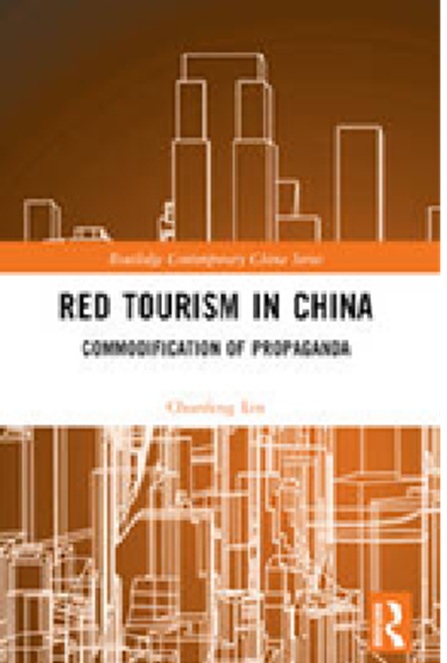
“A heritage tourism, Red Tourism is a kind of oxymoron. It is a yoking together of two extraordinarily powerful drivers in the cultural language surrounding China. On the one hand, “Red” is associated with ideology, discipline, and loyalty combined with a history of authentic struggle and liberation. On the other hand, tourism designates an ongoing process of capitalization. Eerily, this oxymoronicality of Red Tourism epitomizes the cultural imagination of contemporary China, in which the Chinese state seems simultaneously to be engaged in mining the past for its lucrative images and narrative resources as well as calculating a future linked to a kind of Red economy where propaganda roots, morphs, and thrives.”[2]
Lin Chunfeng, 2023. CoP is commodification of propaganda
CULTURE AS A MAJOR INDUSTRY OF FUTURE GROWTH
China’s turn to mass consumption of red tourism as a profit-making and nation-making industry, is in keeping with the party-state merger of culture and tourism bureaucracies in 2018 into a single ministry.

Today the Ministry of Culture and Tourism is at the forefront of state orchestration of making red tourism bigger and more profitable: “integrating red resources from various regions to establish a unified repository of resources, visitor flow data and tourism products, thereby breaking down data barriers; launching an inter-provincial red tourism and culture ‘all-in-one’ card; jointly creating a series of nationally renowned red-themed itineraries and festive events; developing red tourism special trains and scenic self-drive routes; and constructing inter-provincial red study-tour bases, red wellness centres and distinctive red-themed villages, thereby transforming the comparative advantages of local red resources into synergistic, market and developmental advantages. Strengthening the integration of multiple business formats would facilitate the coordinated development of red tourism with upstream and downstream industries such as catering, accommodation, cultural and creative industries, and agriculture, thereby pooling resources to form a united front. This would help convert red tourism visitor numbers into increased consumption, attract more high-quality enterprises to participate in conservation efforts, and breathe new life into red tourism.”
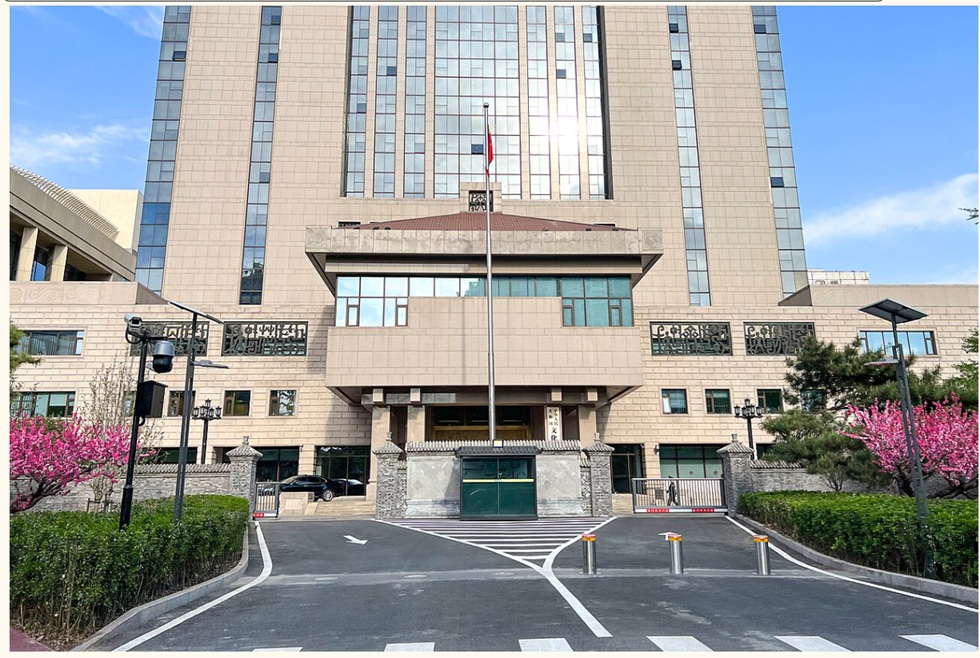
The central Tibet 15th Five Year Plan 2026 through 2030 announces a long list of tourism experiences to be upgraded, including red tourism: “Promoting the Deep Integration and Development of the Cultural and Tourism Industries. Adhere to the principle of shaping tourism through culture and highlighting culture through tourism, emphasizing deep integration, highlighting the ‘distinctive, high-end, and high-quality’ brand, and promoting the construction of important tourist destinations. Continue to develop high-quality scenic spots and famous tourist counties such as ‘Mount Kailash-Lake Manasarovar,’ deepen the construction of cultural tourism corridors such as the Tang-Tibet Ancient Road, the Tea Horse Road, and the National Avenue, accelerate the development of high-quality loops such as the Lhasa Cultural Tourism Loop and the Linzhi [Nyingtri] Ecological Tourism Loop, implement major cultural and tourism projects such as the ’Digital Potala’ cultural and tourism integration innovation zone, cultivate a number of folk villages and cultural and tourism commercial streets, and deepen the strategy of driving development through major cultural industry projects. Strengthen cultural tourism promotion and build a cultural tourism brand matrix under the overarching theme of “Happy Tibet, Tashi Delek”. Vigorously develop the performing arts economy, the forest park economy, the nighttime economy, and the sports event economy; deepen the cultivation of red tourism, study tours, health tourism, and sports tourism; and accelerate the development of more new business formats with Tibetan characteristics and cultural features, such as urban strolls, immersive experiences, and AI-assisted tours.”
HYPERMODERNITY MATED WITH REVOLUTIONARY NOSTALGIA
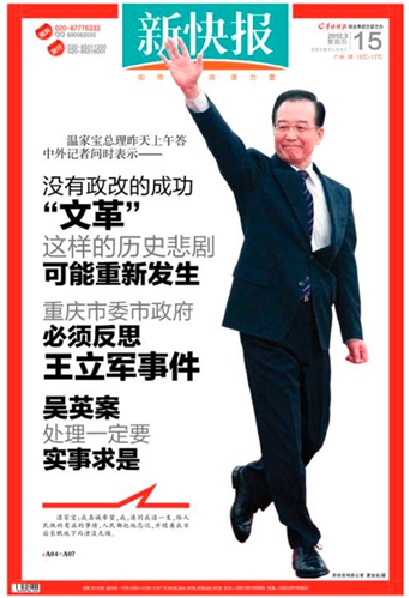
In today’s state capitalism, the state speaks corporate managerial speak. In the 2026 Ministry of Culture and Tourism news reports: “we should integrate red resources with rural revitalisation, cultural and creative industries, and distinctive accommodation and dining options, enabling revolutionary base areas to generate truly sustainable, comprehensive benefits. The key to the development of red tourism lies in shifting from ‘cultural relic preservation’ to ‘value transmission’, and upgrading from ‘single-site development’ to ‘regional coordination’. Through digital empowerment, immersive experiences and community participation, we must transform red culture from ‘static display’ into ‘living transmission’, thereby truly fulfilling the mission of our times: ‘to pass on the red gene well and ensure that the red nation never changes colour’”.
China is simultaneously planning a commercialised, commodified Tibet that is at the forefront of China’s high modernity; while also activating a red tourism nostalgia for the old Tibet, when Communist Youth League zealots volunteered for Tibet work, to drive Tibet into a class warfare revolution, at the point of a gun.
All that is now missing from this strange mix of hypermodern industrial policy and red tourism nostalgia is for the core leader to proclaim, in the manner of Mao: let 1000 flowers bloom, so the core leader can identify who to purge. Ruthless purges, along with campaign style mobilisations, are the ever reliable power tools of today’s core leader.
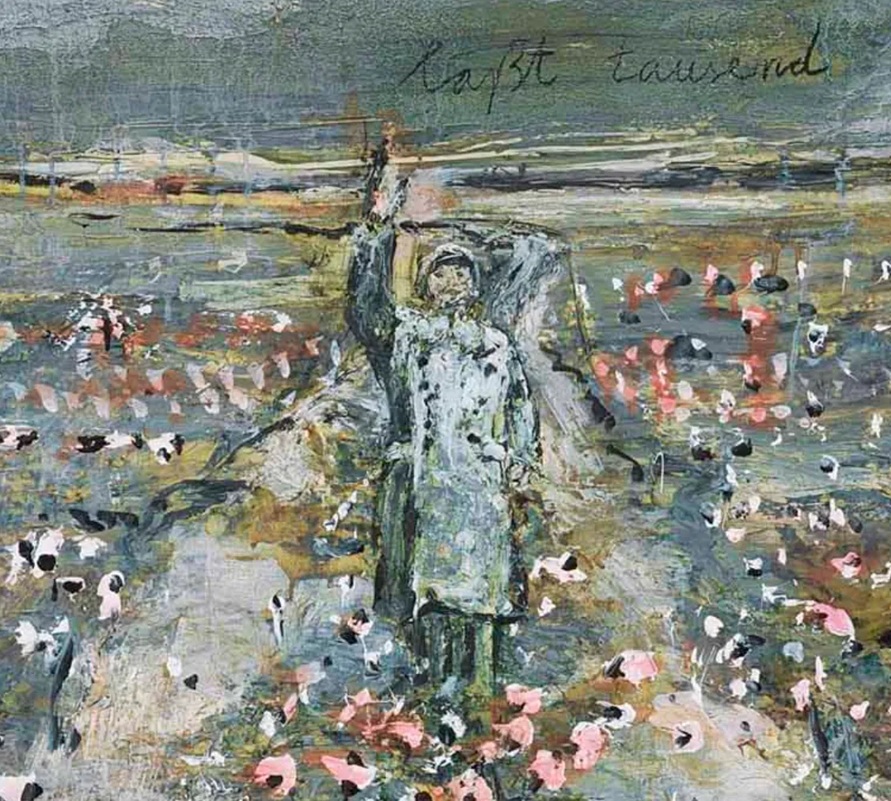
China’s urgency is focussed on Tibet and Xinjiang, as security threats because Tibetans still prefer to be Tibetan. Same goes for the Uighurs.
Let 1000 flowers bloom, let 1036 projects contend, precursor to a next round of purges.
This post by Gabriel Lafitte, helped by Shede Dawa, Tibet Watch
*******************************************
[1] Ding Cuicui丁翠翠, ,博士学位论文 西藏红色旅游可持续发展研究Research on the Sustainable Development of Tibet’s Red Tourism, PhD dissertation Tibet University 2021, 74-75
[2] Chunfeng Lin, Red Tourism in China: Commodification of Propaganda, Routledge 2023, 53-55
Calderón-Fajardo, Future trends in red tourism and communist heritage tourism, Asia Pacific Journal of Tourism Research, (2023)
Dinget al., SWOT analysis and development strategies on Tibet red tourism, Tibetan Studies, 2021